
Category Archives: Mexican Food and Drink

Natural Healing — Chia

Photo credit: Dick Culbert

Before the conquest, chia (Salvia hispanica/Salvia columbariae) was one of Mexico’s basic food sources along with maíz (Zea mays), frijol (Phaseolus vulgaris), and huaútli (Amaranthus). Bernardino de Sahagún recorded in the Historia general de las cosas de Nueva España detaled the production, comercialization, and uses of chia.

Chia was so important to the Aztecs that there are words for the process of making oil from chia (chiamachiua), one who makes the oil (chiamachiuhqui), the process of polishing something with chia oil (chiamauia), one who sells chia oil (chiamanamacac), the process of extracting oil from chia seeds (chiamapatzca), one who extracts oil from chia seeds (chiamapatzcac), chia oil (chiamatl), to become stained with chia oil (chiaua), to describe something greasy (chiauacayo) or oily (chiauac), a marzipan-like paste made from chia seeds (chiancaca), and a place where chia seeds are found (Chiapan modern-day Chiapas). 

The seed was known as chiyantli, chien, chian, chia, or chiantli. A sprig of chia was centzontecomatl. As a verb chiya or chia meant to wait for, in reference to the tedious process of extracting oil from the seeds. Chianzotzolatoli was a drink prepared with toasted maíz and chia.

Pinolatl is a beverage made from maíz and toasted chia seeds. Pinolli was ground chia (or maíz) seeds made into flour now known as pinole. The Purépecha make small tamales made from pinole which are placed on the Día de Muertos alters each year. 

Chia was associated with the diety Chicomecóatl, the feminine aspect of Centéotl. Both were deities of fertility and abundance. Corn, beans, and chia were included in the offerings made during their celebratory months. 

Medicinally, the seeds, roots, leaves, and flowers were used by indigenous groups for skin infections, gastrointestinal ailments, fever, respiratory issues, urinary tract infections, eye diseases, and disorders of the nervous system.

Raw or toasted, chia is added to beverages, soups, oatmeal, yogurt, and salads regularly in Mexico. When the seeds are soaked, they release mucilage which is a gelatin-like liquid.

Chia contains polyunsaturated fatty acids, omega-3, omega-6, dietary fiber, protein, and phytochemicals (compounds found in plants that benefit human health). Regular ingestion has shown to be useful in the treatment of obesity, hypertension, diabetes, cancer, and cardiovascular diseases. It has antioxidant, hypotensive, hypoglycemic, immunostimulatory, and antimicrobial activities. Salvia columbariae has compounds scientists believe can be used to treat strokes due to its anti-blood clotting properties. Chia is also antiatherosclerotic, neuroprotective, hepatoprotective, antidepressant, antianxiety, analgesic, laxative, and anti-inflammatory. 

Conjunctivitis is treated by placing a single seed in the eye. The mucilaginous substance that forms allows the eye to be wiped clean. Raw seeds are chewed as a digestive aid. For a fever, a drink made from limones (Citrus aurantiifolia), sweeted with miel (honey), and chia seeds is prescribed.

***

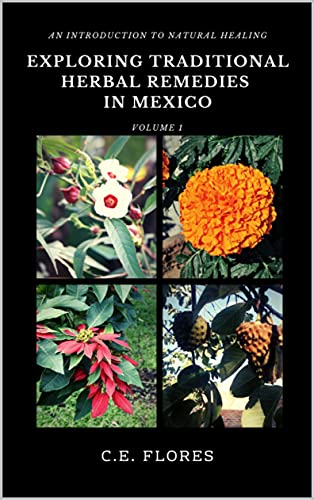
Interested in natural remedies? Uncover herbal remedies from traditional Mexican sources for healing and wellness in the Exploring Traditional Herbal Remedies in Mexico series.
Leave a comment

Filed under Health, Mexican Food and Drink, Native fauna and flora, Natural Healing

Natural Healing — Orégano de Monte

Photo credit: Consultaplantas

Mexican oregano is not oregano (Origanum vulgare) at all. Rather it is part of the lippia genus. More specifically it is Lippia graveolens. It has a similar smell and taste to oregano though its medicinal properties are unique to this species. Orégano de monte is a plant native to Mexico. In Nahuatl, this spice is called ahuiyac-xihuitl which translates to “fragrant savory herb.” In Maya, the plant is xaak-il-ché or xak’il-ché. In the Huasteca language it’s known as ananté. It is also known as orégano cimarrón  or orégano del país.

There are some local names that also refer to other plants in different regions, so care should be taken when identifying the plant. For example, in Puebla, Lippia graveolens is known as salvia. In Coahuila, the same plant is epazote. In certain parts of Oaxaca, this herb is romerillo de monte. Hierba dulce is another common name for this plant which also refers to several other species. Additionally, there are more than 40 species of plants that are called orégano in Mexico. 

Traditionally, orégano de monte is used for indigestion caused by gastrointestinal infections, respiratory issues, intestinal parasites, toothache, diabetes management, and to bring on delayed menstruation. It should not be used during pregnancy. In high doses, it can provoke vomiting. It is also to season meat, pozole, salsa, fish, menudo, and other savory dishes. 

Lippia graveolens has antioxidant, anti-parasitic, anti-inflammatory, antimicrobial, antifungal, anti-viral, anti-bacterial, antibiotic, and anti-glycemic properties. It is useful in the treatment of dyspepsia. It also is effective in reducing anxiety. Orégano de monte has a high concentration of monoterpenes supporting its use in the treatment of respiratory issues. Several studies have shown it is an effective agent against ticks and diseases caused by protozoans such as malaria, trypanosomiasis, and giardiasis.

To eliminate intestinal parasites, add a spoonful of epazote leaves (Dysphania ambrosioides), and a sprig of orégano de monte (Lippia graveolens), tomillo (Thymus), and yerba buena (Mentha spicata) to a cup of boiling water. Drink 3 cups a day on an empty stomach. 

For toothache, moisten a cotton ball in the essential oil and place it on the problem tooth for relief. Make an infusion from the leaves to make a compress for bruises, soreness, and swelling. Simmer a sprig of orégano de monte (Lippia graveolens) and romero (Salvia rosmarinus) in a cup of water. Strain and drink for a gasy stomach. 

Treatment for bilis (liver buildup as a result of anger, hence an anxiety issue) boil one liter of water. Add equal parts albahaca (Ocimum basilicum ‘Cinnamon), estafiate (Artemisia ludoviciana), yerba buena (Mentha spicata), and orégano de monte (Lippia graveolens). Simmer the herbs for 10 minutes. Strain. Drink one cup a day on an empty stomach for nine days. 

***

Want to learn a new way to look at plants? Discover common traditional medicine practiced in Mexico today in the Exploring Traditional Herbal Remedies in Mexico series.

2 Comments

Filed under Health, Mexican Food and Drink, Native fauna and flora, Natural Healing

Natural Healing — Jícama

Photo credit: Judgefloro and Wibowo Djatmiko

Jícama (Pachyrhizus erosus), from the Nahuatl word xicamatl, is a native Mexican plant. From Mexico, it was introduced to the Philippines by the Spanish and then to Southeast Asia. In Mexico, two types of jícama are cultivated. Jícama de agua is turnip-shaped and has a clear, watery juice, while the juice from jícama de leche is spindle-shaped and is milkier.

As with other plants we’ve looked at, its importance in the prehispanic diet is evidenced by the number of Nahuatl words devoted to it. These words include the specific name for the root, catzotl, the verb for planting jícama, cahtzōntōca, and the person who plants jícama,  cahtzōntōquiliā. Other names it is known by in Mexico include chicam and hehenchican. In English, jícama is most often called the Mexican yam bean.

The edible tuber’s fresh leaves, seedpods, and peel contain the toxin rotenone and make an effective insecticide. However, once the leaves dry, they are no longer toxic and often used as livestock feed in Mexico.

If you’ve never had jícama, you are in for a treat. The tuber is crisp and juicy and can be enjoyed raw or cooked. It has a fresh flavor with a hint of cinnamon. It is often added to salads or sprinkled with limón and chile powder. It remains crisp after cooking, making it an excellent substitute for water chestnuts. Starch from the tuber is used in custards. Even the seed pods can be eaten, as long as they are thoroughly cooked.

Jícama plants need nine months of frost-free weather to mature. Once harvested, the tuber will remain fresh for up to four months whole and up to one week after being cut. 

An intestinal purge is made with 40 grams of jícama seed juice drunk morning and night. For wounds, a tincture is made from 100 grams of powdered seeds steeped in ½ liter of alcohol, soaked for three days, strained, then applied as a poultice. An infusion made from the root and seedpods is utilized as a wash for gout and inflammation. 

Not only is jícama refreshing, but it also has excellent nutritional value. Jícama contains iron, magnesium, potassium, manganese, zinc, calcium, and selenium. It also has vitamins C, A, and E.  Additionally, studies have shown it is a good substitute for probiotic drinks.

Studies have shown it to have antioxidant, anticancer, anti-diabetic, anti-osteoporosis, antifungal, antibacterial, and antiviral properties.  It has an immunomodulatory effect. It is considered a preventative food source against the development of diabetes and obesity. The toxic rotenone found in the peel, fresh leaves, and seedpods is an effective insecticide and anti-tumor. Regular ingestion promotes cardiovascular health. The seed extract cause muscles to relax as well as reduces anxiety and aggression. The seeds also show moderate anti-herpes simplex virus (HSV) activity.

Agua de Jícama

  • 4 cups of water
  • ½ cup jugo de limón (Citrus aurantifolia)
  • ½ cup jícama peeled and cut into pieces (Pachyrhizus erosus)

Blend the jícama with the limón juice and water. Sweeten with miel (honey) as desired.

***

Interested in natural remedies? Uncover herbal remedies from traditional Mexican sources for healing and wellness in the Exploring Traditional Herbal Remedies in Mexico series.

Leave a comment

Filed under Health, Mexican Food and Drink, Native fauna and flora, Natural Healing