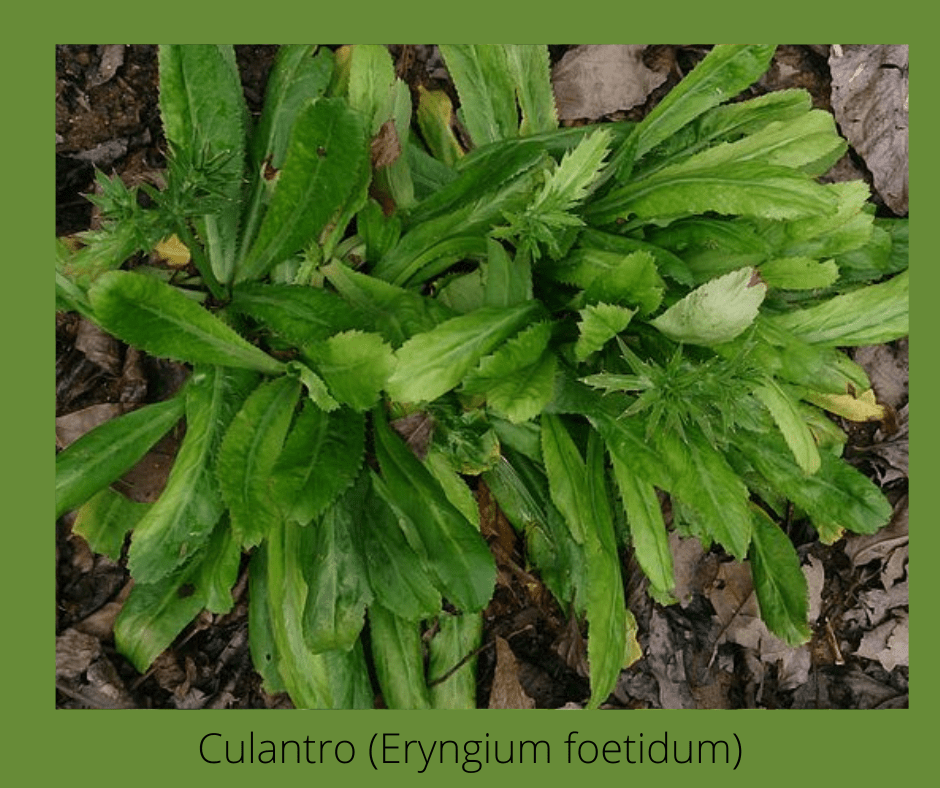
Culantro is also known as cilantro habanero, cilantro de monte, cilantrón, and cilantro camino although it is not related to Coriandrum sativum. Other names include chillangua, culantro coyote, alcapate, escorzonera, tlipotón, samat (with the spelling variant xamat, and spiritweed or Mexican coriander in English.
Although native to tropical Mexico, and Central and South America, this green has become popular worldwide. It can be added as a flavoring or eaten as a vegetable when tender. Chopped fresh leaves are often added to white rice and beans to add flavor.
In general, culantro is used for digestive issues, including diarrhea, dysentery, meteorism (abdominal swelling caused by gas), intestinal parasites, and lack of appetite. It is also used to treat certain gynecological conditions such as amenorrhea and hemorrhaging. In some areas of Mexico, a root infusion is given to speed up delivery or assist in expelling the afterbirth.
As a food source, culantro is high in crude fiber, fat, beta-carotene, and riboflavin. The leaves contain phytosterols and appreciable amounts of iron, zinc, copper, manganese, vanadium, and cobalt.
Color me surprised when I discovered the Maya her Koh-key (also spelled koke’) was good old fashioned sarsaparilla and a Mexican native plant to boot. Zarzaparrilla is the Spanish term for the Nahuatl herb, Mecapàtli, heralded by Nicolás Monardes in his book Joyfull Newes Out of the Newfound World (1574) in two entire chapters. He recorded information about a tonic from zarzaparrilla root drunk three times daily for two weeks to sweat out illness. Unsurprisingly, both the “sweat it out” cure and zarzaparrilla root juice is found in traditional Mexican remedies today.
Other names include kgentsililh in Totonac, t’ocnal ts’aah in Huastec, bejuco de canasta (also Philodendron longirrhizum), olcacatzin, zarza parra, cabrestillo, alambrillo, diente de perro, uarhocutaracu sapichu in Purepecha, and cocolmeca, although this term is more often employed to refer to Dioscorea mexicana.
Although there may be as many as 350 worldwide species of this plant, the word zarzaparrilla generally indicates one of five varieties of Smilax used medicinally in Mexico; Smilax spinosa, Smilax domingensis, Smilax ornata, Smilax aristolochiifolia, Smilax moranensis. The rhizome from these plants is used interchangeably in remedies for stomach problems, menstrual disorders, adult-onset diabetes, syphilis, rheumatism, blood disorders, skin inflammations, and diarrhea.
During childbirth, a decoction made with three fingers of zarzaparilla root and nine thorns from the plant, epazote, sweetened with melipona honey is given to the laboring mother. Although I haven’t seen any studies suggesting zarzaparilla causes uterine contractions, it does have analgesic properties.
As a blood fortifying tonic, an infusion is made with 80 grams of the zarzaparrilla rhizome for each half liter of water. The root should be soaked for at least 12 hours and then boiled in the same water. Drink three cups daily. Smilax aristolochiaefolia has been shown to aid in the formation of blood cellular components in cases of aplastic anemia, while other varieties of Smilax have demonstrated high anti-hemolytic activity, supporting the traditional use as a blood-fortifier.
For rheumatism, two spoonfuls of chopped zarzaparrilla root (Smilax ornata) and three spoonfuls of chopped cola de caballo (Equisetum hyemale) are boiled in one liter of water for ten minutes. The infusion is covered. Strain and drink every two hours. Studies have shown that Smilax ornata contains significant analgesic and anti-inflammatory properties.
Smilax spinosa is an effective treatment for male impotency because of the estrogenic properties it contains. An infusion for male impotency is made from 1 tablespoon of ground zarzaparrilla root in one liter of boiling water. Allow it to cool, strain, and drink three times a day about 30 minutes before meals.
For menopausal symptoms, try traditional cerveza de raíz (root beer). Add 7 grams of zarzaparrilla root (Smilax ornata), 1 finger-sized piece of jengibre (Zingiber officinale) cut into pieces but not peeled, 1 vainilla (vanilla planifolia) beanpod (already opened) or two teaspoons of vanilla extract, and two star anise (Illicium verum) pods to four liters of water and bring it to a boil. Turn down the heat and add seven cups of honey. Stir until it dissolves. Strain and allow it to cool. To serve, add two or three tablespoons to a glass of mineral water. Stir and enjoy.
Smilax domingensis is an estrogen agonists, found to be useful in osteoporosis and breast cancer prevention. Smilax spinosa root demonstrates anti-neoplastic effects against breast cancer cells.
Smilax ornata is used to treat ringworm infections in some areas of Guatemala and Mexico. Studies have shown that it has fungicidal and fungistatic activities supporting this traditional use. Smilax ornata root also exhibits antifungal activity and has been shown to be useful in the treatment of yeast infections.
One syphilis treatment calls for zarzaparrilla root (Smilax aristolochiifolia /Smilax morenensis) and the bark of guayacán de América (Guaiacum sanctum). The two are boiled for two minutes and steeped for 10 minutes before straining. It should be drunk in small doses throughout the day. Smilax spinosa has antioxidative, antibacterial, antiprotozoal, and anti-microbial activities.
As syphilis is a bacterial infection, zarzaparilla’s antibacterial and anti-inflammatory properties are beneficial in treating this and other genital infections.
A daily tonic infusion for adult-onset diabetes is made with 1 liter of water and 2 grams of zarzaparrilla root boiled for 15 minutes. Strain and drink hot or cold. Smilax moranensis is a α-glucosidase inhibitor, Smilax aristolochiifolia has a proven hypoglycemic effect, and Smilax moranensis inhibits hepatic glucose production, supporting the traditional use for the treatment of diabetes type-2.
Smilax aristolochiifolia root has been shown to counteract some symptoms of metabolic syndrome, a cluster of conditions that increase the risk of heart disease, stroke, and diabetes, including high blood pressure, high blood sugar, excess body fat around the waist and abnormal cholesterol levels. Studies have shown that the Smilax species are excellent sources of anti-tumor compounds as well.
El popo is a traditional celebratory beverage that contains zarzaparilla stems found in Veracruz and Oaxaca. It also has pulverized cacao (Theobroma cacao), piloncillo (coned brown sugar), canela (Cinnamomum zeylanicum), anís (Pimpinella anisum), and whole rice.
Bananas were originally cultivated in Southeast Asia. Many historians believe that bishop Vasco de Quiroga brought the first rootstocks to Mexico from Santo Domingo in 1554. In Mexican herbalism, plátanos are considered “cold” and should be avoided in the treatment of “hot” ailments such as dolores de ijar (menstrual cramps).
Plátano cultivation is taken seriously. In Tabasco, Ch’ol farmers are particular about the soil where plátano is grown. The preferred environment is made up of black or sandy soils. Musa paradisiaca, a type of plantain, is the variety whose leaves are used in tamale preparation, and the fruit is typically boiled or deep-fried before serving.
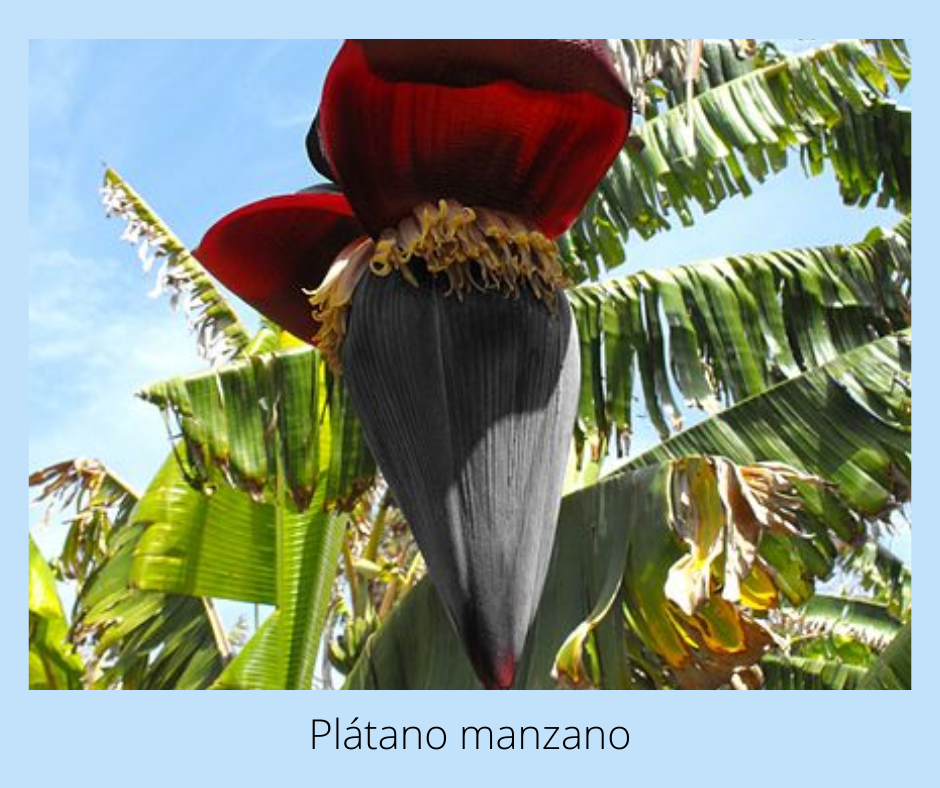
The air-dried leaves and cluster stems of the plátano manzano, known as Ja’as in Mayan, are used in remedies for tuberculosis (peste blanca). Studies have shown that the Musa acuminata variety at least presents antimycobacterial activity supporting its use in TB treatments. In some areas, a poultice is made from mashed, ripe bananas and applied to the back and chest of a person with pneumonia.
You might remember that when Joey impaled himself on the fence, the vet mushed an entire banana into the wound to aid in recovery. Well, seems there is something to that after all.
Plátano peels are used to promote wound healing. For external skin infections, a still-green peel is set out to dry and then wrapped on the wound area as a poultice. For dry skin, a mask or poultice is made from the fruit. For itchy mosquito bites, the underside of the peel is rubbed on the skin. Other common uses include as an aid to treat constipation, urinary tract infections, breathing difficulties, and nervous system ailments.
A concoction for alcoholics involves boiling coconut water from two coconuts (Cocos nucifera) in a new clay pot and the peels from five plátanos. Add piloncillo and steep it all for three days. Every morning for nine consecutive days, this drink is served with a dash of alcohol to discourage overindulgence.
A tea made for insomnia is made by boiling one plátano (with peel) and canela stick (Cinnamomum zeylanicum) for 15 minutes in a liter of water. Strain and add miel (honey) to taste.
Thus, it should come as no surprise that plátanos are an excellent addition to a healthy diet. The antioxidants found in this sweet fruit show promise in the treatment of Parkinson’s disease. Its dopamine content reduces the severity of depression. It’s also antimicrobial, antibacterial, and antifungal. Regular ingestion has shown to be cell-protective, providing an anti-cancer effect. Banana starch as part of a regular diet promotes healthyweight loss. More specifically, the variety musa sapientum has been found to be anti-hyperglycemic.




 Surviving Mexico
_7.jpg)

