Category Archives: Homesteading

Chim Chimney

Do you ever think that maybe some skills should not be lost through the generations? I’m all for forward progress and all, but really, what if we find out that (for example) eating GMO food causes cancer and we want to go back to organic farming. Nowadays, even the farmers seem to have forgotten how to go that route.

Another useful skill that has been lost is how to build a fireplace and chimney. Not so long ago, people would build their own houses around a central hearth, so somebody in the village knew how to make chimneys, probably a good many somebodies. Why hasn’t that skill been preserved?
fireplace

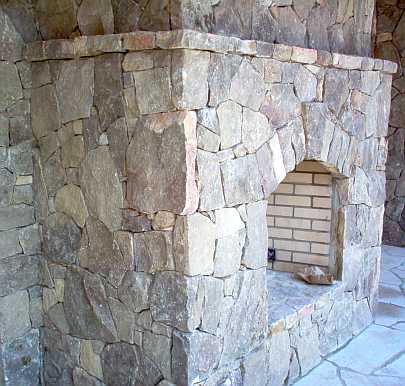
An outdoor fireplace my husband built in the States back when we had a different life.

As you probably know, we have a fireplace and chimney. My husband built it himself. Nobody else in La Yacata has one. The few people in nearby Moroleon that have one don’t use them because the smoke comes back in. My husband seems to be the lone chimney maker hereabouts, but nobody seems interested in having one installed. Why? Electric heaters. Gas heaters. Hot air electric heaters. Space heaters. All of which were totally inefficient and impractical for us so the fireplace was the way to go.

Is it difficult to build a chimney? No more than any other type of building I suspect, although every site that gives directions on how to build one tells you it just might burn your house down. What a bunch of pessimists! Our house is made of brick, stone and cement so it would take quite a fire to completely destroy it.

We didn’t have a fireplace in mind when we build our house, but after the first winter, we decided it would be a great addition. It does get cold here in Mexico, not so cold as say, Canada, but cold enough for a roaring fire to be just the thing some days.
IM000119.JPG

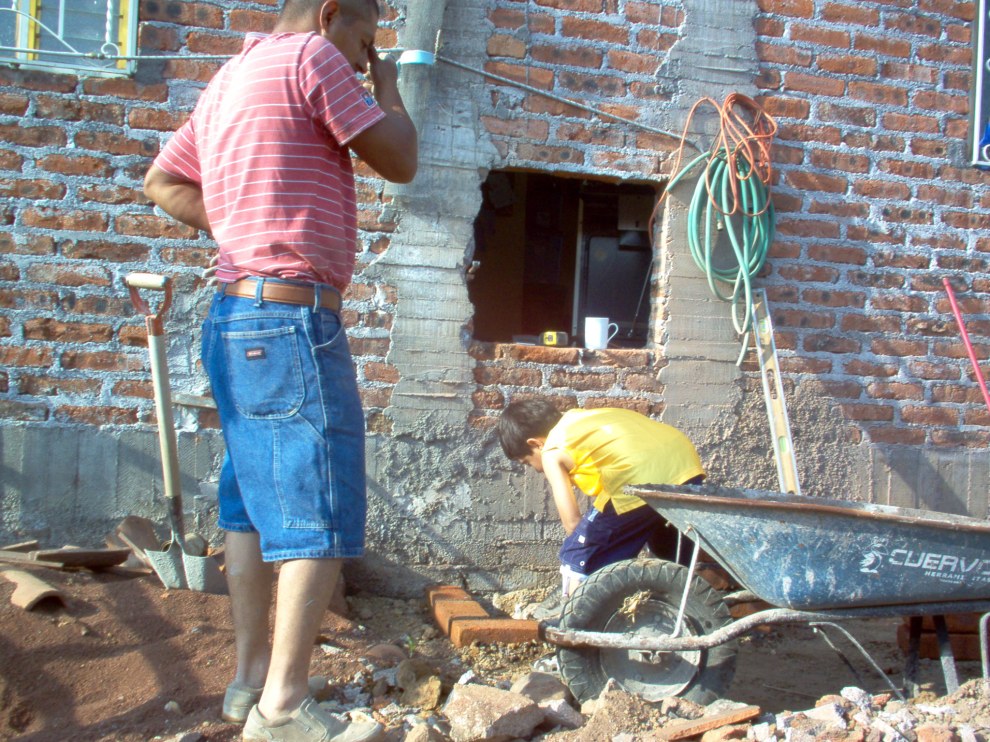
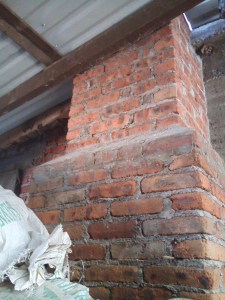
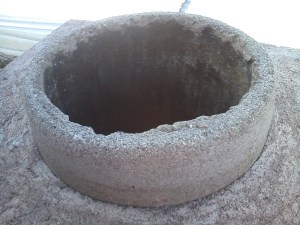
So since the chimney wasn’t in our design, the first step was to make a hole in the kitchen wall. My husband started from the ground and made the first section. About halfway up the first section is where the actual fireplace is on the inside of the house. He used cement sewer pipes that are readily available here in Mexico for the inside tube of the chimney, cementing it in place with a round of bricks.
cam04247.jpgcam04250.jpg

The second section up has a smaller cement sewer pipe so the outer wall is not as big. He is planning on going up another floor because our second floor now has a roof and may be inhabited one day. Therefore, the third section will have another yet smaller cement sewer pipe and smaller surrounding brickwork, to be topped off with some sort of little roof so that the rain doesn’t get in and drown out our fire.
cam04245.jpg

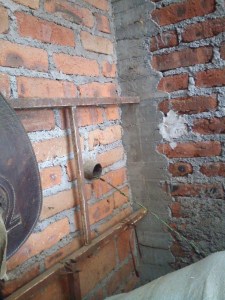
Ignore the wire, it’s not part of the chimney.  We run a wire from our DVD player to the car battery out the hole when we want to watch movies.  Obviously not when we are using the fireplace!

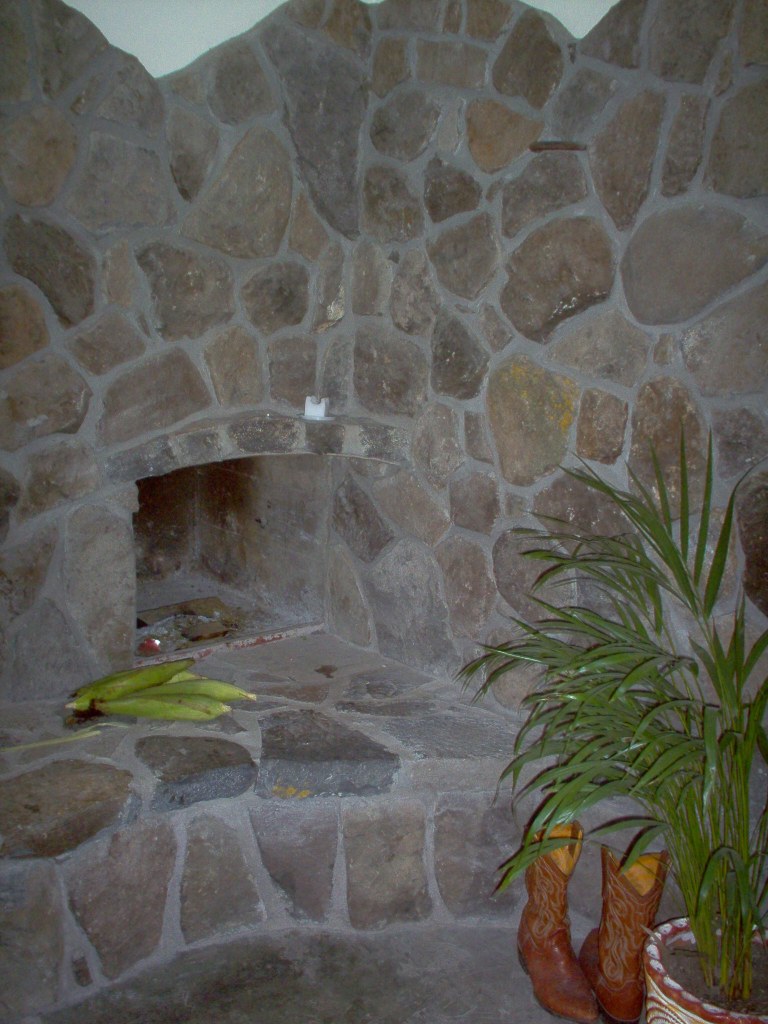
The hearth has an air hole that he made from a car tailpipe. It’s about 8-10 inches from the floor of the hearth and the purpose is to allow the air to circulate and go UP the chimney rather than back into the room. Seems those chimney builders in Moroleon neglected this little step giving fireplaces such a bad rep around here.
fireplace

Our toasty fireplace

My husband finished it off with a seating area made from stones we plucked from our backyard. It’s lovely!

For fuel, we use dead mesquite branches we collect from around La Yacata. We can also use corn cobs (with the corn already removed of course). The fire burns faster with the corn cobs but most years we have plenty to keep it going. We could also use poop. Yep, dried cow patties or horse poop burns a long, long time. We don’t light our fire often enough to use up the mesquite branches or the corn cobs, so we haven’t had to go out and collect dung to burn yet, but hey, just in case, it is certainly good to know.

I’m sure that I’ve made it seem simpler than it actually was. There are measurements and bricklaying and figuring involved after all. It took about a week of work too. But it isn’t such an impossible task as one might think.

*************************************************

disclosure

9 Comments

Filed under Construction, Homesteading

New kids on the block

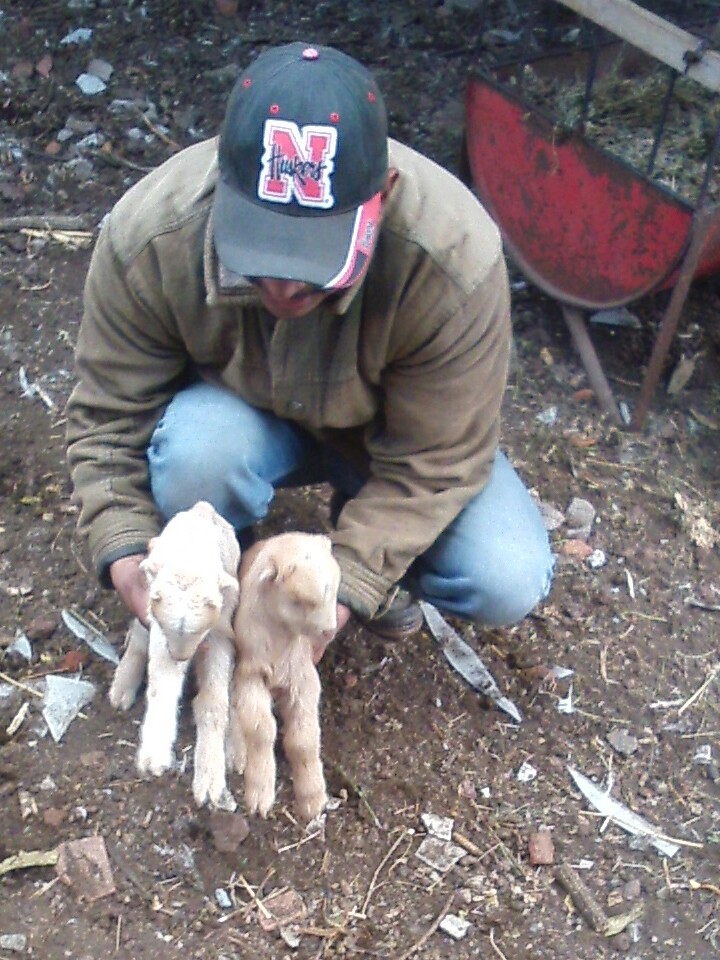
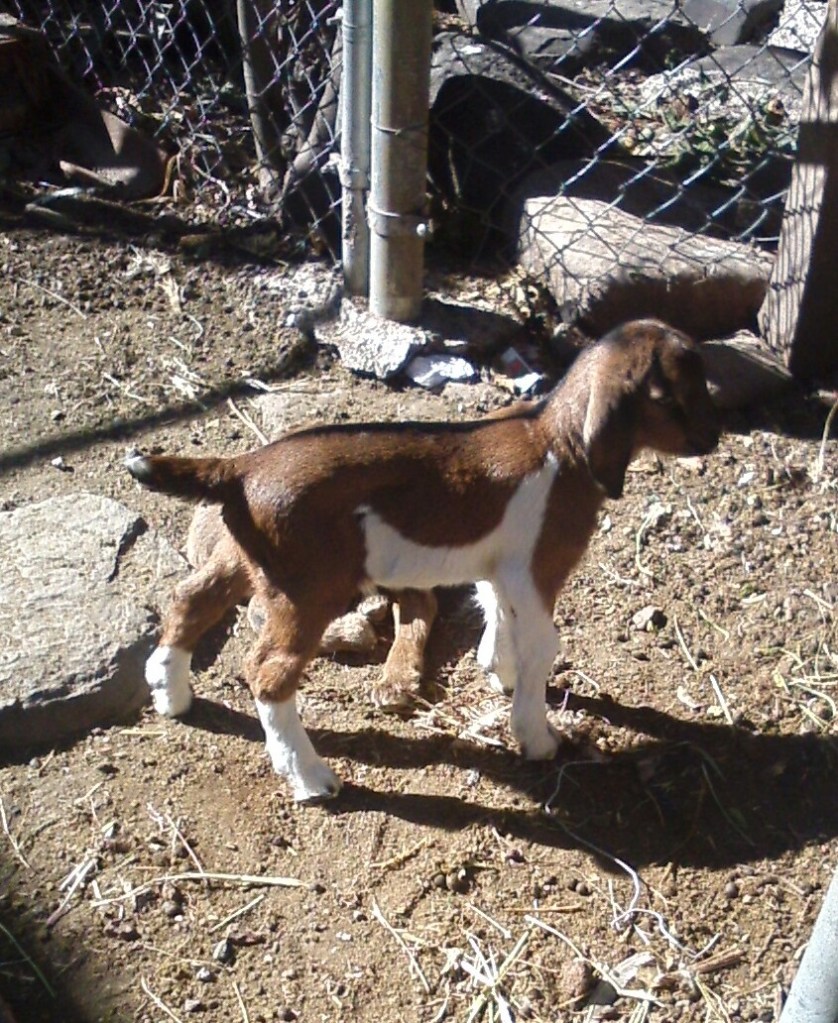
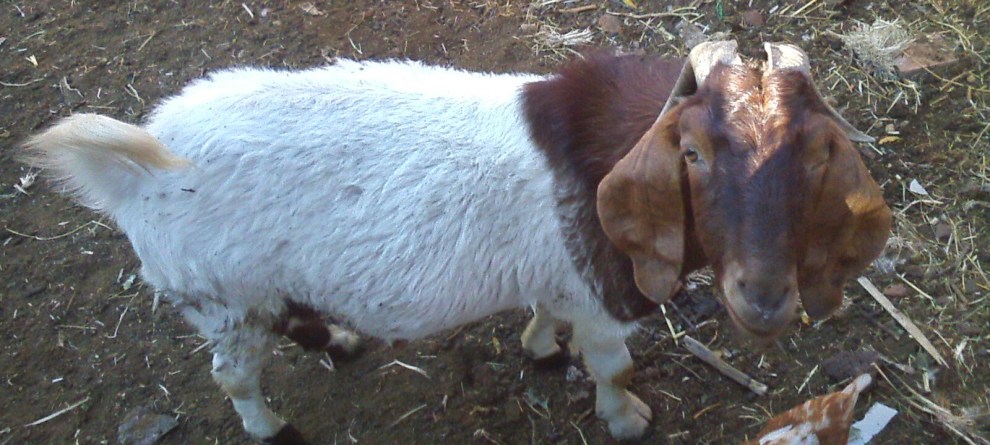
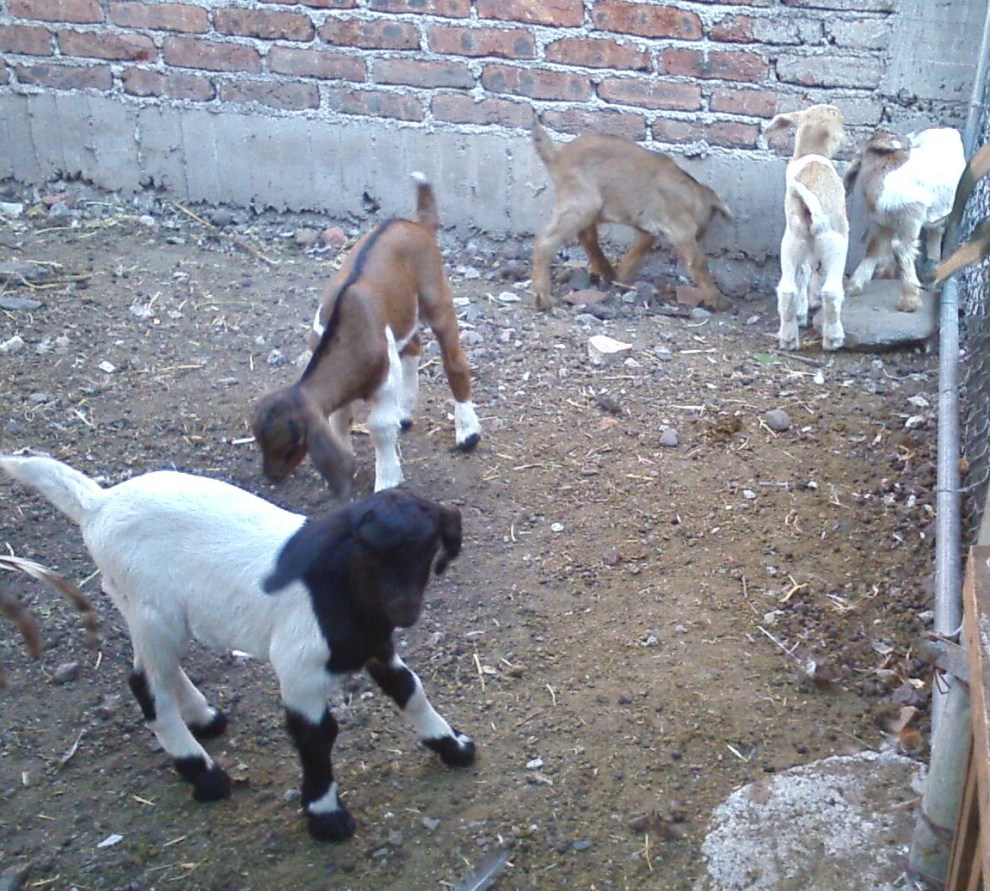
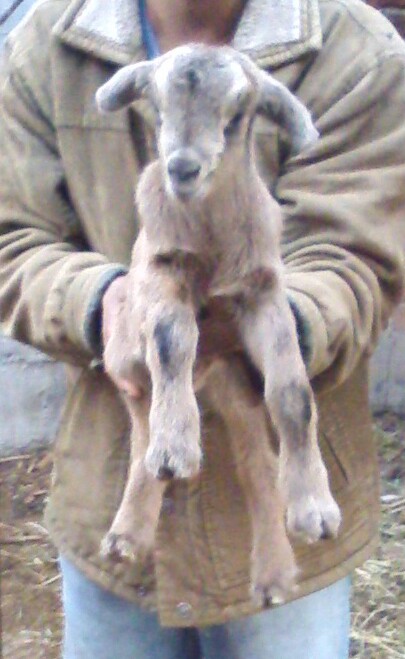
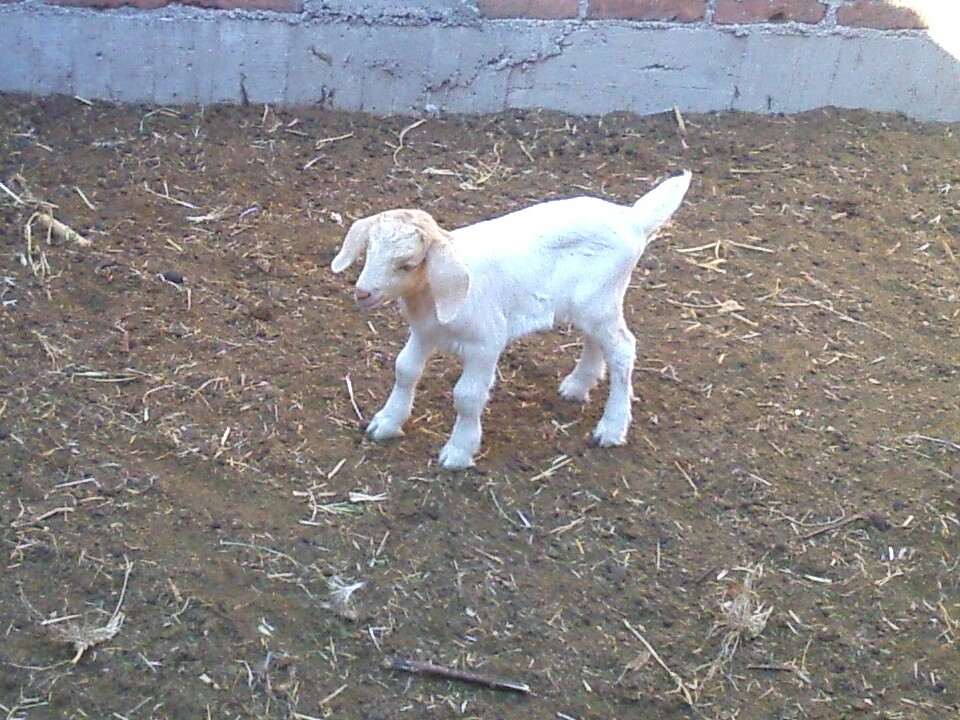
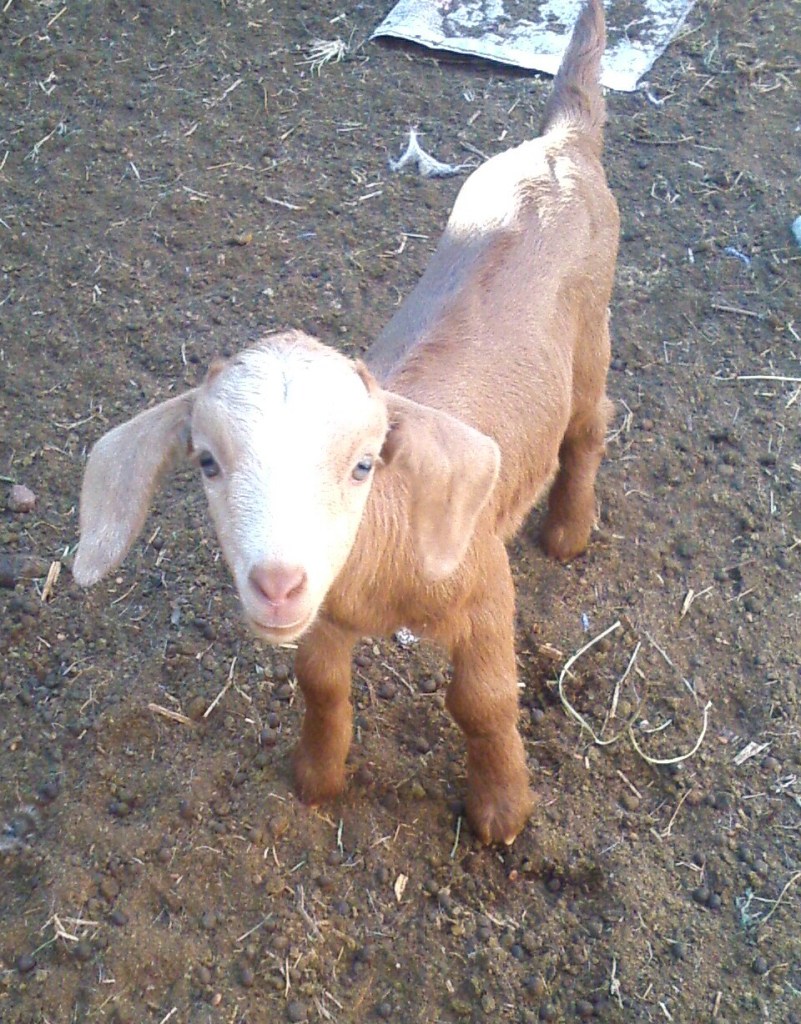
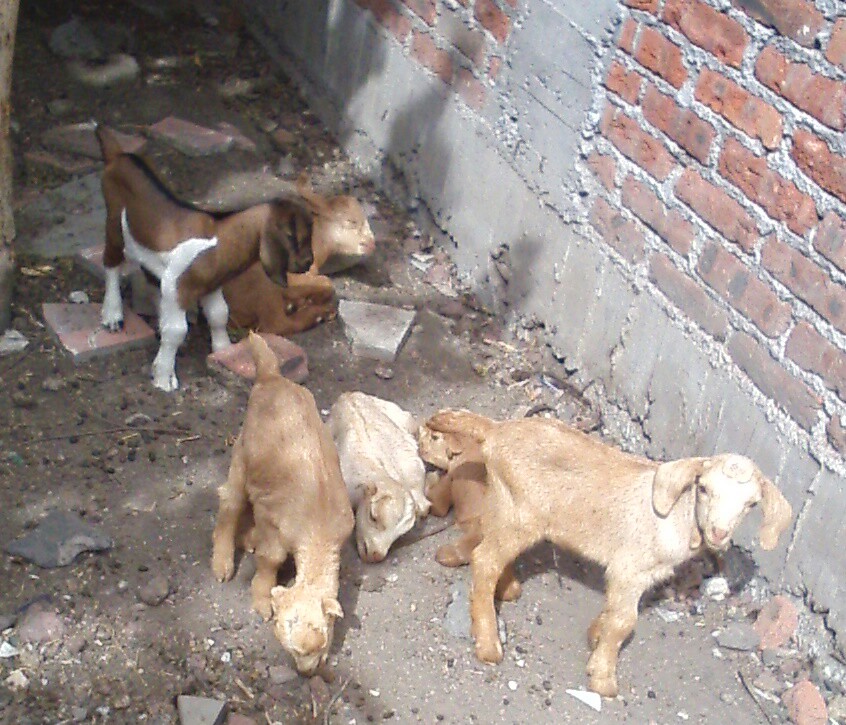
Our last chiva (goat) finally gave birth this week, and it is with pride that I announce our new kids’ arrivals. We have all sorts of genetic diversity this year. Jason Boer is the daddy to all, but the mommies are rather distinct, giving us a good mix. As a result, we have kids with little bitty ears, some with long ears and others with long, floppy ears. We have kids with campanitas (skin tags under the chin that look like bells) and kids without. We have white, brown, black and a variety of color combinations of the three. We have twins and singletons.

cam04172-1.jpg

Los bandidos short ears, Carl and Mel.

In all, 14 kids were born during a month-long birthing extravaganza. The first chiva, Caramela, had twins. She was nearly a week ahead of the other goats because Joey had knocked her over when he was misbehaving, and the fall brought on an early labor. Both male kids, Carl and Mel, were fine, just a little small. We call them los bandidos (the bandits) collectively since we can’t tell the two apart.

cam04206-1.jpg

Junior

cam04257-1.jpg

Jason Boer

Shortie had an enormous male kid that is the spitting image of dear old dad, only with more brown. We’ve named him Junior. Moya (Blackie) had a huge female kid that is just like Jason Boer but in black and white, like a cow. We’ve named her Bessie.

cam04267-1.jpg

Front to back–Bessie, Junior, Clyde, No name royalty, Spot

Queenie presented us with twins, a boy with campanitas and a girl without. No surprise there. Queenie is pretty predictable with her twin births. The boy seems to have something wrong with his front leg. It appears to be slightly longer than the other one, so he walks and jumps and runs with a limp. It hasn’t had much effect on his mobility though and certainly not his sunny disposition. We have yet to come up with fitting royal names for these two. We’ve already used Duke/Duchess, Lord/Lady, Prince/Princess, King/Queen combinations. Any suggestions?

cam04194-1.jpg

Coon

Princess had some difficulty. This is her second baby, so we thought she would have less problems however, her baby boy’s head was too large to exit the birth canal unassisted. He’s got a striped tail like a raccoon, so he’s called Coon. He really is monstrous in size.

Princess’s daughter, Princesita surprised us by being pregnant as well. Well, like mother like daughter I suppose. Princess had Princesita when she was less than a year old, so Princesita started in early too. Her little guy, Whitey, is on the small side and tires easily, but otherwise healthy. Junior has taken the role of trainer upon himself and hustles Whitey around the corral to build up his strength and endurance.

cam04265-1.jpg

Bunny

cam04213-1.jpg

Brownie

La hija de Queenie (Queenie’s Daughter, she never did get a proper name) had a fluffy little girl Bunny. Brownie cloned herself and birthed Brownie 2. She’s become best buddies with Bunny.

cam04186-1.jpg

Venada had twins, a boy and a girl. The boy has campanitas and girl doesn’t. These are the second set of los bandidos, Bonnie and Clyde. They are darker brown with floppy ears and like to play Olé with Bunny’s mom. She doesn’t want her daughter playing with the roughnecks and chases them away. Los bandidos think it’s great fun!

Nanny goat was the last to have her babies. She also had twins, a boy and a girl, Spot and Mancha. Mancha was positioned foot first, so delivery was assisted. Good thing my husband was home to lend a hand. They are bigger than all the other kids, but seem a little slow on the uptake, being so much younger.

Right now, when the parents are taken to pasture, the babies stay in the corral. It gives the moms a well-deserved break and allows them to eat without trying to keep track of offspring. The kids love “recess” time and play tag, hide and seek, butt heads, Ring around the Rosie and even tap-dance on an old chest lid. Of course, they all start to holler when the milk trucks come home.

With so many new residents, my husband had to make a new feeding trough. The new trough has become quite the place for our new kids to show their WWF Wrestling skills!

We did get way more machos (boys) than hembras (girls) in this batch. All 5 girls will be kept without question. The 9 boys will be traded or sold as they get bigger. My husband wants to hang on to Junior, Coon, and Spot–but I don’t see how that will be possible. One macho per herd is plenty. Guess we’ll just see what happens.

********************

 A complete Herbal Starter Kit by Herbal Academy

disclosure

1 Comment

Filed under Animal Husbandry, Homesteading

There is still no electricity in La Yacata

There is still no electricity in La Yacata

The electric post

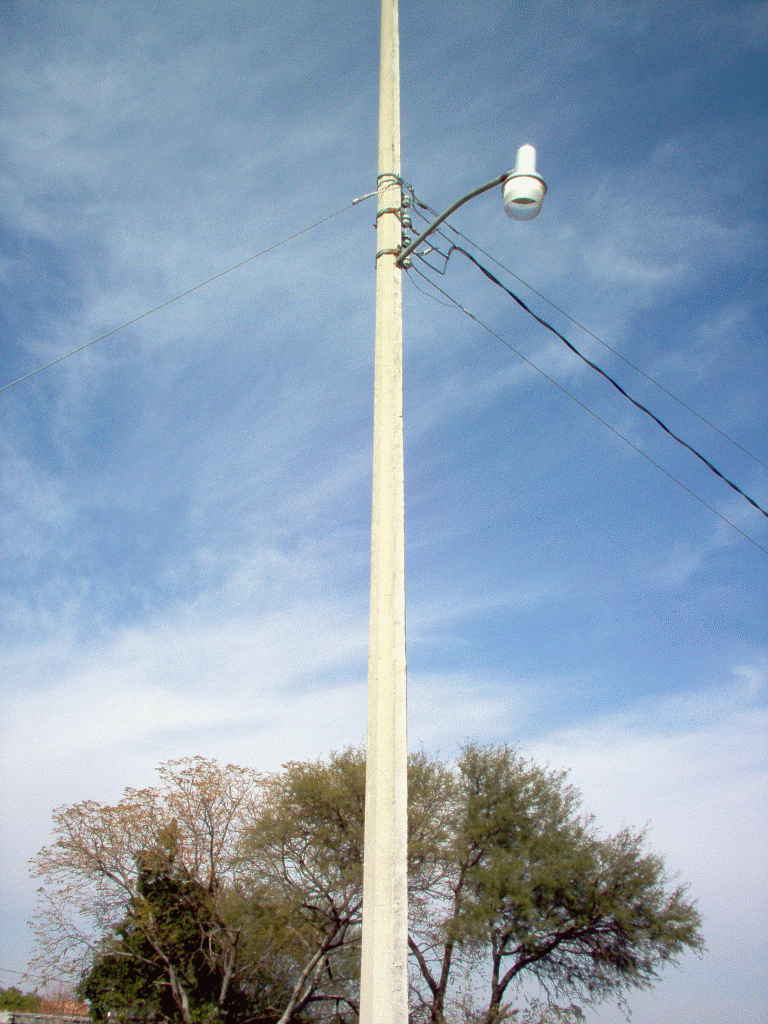
This is the electric post that convinced us to buy in La Yacata instead of someplace else. It stands smack dab in front of the house and has provided not one bit of electricity to our house in the 10 years we have lived here.

I have been down and out lately about the distance we still must cross for electricity in La Yacata. I’ve pretty much given up hope of Moroleon completing the 2 kilometers of posts and wires that would illuminate our streets and our home. Yes, you read that correctly. TWO kilometers separates us from the last viable electric post. It’s just not profitable enough for Moroleon to care that residents in La Yacata have no electricity. (See The Birth of the Revolution)

With the advent of adolescence and the plethora of electronic devices available, my son has also expressed his frustration with the lack of connectivity and recharging options. It goes without saying that no electricity means no home internet either.

My husband seems the only one untroubled by our lack. He uses the truck radio when he wants music and that’s pretty much all he wants. As a result, he’s been less than enthusiastic about my ideas.

the boy who harnessed the wind

My brother sent me The Boy Who Harnessed the Wind: Creating Currents of Electricity and Hope (P.S.)some time ago, as inspiration I expect. In it, a 14-year-old boy designed and built a windmill that positively changed the quality of life for his entire village. My husband and the plomero (plumber) up the hill have been promising me a windmill for nearly 10 years now. Every time I bring up other options, my husband counters with the statement that he’s going to make that windmill any day now.

Until that windmill gets built, I’ve been trying to do alternative research on my own. Every prepper website has directions for a DIY solar generator set-up. Well, I’ve come to the sad conclusion that I just can’t do it myself. One issue is my lack of electrical know-how. Of course, there is the plomero (plumber) up the hill who was also a US licensed electrician before deportation. However, he’s not all that reliable these days. His wife left him a few months ago and he’s been on a drinking binge ever since.

Solar water heaters are readily available in our area, but just won't work for us.

Solar water heaters are readily available in our area but just won’t work for us.

Even if we could catch the plomero between binges, there is the lack of materials available in our area. Solar water heaters are readily available–but nothing in the way of solar generators. We do not want a solar water heater because it’s just not feasible for our home setup. In order to have a solar water heater, we would need to elevate the tinacos (water storage containers) at least a floor. However, the local water truck refuses to fill tinacos (water storage containers) that are above the second floor. They say it’s “policy” although I suspect more laziness since the trucks are new and the water shoots out super powered and the pipes would reach…but I’m not in charge of policy. So our tinacos are on the roof of the first floor, which is technically the second floor. And even if we put the tinacos on the roof of the second floor, I would still count it as being on the second floor and not on the non-existing third floor but the water truck dudes disagree. So until such time as policy changes, we use a gas boiler to heat our shower water. Our stove is also gas, so we can cook just dandy without electricity as well.

water delivery

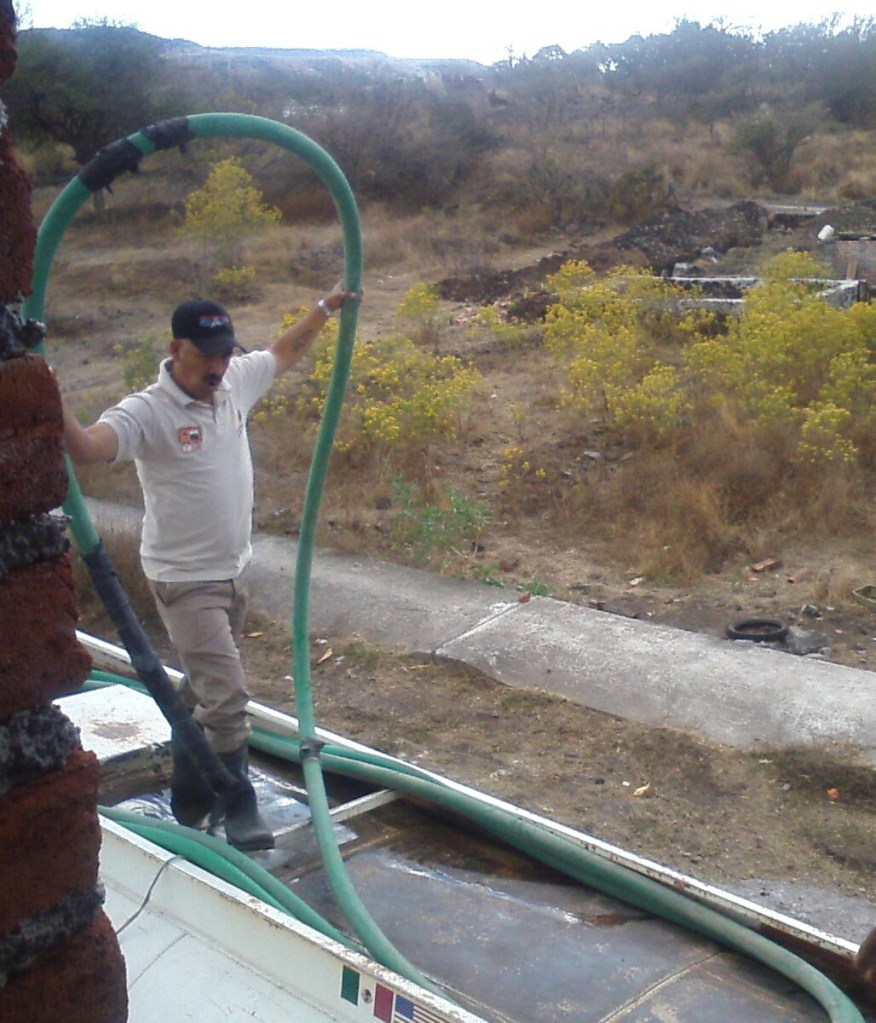
The truck pulls in front of our house and we run a house from the truck to the aljibe and tinacos.

Lacking local solar generator parts options, I tried my hand online. Amazon and Ebay offer kits that we could possibly afford if we sold Myrtle (the vocho) and saved another 6 months, not including shipping. Yet again, there are issues. I will not order from Ebay again and Amazon does not accept Paypal payments.

I even tried contacting a few people that might be “in the know” about such things, but I have yet to hear back from any of them.

This is what I think we need.

This is what I think we need.

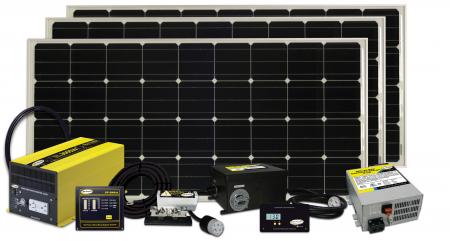
What I think we’d be good with is this setup, Go Power! Solar Extreme Complete Solar and Inverter System with 480 Watts of SolarHowever, being a newbie means–well that I don’t know if this would be adequate or not.

So for the present, the dream of electricity is just that, a dream. We’ve lived nearly 10 years without it, and realistically in the grand scheme of human history, electricity has only been available to the masses for the blink of an eye, so do we really need it?

Well, yes and no I suppose.

If we had electricity we could recharge our phones, Kindle, portable DVD players and laptops at home. Right now we haul the rechargeables to the school where I work and charge there. We also have the option of plugging the devices into the lighter in the truck or Myrtle, but we have found that overuse of this option is hard on the vehicle batteries.

If we had electricity we could use the blender–but we use the blender now with the AC/DC inverter and the truck battery.

We could turn the lights on and cook now since it gets dark at such an indecent hour with daylight savings time and all. Now we use candles.

The Kindle is an older version that doesn’t have a backlight like this one Kindle–it’d be nice to not read by candlelight and just flick on the bedside lamp.

drumiI

Drumil, the foot-powered clothes washer by

If we had electricity we could use a washer for our dirty clothes. Right now we head to the arroyo (stream) and wash there. Although we may not need electricity for a washer. Yirego is advertising pre-sale for their foot-powered washing machine. Of course, at $239 USD it’s still out of our financial grasp, but perhaps the price will come down in time.

It’s doubtful that even if we had electricity we would use it for a fridge. We’ve become so accustomed to buying fresh meat and produce, in daily portion sizes, that we have very little left over at the end of the day. Anything that won’t be good for the next day, we share out with our chickens, cats, and dog.

We also aren’t much bothered by not having a television. There’s never anything good on anyway. We do like to watch movies but are just fine with our little portable (and rechargeable) DVD player. Unfortunately, our DVD player battery will not charge anymore. Finding parts (in this case a replacement battery) is a nightmare here and buying online with shipping is iffy at best. We recently purchased another DVD player and it’s fine for now, but eventually, the battery will wear out as well. The same issue crops up with my laptop. My battery doesn’t hold a charge. I use it only at my place of work. My son’s laptop is new, so charging and taking it home works just fine, although there is no internet at home. Of course, transporting it might not be an option during the rainy season.

So I suppose I should be more lackadaisical like my husband. Living without electricity is entirely possible, we’ve been doing it for quite some time now. And why should I expect the luxury of electricity and all that it entails when 1 in 7 worldwide lives without access to electricity? For now, it remains a wish, hope, a goal or something along those lines.

***********************************************

disclosure

20 Comments

Filed under Construction, Electricity issues, Homesteading, La Yacata Revolution, Water issues