Category Archives: Health

New Herb Book

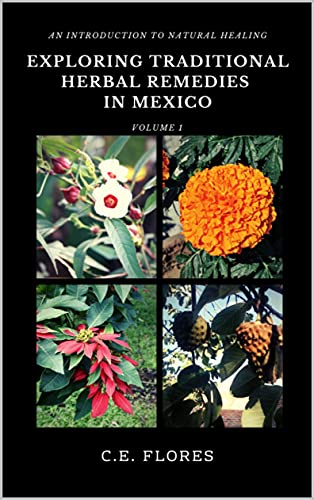
I’m delighted to announce Exploring Traditional Herbal Remedies in Mexico Volume 3: Native and Naturalized Plant Use is now available on Amazon! 

As you may already know, Mexican herbalism is a mix of native plant use and European herbology brought by the Spaniards. However, there is a tendency among herbalists to focus more on the plants they are familiar with, which are often European in origin, and ignore plants native to Mexico. 

In Exploring Traditional Herbal Remedies in Mexico Volume 3: Native and Naturalized Plant Use you’ll learn more about: 

  • 30 native and naturalized plants used in Mexican herbalism
  • Scientific evidence that supports or contradicts traditional use
  • Botanical, local, and common names for each plant to aid in positive plant identification

If you’re curious about the effectiveness of herbal remedies then get your copy of Exploring Traditional Herbal Remedies in Mexico Volume 3: Native and Naturalized Plant Use and delve into the science of plants for well-being.

***

Interested in natural remedies? Uncover herbal remedies from traditional Mexican sources for healing and wellness in the Exploring Traditional Herbal Remedies in Mexico series.

Leave a comment

Filed under Health, Native fauna and flora, Natural Healing

Natural Healing — Epazote

Dysphania ambrosioides Photo credit: Forest and Kim Starr

I had been reluctant to investigate the medicinal properties of epazote (Chenopodium Ambrosioides) simply because it’s touted as the “miracle weed/herb” in a lot of Mexican herb forums. I know, a bit prejudicial on my part. So, in an effort to provide impartial research, today I’m going to share what I learned when I finally took up the gauntlet. 

Epazote, native to Mexico, was formally classified under the name Chenopodium ambrosioides but has since been reclassified as Dysphania ambrosioides. Other names include Jesuit’s tea, payqu, mastruz, quinoa, and herba Santa Maria. Alternative spellings in Mexico for epazote include epasote, ipazote, and pazote. In Maya, it is known as lukum-xiu. In Purhépecha it is cuatzitish-atcingo. In otomí it’s gail, and in the state of Puebla, it is known as Alskini. The name epazote comes from the Nahuatl, epazotl, which means stinky. It does have a strong aroma, in case you were wondering.

In Mexico, epazote is most often used for parasites, stomachache, menstrual cramp relief, increase lactation, and in the treatment of bites or stings. It’s also a common flavoring for beans, menudo, chilate, chile atole, chilaquiles, and quesadillas.

For stomach pain, a leaf infusion is prepared either with water or milk. For menstrual issues, it is combined with ruda (Ruta graveolens), zoapatle (Montanoa tomentosa), or cabellos de elote (corn silk). To treat bites and stings, the chopped leaves are added to tobacco leaves and placed over the wound as a poultice. To expel parasites, 20 to 60 grams of the chopped herb is added to an infusion of milk and garlic and allowed to steep overnight and drunk for 9 days before breakfast. While undergoing parasite treatment, the afflicted should not eat pork or chile according to common belief. 

Atole blanco con epazote is prescribed for individuals suffering from “espanto” (anxiety). It is drunk for 9 mornings. In the event of extreme anxiety, a cup can also be had in the afternoon. 

Epazote has a vasorelaxant effect. It has antioxidant, antibacterial, antifungal, antiparasitic, antimicrobial, anti-biofilm, anti-malarial, and anti-inflammatory properties. It also is effective in the treatment of the central nervous system and sleep disorders. It stimulates the immune system and provides pain relief. Regular use prevents bone loss. Topical use stimulates wound closure and bone healing.

Note: Long-term use of this plant should be avoided as it can be toxic. It also should be avoided during pregnancy.

Epazote Tea

5 grams of epazote stems and leaves (Dysphania ambrosioides)

Boil ½ liter of water. Add the epazote. Allow it to steep for 10 minutes. Strain and serve. Drink one cup before breakfast for 2 or 3 days for indigestion.

***

Interested in discovering a path to wellness through traditional medicine? Discover Mexican herbalism with common remedies used today in the Exploring Traditional Herbal Remedies in Mexico series.

1 Comment

Filed under Health, Native fauna and flora, Natural Healing

Natural Healing — Zacate Limón

Cymbopogon citratus Photo credit: Judgefloro

Zacate limón (Cymbopogon citratus) is also known as té de limón, limoncillo, limonaria, hierba de limón, cedrón pasto, pasto de limón and lemongrass. It’s uncertain when zacate limón arrived in Mexico. Some sources claim that Francisco Hernández mentions it in his book about Mexican indigenous remedies. However, I was unable to verify that. The word zacate comes from the Nahuatl term zacatl which means grass. Since limónes aren’t native to Mexico and weren’t found in the country until after the Spanish conquest, it’s not a term that is found in Nahuatl and none of the zacatl terms in Hernández’s writings match the description of zacate limón. Therefore, it’s probable that zacate limón is another herb brought by the Spanish friars. 

Zacate limón has antiamoebic, antibacterial, antidiarrheal, antifungal, antimalarial, anti-inflammatory, antiparasitic, antibiofilm, antimutagenic, anticancer, antitumor, and antimycobacterial properties. It also contains antioxidants and functions as a neuroprotective and vasorelaxant agent. It is an effective botanical insecticide as well.

Traditionally, zacate limón is used to lower blood pressure, reduce muscle pain and migraines, treat colds, fungal infections, and diarrhea. A daily decoction of zacate limón after meals or before breakfast with milk is prescribed for stomach ailments. For nausea and vomiting, an infusion is made combining zacate limón and yerba buena (Mentha spicata). To lower blood pressure, three cups of a zacata limón are recommended.  A compress can be made by boiling entire leaves and then applying it to infected areas. Some areas also use the dried leaves or the root as a tooth whitener. For a refreshing summer drink, combine leaves from orange (Citrus × aurantium) or lime (Citrus aurantifolia) trees and zacate limón. The section of grass closest to the root will give you the best flavor.

Zacate Limón and Jengibre Energy Drink

  • 2 tablespoons grated jengibre root (Zingiber officinale) 
  • 2 chopped full stems of zacate limón (Cymbopogon citratus)
  • 3-5 flores de naranjo (Citrus × aurantium)
  • 1 teaspoon yerba buena (Mentha spicata)

Add the ingredients to two cups of boiling water. Allow it to steep for 10 minutes. Strain. Add miel (honey) if desired. Serve hot or cold.

***

Looking for practical plant remedies for common ailments? Find the benefits of over 60 traditional Mexican treatments for health and wellbeing in the Exploring Traditional Herbal Remedies in Mexico series.

2 Comments

Filed under Health, Natural Healing