Category Archives: Health

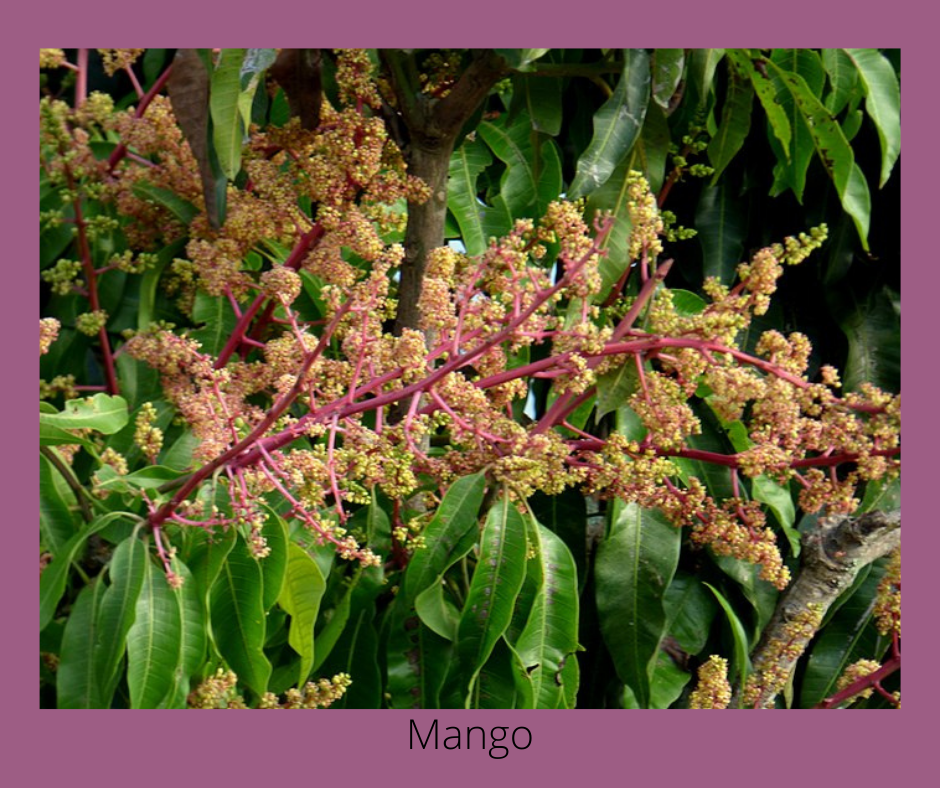
Natural Healing — Mango

Photo credit: Alejandro Bayer Tamayo

Believe it or not, the mango (Mangifera indica) is not indigenous to Mexico. Rather it originated in India more than 4,000 years ago. Mangoes were directly introduced to Mexico from the Philippines by the Spanish during the 16th century; however, cultivation did not begin in Mexico until the late 18th/early 19th century.

The Ataulfo mango is a hybrid first cultivated in Soconusco, Chiapas. It was named for Ataulfo Morales Gordillo, the owner of the area where the hybrid was first studied and thought to have developed. In 2003, this variety was declared of Mexican origin with La Declaratoria de Protección a la Denominación de Origen del Mango. It is believed to be a descendant of mangoes introduced from the Philippines before 1779 via the Manila-Acapulco galleon trade route. The Ataulfo mango is oblong-shaped with golden yellow skin that is not fibrous. The pit is thinner than other mango varieties, and they weigh between 6 and 10 ounces. 

Traditionally, an infusion from mango leaves is prescribed in Mexico for diabetes. It is prepared with eight fresh leaves in 1 liter of water, boiled for 5 minutes, and drunk lukewarm. A stronger infusion is made for anxiety. For high blood pressure, the infusion is made with two partially dried leaves soaked in a liter of water for an hour. Drink 2 cups a day for three consecutive days. 

An infusion of mango flowers is recommended for bronchitis and respiratory infections. Mango pulp is suggested as a skin treatment. Just put the fruit pulp on your skin for 10 minutes before washing off. Ripe mangoes milk is considered an essential element in the diets of those wishing to gain weight. The sap is rubbed on heels to help heal cracked and dry skin.

The stem, bark, leaves, roots, flowers, peel, and fruit have antioxidant, anti-inflammatory, antimicrobial, and anti-tumor properties. These same components are immune-modulatory, anti-diabetic, antiviral, antifungal, antibacterial, and antiparasitic. The leaves demonstrate anti-diarrheal, anti-obesity, lipid-lowering, hepatoprotective, neuroprotective, and anti-cancer effects. 

Mango juice has shown to be useful in preventing and treating upper-respiratory and gastrointestinal tract infections. Mangoes contain vitamins A, C, D, fiber, and amino acids. It is considered a cancer-preventive food source. The peel and pulp of the Ataulfo mango is a carbon and energy source for intestinal microbiota leading to better digestion.  

The compound mangiferin in mangoes has wound-healing capabilities and an antinociceptive effect that reduces inflammatory pain. 

There are allergies to be aware of. Mangoes are related to cashews and pistachios, and those that have a nut allergy may also be sensitive to mangoes. The oil found in mango leaves, stems, and sap can cause dermatitis and anaphylaxis, especially in those allergic to poison ivy, oak, or sumac. 

Mango Leaf for Anxiety

*12 mango leaves (Mangifera indica)

Bring ½ liter of water to a boil with the leaves. Once it boils, remove from heat and allow to steep until room temperature. Strain and serve with miel (honey) if desired.

***

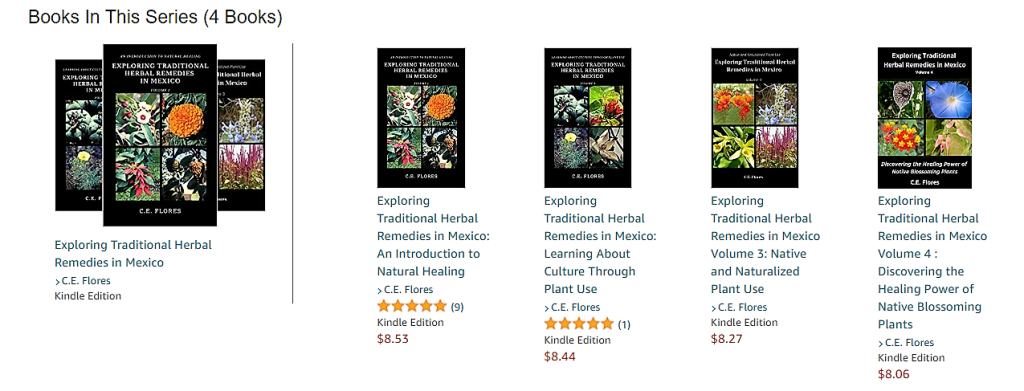
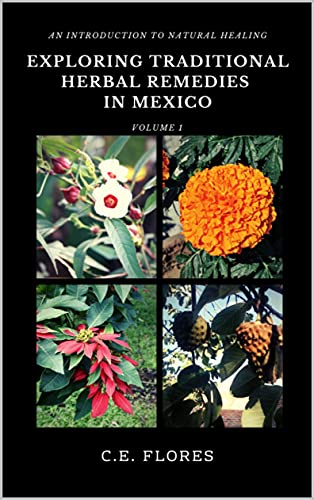
Interested in natural remedies? Uncover herbal remedies from traditional Mexican sources for healing and wellness in the Exploring Traditional Herbal Remedies in Mexico series.
3 Comments

Filed under Health, Natural Healing

Exploring Traditional Herbal Remedies in Mexico Volume 4: Discovering the Healing Power of Native Blossoming Plants

Volume 4 of the Exploring Traditional Herbal Remedies in Mexico series is now available on Amazon!

Are you ready to discover the incredible healing power of Mexican blossoming plants? Volume 4 of the Exploring Traditional Herbal Remedies in Mexico series explores over 50 different varieties and their unique medicinal properties.

From the breathtaking beauty of some of these plants to the less attractive yet equally powerful, gain valuable insights into the traditional uses and modern applications. Whether you are a professional in the field of herbal medicine or simply curious about the power of these plants, this volume has something to offer.

Unlock the healing power of blossoming plants and take control of your health and well-being. Don’t miss out on Volume 4 of the Exploring Traditional Herbal Remedies in Mexico series. Order your copy today and discover the incredible healing properties of these plants.

Leave a comment

Filed under Health, Native fauna and flora, Natural Healing

Natural Healing — Huaútli

Photo credit: Kurt Stüber

Did you know that May is National Amaranth month? And did you know that amaranth is a native Mexican plant with oodles of health benefits?

Let’s dive into the history a bit. The Amaranthus species has three varieties cultivated as a grain. These are Amaranthus cruentus (Blood amaranth), Amaranthus hypochondriacus (Prince’s feather), and Amaranthus caudatus (Loves-lies-bleeding). The first two are native Mexican plants while Amaranthus caudatus was originally native to Peru.

Amaranthus cruentus is huauhtli in Nahuatl and known by that term’s variation huaútli throughout Mexico. In Maya, it is xtes or tez, alparie in Purépecha, guegui in the language of the Raramuri, xidha in Otomí and wa’ve in Huichol. Other names for varieties of this plant include quelite, bledo, and quintonil all of which are also used to identify plants in unrelated species, making them problematic for identification purposes. Amaranto is another moniker gaining popularity.

The importance this grain once held in the prehispanic is seen by the number of names in Nahuatl for specific varieties. Black amaranth was tlilhuauhtli. Xochihuauhtli was yellow amaranth. Wild amaranth was tezca huauhtli. Another type of amaranth was michihuauhtli. And texouauhtli was the word for blue amaranth. This language precision was natural considering approximately 80 percent of the prehispanic indigenous diet was made up of this grain. Huaútli was cooked, popped, or ground into flour. It was used for atole, tamales, and tortillas. The tender leaves were boiled as a vegetable.

Discoveries of this grain in the kitchens and places of worship at an excavation site in Tepetitlán, an area near Tula, further demonstrate its importance. Tula is not an area where maize thrives because of altitude, frost layer, and poor soil quality. Instead, huaútli was the main crop for the area, especially valued during drought periods as it could be stored in clay pots for long periods of time without rotting. 

According to the Mendoza Codex, newborn babies were bathed with leaf infusions. Amaranth paste was used to make symbolic objects presented to a new baby to help identify its place in society, such as a bow and arrow for a hunter, a scribe’s utensils for the priesthood, and so on. 

Amaranto seeds formed into a ball with agave honey called tzoalli was a common travel food. Mixed with blood it was an offering to the gods. Warriors ate it to increase their strength. Today, this recipe is known as alegrías (joys) and is found in traditional sweet selections throughout the country and during the Día de Muertos festivities molded into skulls. 

Tzoalli was vilified by Spanish priests after witnessing the festivities of the Aztec god Huitzilopochtli, the principal deity of war, sun and human sacrifice, and the patron of the city of Tenochtitlan, which was celebrated in what is now December. Among processions, dancing, singing, praying, and human sacrifice, a representation of the god was formed from tzoalli. At the conclusion of the holiday, this was cut into small pieces and celebrants partook of a piece in a communal ceremony known as “the eating of the gods.” The Catholic Church outlawed the cultivation of huaútli, punishing anyone who planted it by cutting off their hands and anyone who ate it with death. 

Amaranthus is an extremely adaptable crop, heat/drought-resistant, with no major disease issues, and easy to grow. It is full of iron, calcium, phosphorous, folic acid, manganese, selenium, magnesium, vitamin A, vitamin C. 

It has a higher protein concentration than most other cereal grains and is considered a preventative food source for cardiovascular disease, cancer, and diabetes. Infant formulas made with Amaranthus cruentus are nutritionally rich. Made into flour, it is a tasty alternative to wheat products

In addition to nutritional and spiritual elements, huaútli has medicinal value. A tea infusion made from the flowers is prescribed as a daily heart tonic. Studies have demonstrated its anti-hypertensive and antioxidant properties. It is also antifungal and anti-inflammatory

Traditionally, a tea infusion made from the leaves is prescribed for diarrhea and stomach pain. For chest and back pain, the infusion is made from the flowers. For menstrual pain, the flowers are boiled in chicken broth. Leaf poultices are applied for cold sores and skin infections.

Alegrías

  • ⅛ cup of water
  • 1 cone of piloncillo (brown sugar)
  • ¼ cup of honey 
  • ½  limón juice
  • 1 cup + 3 tablespoons of amaranth seeds
  • 1 cup of a variety of seeds, nuts, and dried fruit (optional)

In a skillet over medium heat, toast the amaranth seeds until they puff up and are evenly browned, about 10 minutes. If adding nuts or pumpkins seeds, add them to the amaranth and toast briefly.

In another pot, combine the water and piloncillo. Stir over low heat until the piloncillo dissolves. Add the honey and mix again. Then add the limón juice and simmer for 15 minutes. Remove from heat and allow to cool for about 10 minutes. If adding dried fruit, do so now. 

Pour the liquid mixture over the toasted seeds and mix thoroughly. Spread the combined ingredients in a pan lined with wax paper. Allow it to set for 2 hours. Cut into bars or use shaped cookie cutters.

***

Interested in natural remedies? Uncover herbal remedies from traditional Mexican sources for healing and wellness in the Exploring Traditional Herbal Remedies in Mexico series.

Leave a comment

Filed under Health, Homesteading, Native fauna and flora, Natural Healing