Category Archives: Carnival posts

We are Educated by Our Intimacies –Otherwise known as what we did this summer

wpid-cam00935-1.jpg

Sometimes I worry that my son isn’t getting the education he deserves. We live in a rural area, he attends public school, but the education system is not the best, we don’t have regular access to the internet or public library, etc. But then he surprises me by discovering his passions on his own, and I look for ways to enhance his learning along with those lines, some formal, some informal.

For instance, this summer my son was able to attend both music and art classes as part of a program I was coordinating for a school. While he didn’t learn to play an instrument in the music class, he did learn to listen. Now two months after the class ended, he still mentions how much he enjoyed it. He has me listen to songs the teacher introduced him to in class and talks about their music, meaning, and rhythm.

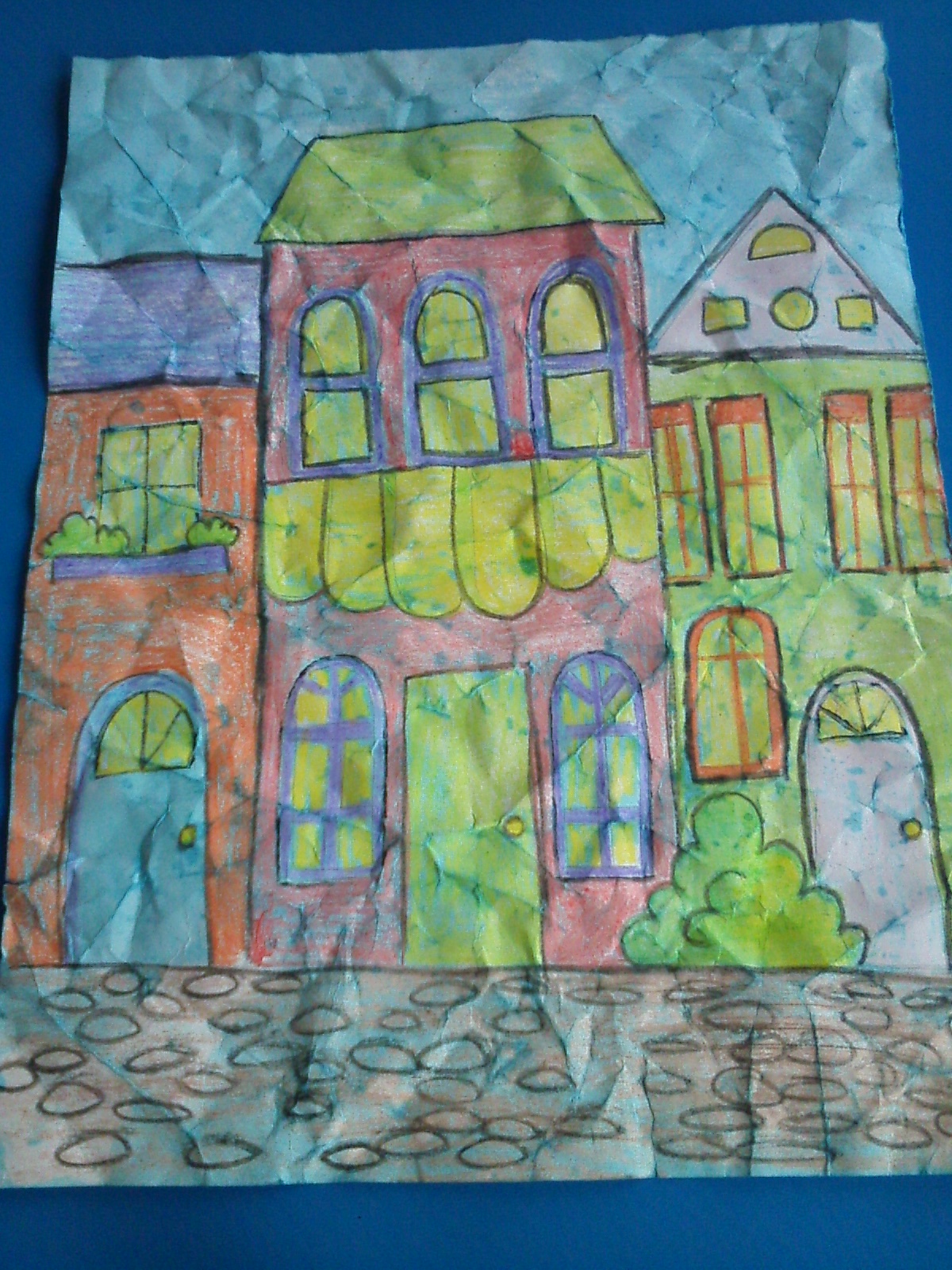
chalk and pastel drawingcrayon batik

In his art class, he learned how to create a chalk pastel and glue drawing, something I never would have thought to teach him. (To see how it’s done–Chalk Pastel and Glue Drawing.)  He also created a crayon batik drawing. Such exciting and fun art techniques!  While I don’t believe he will necessarily become an artist, art is definitely part of a well-rounded education.

cool rock

As for informal learning, we had several geological adventures this summer. (See Las Cuevas en Cerano and Picking Capulines) My son found some incredible rock formations. Our little home library didn’t have much in the way of rock and mineral books, so I sent the pictures via email to an old college buddy who happens to be a geologist. He did an incredible write-up, complete with diagrams and highlighted areas, about the pictures.  He sent links to geological studies of our area.  My son was fascinated, also incredibly impressed by my friend’s rock knowledge, and learned something in the process.

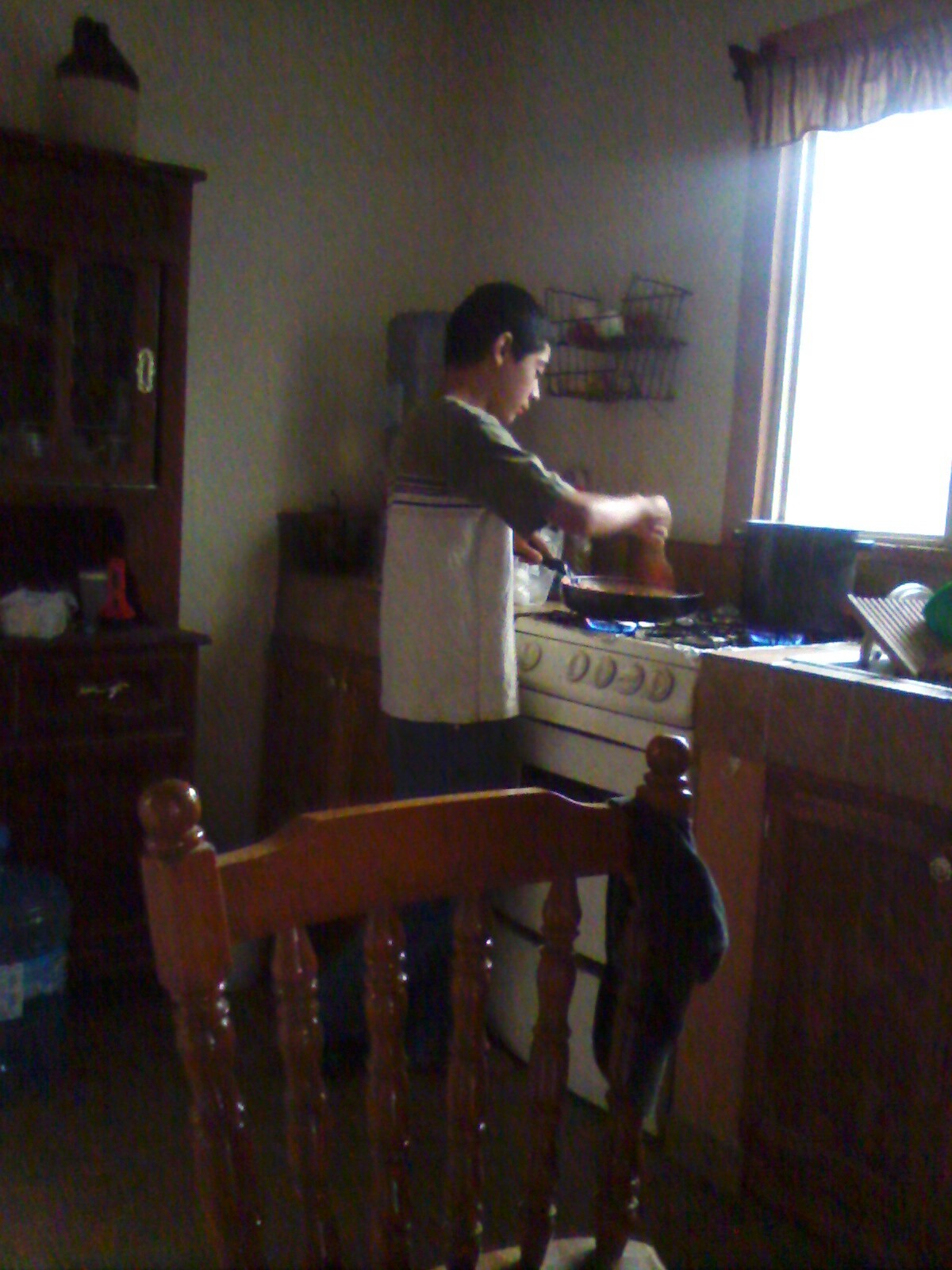
food prepcookingwpid-cam012412.jpg.jpeg

My son also expressed an interest in learning how to cook this summer. He asked if he could make something by himself, which was ok by me. He spent 2 days leafing through cookbooks until he found a dish that he felt he could make and that we could also find the ingredients for in our local market. He chose spaghetti carbonara.  He asked that I supervise, but not help.  I was happy to oblige. We all enjoyed the result!
hatchetterabitha

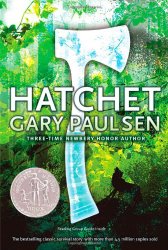
Reading has always been an interest of his, however, his new phone, and subsequent game downloads distracted his focus a bit this summer. I had to change my tactics somewhat when I encouraged reading over games. If there were a book I wanted him to read, I would read it through first, and he would see me reading it and ask questions. I would only tell him the bare minimum, piquing his curiosity. When I finished the book, I left it in his room, seemingly by accident. Sure enough, he would pick it up and read it, usually in one long Sunday afternoon out with the goats. Two of books that he especially enjoyed this past summer were Bridge to Terabithia and Hatchet.

wpid-cam01360.jpg

My son also nursed an injured heron back to health. Our little guest stayed until its wing healed and then was on its way. Take about a hands-on experience!

wpid-cam00653.jpg

Then he wanted to plant a flower garden in a little area that we haven’t had much luck in sowing. Again, he didn’t want any help, just the seeds and spent a happy afternoon planting. Unfortunately, the few plants that did sprout were quickly eaten by escaped chickens. Think it’s time to redesign the chicken area!

wpid-cam01539.jpg

He and his young mare Shadow began their joint schooling this summer as well. My husband worked with my son, and the two of them started light training for his horse. While they both are up for it, it’s still a long way to Wordsworth’s
‘proud to curb, and eager to spur on, the galloping steed’; and then, the home-coming:––

First day of first grade!

The first day of first grade!

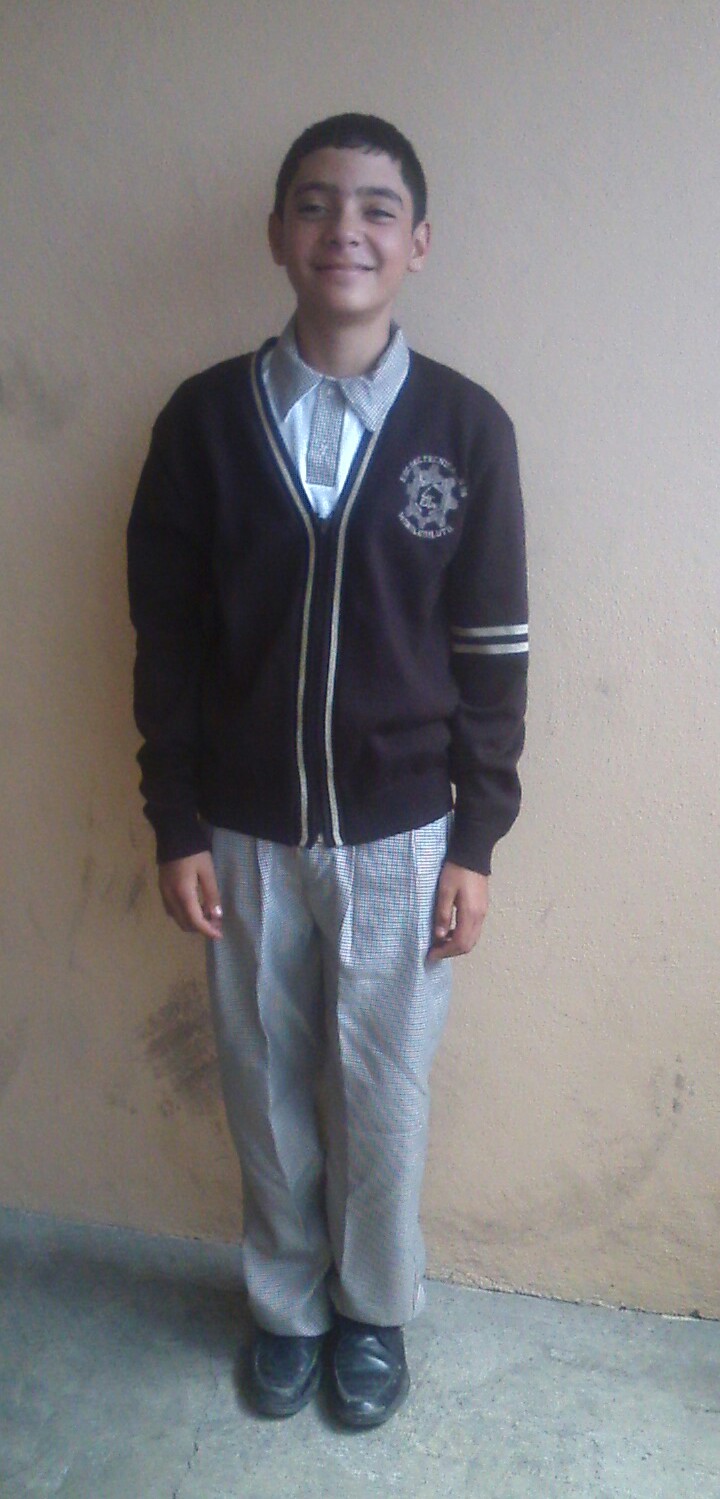
First day of Secondaria!

The first day of Secondary!

All too soon, the summer ended, and formal schooling began again, this time at what is known here in Mexico as secondaria (secondary). His hours in a structured classroom have increased from 4 to 6 per day. None of us are happy with the current schedule and have looked for alternatives, but have yet to find any that will work for us. Meanwhile, he does enjoy his biology class that is currently learning about the study of genetics (See Goat Genetics) and a woodworking class where so far he has made a complete set of stone-age tools and a doll’s table.

Learning, whether in a formal or informal setting, is essential to growth. It goes without saying that I want my son not just to grow, but to flourish. Sometimes that means creating an atmosphere for learning, and sometimes it means capitalizing on the environment that presents itself. And as Charlotte Mason writes …We know that parents and teachers should know how to make sensible use of a child’s circumstances (atmosphere) to forward his sound education; should train him in the discipline of the habits of the good life; and should nourish his life with ideas, the food upon which personality waxes strong.

***********************************

disclosure

4 Comments

Filed under Carnival posts, Education, Parenting Challenges and Cultural Norms

Building a dream–constructing a life


Welcome to the September 2014 Carnival of Natural Parenting: Home Tour

This post was written for inclusion in the monthly Carnival of Natural Parenting hosted by Hobo Mama and Code Name: Mama. This month our participants have opened up their doors and given us a photo-rich glimpse into how they arrange their living spaces.

***


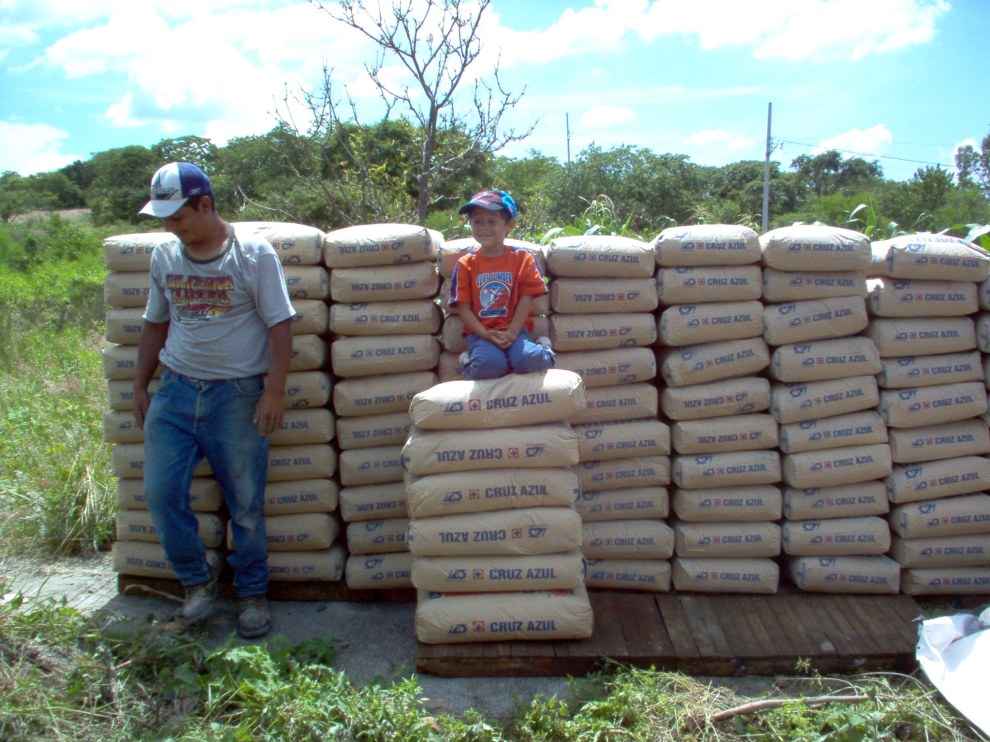
cement

The first of the home building supplies arrive!

Once we established ownership of our two little lots in La Yacata (See Buying a Piece of Heaven –part 1) we decided to start building our castle in the desert.

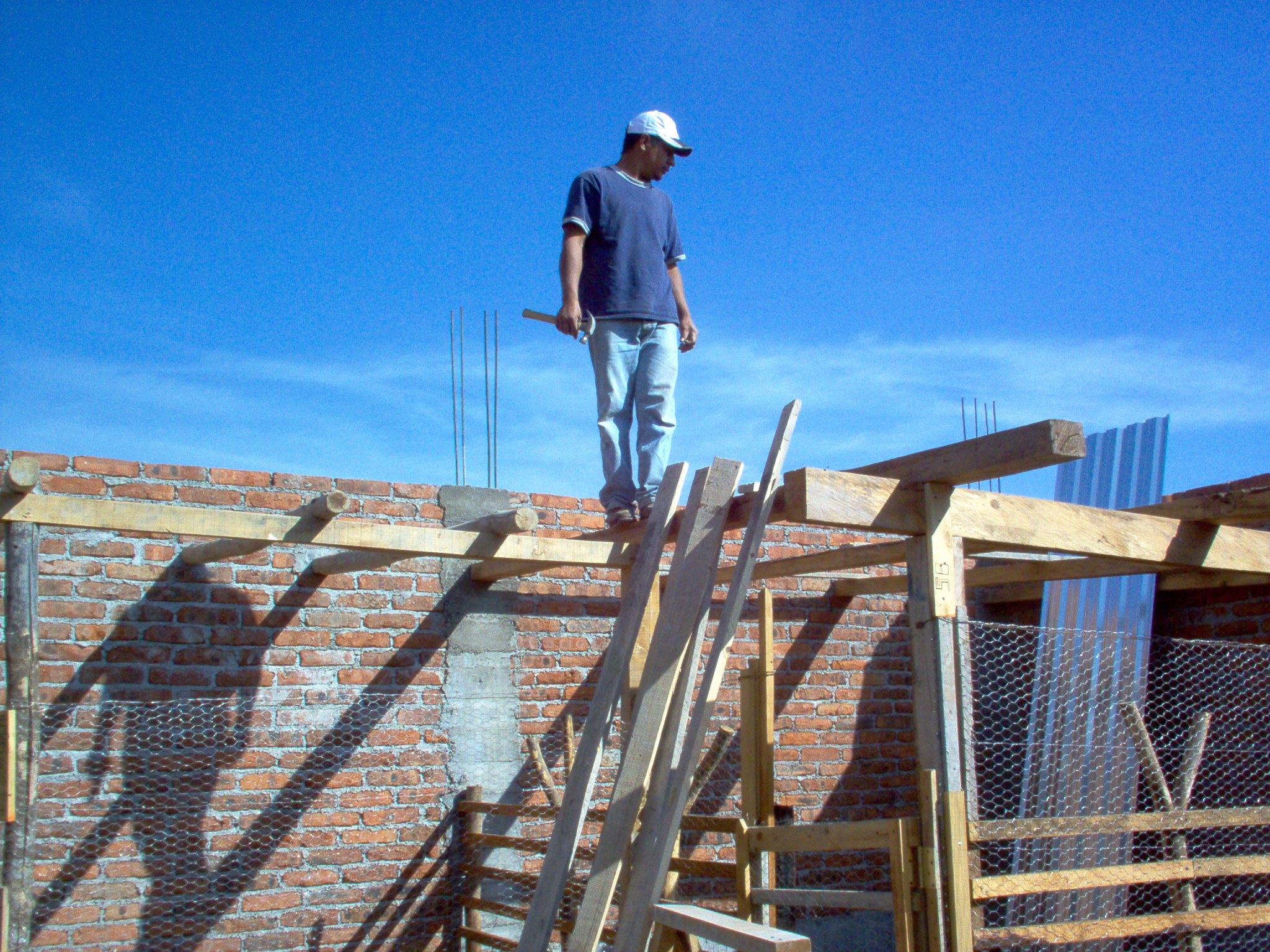
My husband is a builder by trade, but not an architect, so our house and adjacent animal area have undergone several remodels in the 8 years we have lived here. Our home isn’t finished, not by a long shot. However, we determined that we wouldn’t get into debt during construction, so only do what we can afford when we can afford it.

little helper

Our home has been built with love rather than skill!

We began with a kitchen, bathroom, 2 bedrooms, garage and back porch. We enclosed the back porch about a year later and added the laundry room upstairs. We are currently in the process of adding a bathroom and studio apartment, complete with fireplace, on the second floor. The idea is for our home to function as a multi-generational home when the grandkids arrive. As our son is 12, we think we’ll have time to finish it before then.

kitchen

Our finished kitchen

door

Our bathroom door!

floor

Our partially tiled floor

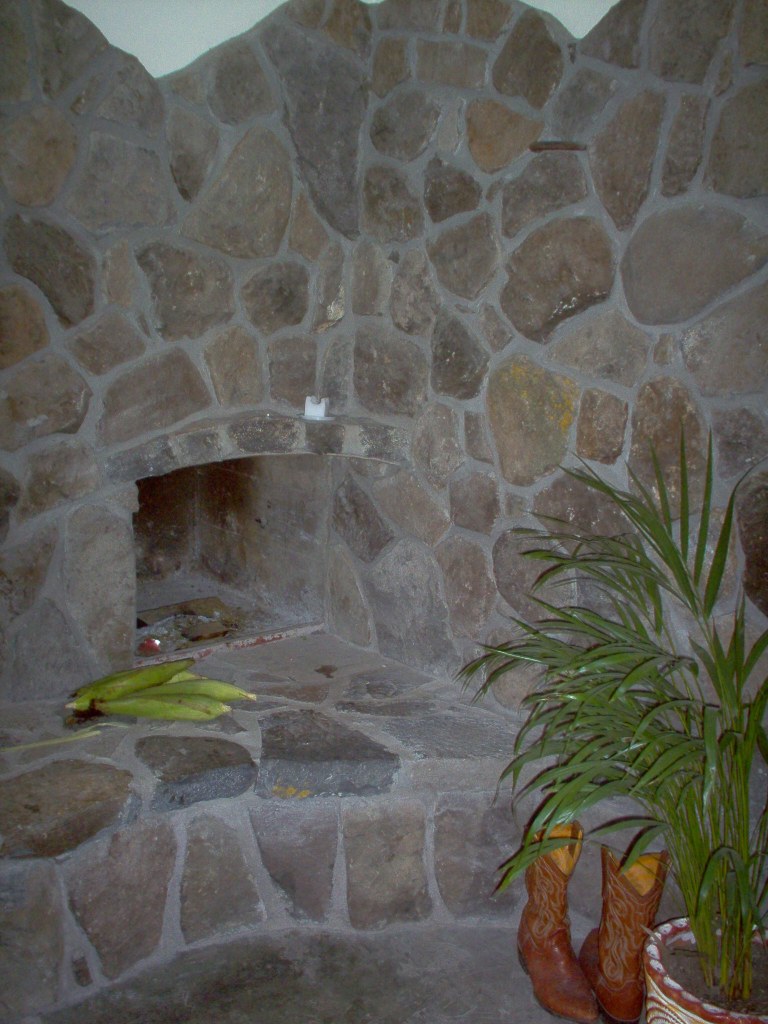
fireplace

Our toasty fireplace

ajibe

The aljibe

laundry area

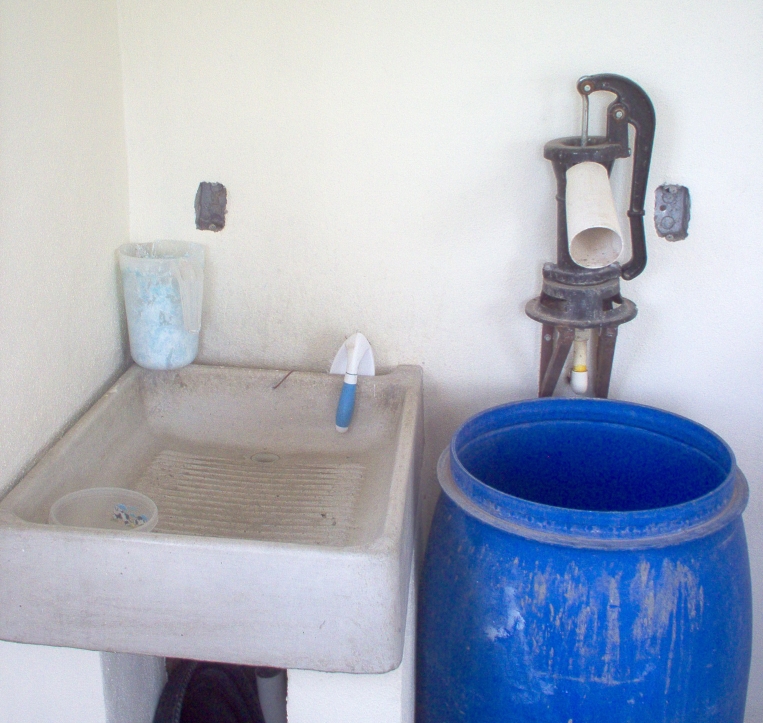
Our second-floor laundry area, complete with hand pump connected to the ajibe (dry well).

We had to make allowances for the fact that we have no running water, electricity or sewer system in our neck of the desert and no idea when those things might be installed. (See The beginning of the revolution). Therefore, we designed our home with plenty of natural light, a centrally located fireplace, the aljibe (water storage area) and means to recycle our gray water.

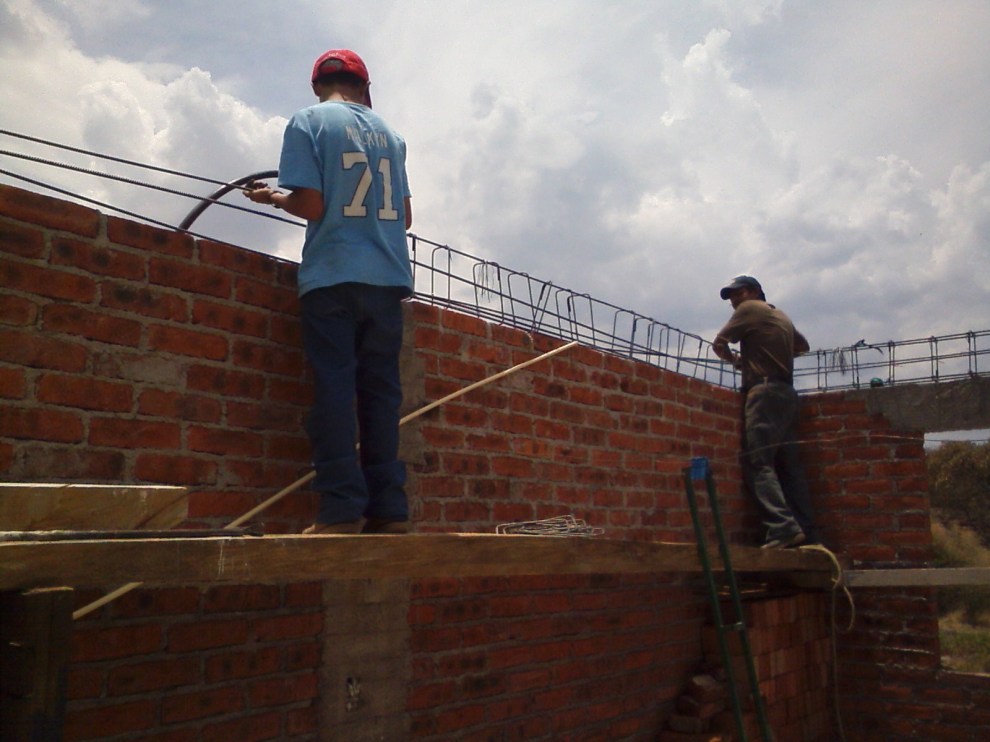
builders

Working on the second floor!

We used brick made in a little town nearby and stone from our own backyard for our lovely fireplace. Wood is dear here, so we weren’t able to put doors on the rooms until recently, and we still don’t have a bedroom door, but at least now the bathroom has one. We have also been able to tile the kitchen, bathroom, and bedrooms and hope this year to finish at least the downstairs. As a special treat for me this year, my husband and son made me a bookcase. I can now boast of having the first library in La Yacata!

library

My library

As our animals are an integral part of our life here, as much attention as we have given our home has gone into their sheltering. Miss Piggy had her own bungalow, Mr. & Mrs. Muscovy and family had their own swimming pool, the chickens have their own swing, the goats their own corral, and the horses their own stalls. Kitty is the queen of the backyard and Chokis the puppy is king of the barn. Right now, only poor Fiona the donkey is left without a proper space to call her own, a situation which we are trying hard to rectify.

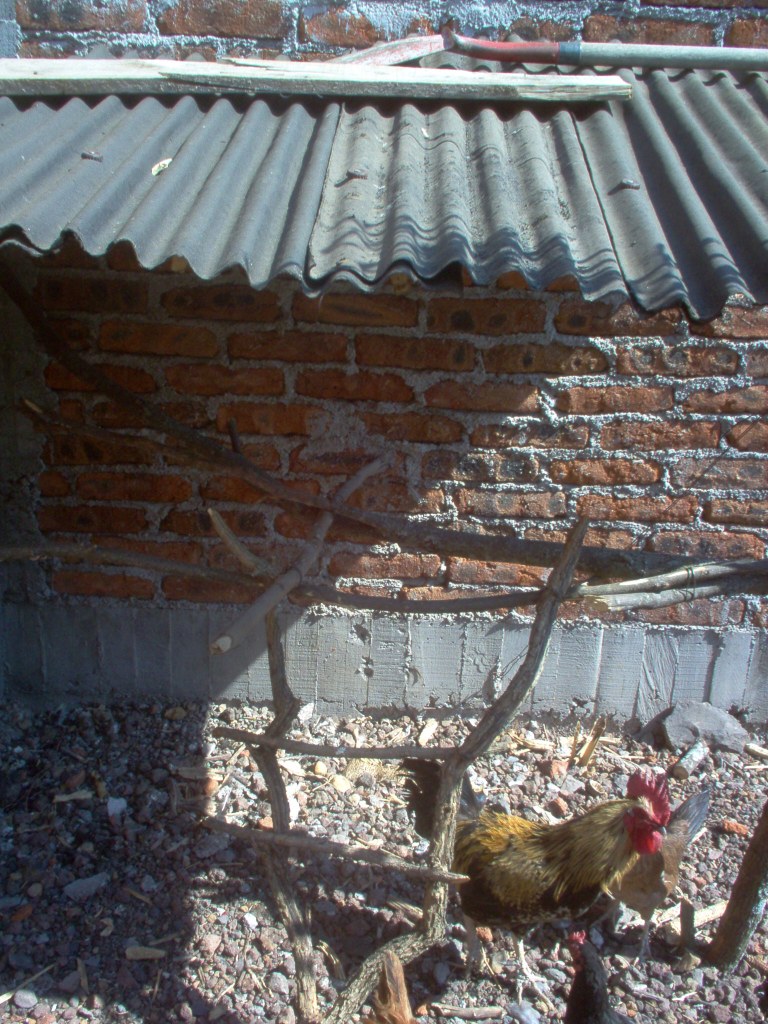
chicken swing

The chicken “swing.”

goat corral

Goat area

swimming

Duck pond

entrance

Horse area

Miss Piggy

The bungalow

 Our backyard also has undergone some changes. When our son was smaller, he had a clubhouse/swingset. When he was quite done with it, we removed it and planted more fruit trees as part of our quest for self-sufficiency. As a growing pre-teen, he enjoys the “free food” as much as he did the swing!

swingset

Clubhouse

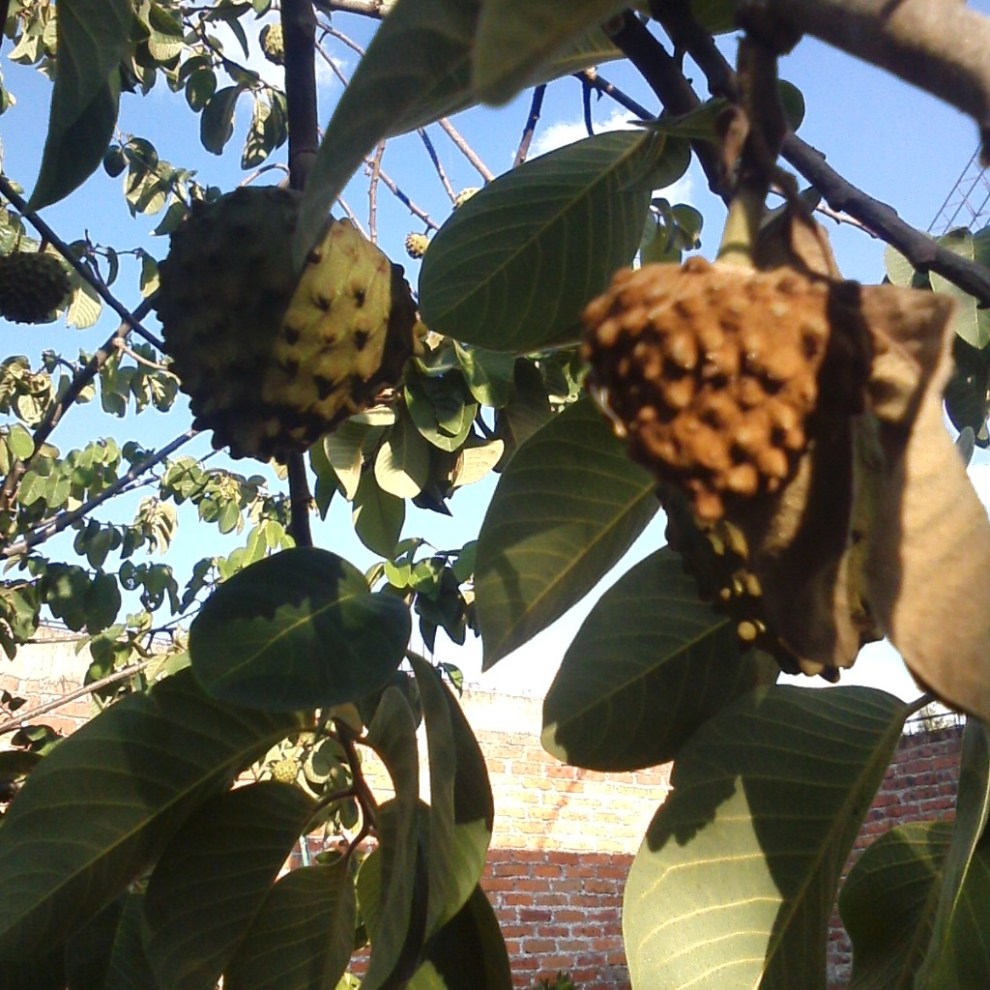
chirimoyo

One of our ever producing fruit trees

Building our own home has not been easy, but it has its own rewards.  We built this house as a family, we constructed our new lives in Mexico as a family, and we continue to remodel both our home and our lifestyle as we try to get it right.  And if we never get it finished, well, it’s the journey, not the destination after all.

builder


***


disclosure

Carnival of Natural Parenting -- Hobo Mama and Code Name: MamaVisit Hobo Mama and Code Name: Mama to find out how you can participate in the next Carnival of Natural Parenting!

Please take time to read the submissions by the other carnival participants:

(This list will be updated by afternoon September 9 with all the carnival links.)

  • Being Barlow Home Tour — Follow along as Jessica at Being Barlow gives you the tour of her family’s home.
  • Dreaming of a Sisters Room — Bianca, The Pierogie Mama, dreams, schemes and pins ideas for when her younger daughter is ready to move out of the family bed and share a room with her older sister.
  • Building a life — Constructing a dream — Survivor at Surviving Mexico-Adventures and Disasters shows you a glimpse inside the home her family built and talks about adaptions they made in constructing their lives in Mexico.
  • Why I’m Sleeping in the Dining Room — Becca at The Earthling’s Handbook welcomed a new baby but didn’t have a spare bedroom. She explains how her family rearranged the house to create Lydia’s nursing nest and changing room in spaces they already had.
  • Our Home in the Forest — Tara from Up the Dempster gives you a peek into life lived off-grid in Canada’s Yukon Territory.
  • natural bedding for kids — Emma at Your Fonder Heart shows you how her family of 3 (soon to be 4) manages to keep their two cotton & wool beds clean and dry (plus a little on the end of cosleeping — for now).
  • I love our home — ANonyMous at Radical Ramblings explains how lucky she feels to have the home she does, and why she strives so hard to keep it tidy.
  • Not-So-Extreme Makeover: Sunshine and Rainbows Edition — Dionna at Code Name: Mama was tired of her dark, outdated house, so she brightened it up and added some color.
  • Our little outdoor space — Tat at Mum in search invites you to visit her balcony, where her children make friends with wildlife.
  • Our Funky, Bright, Eclectic, Montessori Home — Rachel at Bread and Roses shows you her family’s newly renovated home and how it’s set up with Montessori principles in mind for her 15-month-old to have independence.
  • Beach cottage in progress — Ever tried to turn a 1980s condo into a 1920s beach bungalow? Lauren at Hobo Mama is giving it a try!
  • Conjuring home: intention in renovation — Jessica at Crunchy-Chewy Mama explains why she and her husband took on a huge renovation with two little kids and shares the downsides and the ups, too.
  • Learning At Home — Kerry at City Kids Homeschooling helps us to re-imagine the ordinary spaces of our homes to ignite natural learning.
  • My Dining Room Table — Kellie at Our Mindful Life loves her dining room table — and everything surrounding it!
  • Sight words and life lessons — The room that seemed to fit the least in Laura from Pug in the Kitchen‘s life is now host to her family’s homeschool adventures and a room they couldn’t imagine life without!
  • A Tour of Our Church — Garry at Postilius invites you virtually visit him in the 19th-century, one-room church where he lives with his spouse and two kids.
  • Preparing a Montessori Baby-Toddler Space at Home — Deb Chitwood at Living Montessori Now shares the Montessori baby-toddler space she’s created in the main living area of her home along with a variety of resources for creating a Montessori-friendly home.
  • The Old Bailey House — Come peek through the window of The Old Bailey House where Erica at ChildOrganics resides with her little ones.
  • My New House Not-Monday: The Stairs — Claire at The Adventures of Lactating Girl shows you her new laminate stairs in her not-so-new-anymore house.
  • To Minimalist and Back Again — Jorje of Momma Jorje shares how she went to the extreme as a minimalist and bounced right back. Read how she finds it difficult to maintain the minimalist lifestyle when upsizing living space.
  • Our Life As Modern-Day Nomads — This family of five lives in 194 square feet of space — with the whole of North America as a back yard. Paige of Our Road Less Traveled guest posts at Natural Parents Network.


17 Comments

Filed under Animal Husbandry, Carnival posts, Construction, Water issues

Women in Mexican History–La Malinche


Welcome to the ‘Look At All The Women’ Carnival: Week 3 – ‘The Eclectic Others’

This post was written especially for inclusion in the three-week-long ‘Look At All The Women’ carnival, hosted by Mother’s Milk Books, to celebrate the launch of Cathy Bryant’s new book ‘Look At All The Women’. In this final week of the carnival our participants share their thoughts on the theme ‘The Eclectic Others’ (the third, and final, chapter in Cathy’s new poetry collection).

Please read to the end of the post for a full list of carnival participants.

***

The Virgen de Guadalupe (Virgin of Guadalupe), a.k.a. Nuestra Reina de México, La Empresa de las Americas and The Protectress of Unborn Children, is the most revered religious and political image in México and her only noteworthy act was to appear on a hill top and instruct a peasant to build a shrine in her honor, make an image on a cloak appear miraculously and speak Náhuatl, oh and somehow also be the ever-virgin dark-skinned mother of Christ. (See  Christmas in Mexico—La Virgen de Guadalupe)

malinche2

I say the position and title of Mother of México belong, not to La Virgen, but to another woman, one reviled in Mexican history so much so that her very name is used to mean traitor, one who prefers foreign to Mexican. (malinchista) Yet, this woman’s life story is one that women, especially Mexican women, can find evidence of a life well-lived despite the circumstances she found herself in.

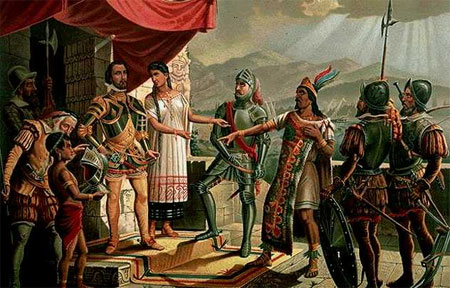
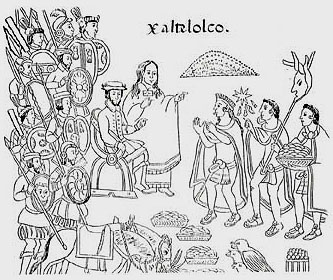
La Malinche, Malinalli, Malintzin, known as Doña Marina to the Spaniards, was born sometime between 1496 and 1501 into a noble family in the Paynalla province of Coatzacoalcos, in the Veracruz region of southern México. She was named “Malinalli” after the Goddess of Grass, and later “Tenepal” meaning “one who speaks with liveliness.When her father died, her mother married again and had a son. In order for the son to inherit her former husband’s estate, Malinalli’s mother sold her to slave traders but told the neighbors that Malinalli had died, even presenting the body of a dead slave girl to bolster the lie.

350px-Cortez_&_La_Malinche

In the course of her early slave life, Malinalli learned to speak Mayan in addition to her native Náhuatl. Eventually, she became the property of the Cacique (ruler or chief) of Tabasco. During this period, Hernán Cortés arrived in Tabasco. The Maya gave the Spaniards food, cloth, gold, and slaves, including 20 women, one of whom was Malinalli.

In order for the new Spanish owners to take the women as their own, they were purified through baptism and given Spanish names. Malinalli was given the name Marina at her baptism in 1519. Cortés then gave the newly converted women to the highest-ranking officers. Marina was given to Alonso Hernández de Puertocarrero. After a month, when Alonso Hernández de Puertocarrero returned to Spain at Cortés’ orders, Marina became the property of Cortés.lamalinche-translator

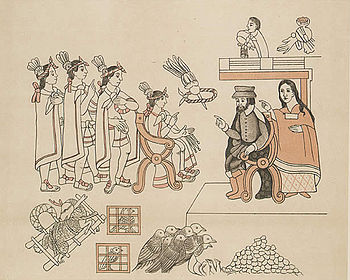
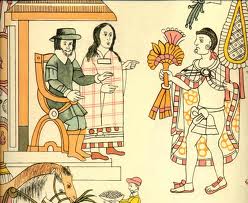
Marina began her career as a translator for Cortés at this point, first through Jerónimo de Aguilar who translated from Spanish to Mayan, then later without intermediary when Marina learned Spanish. She became known as Malintzin, the Nahuatl suffix “-tzin” denotes respect, among the indigenous people they visited and Doña Marina among the Spanish. The title Doña was used to indicate the bearer was a lady, nobly born. Both groups, therefore, recognized that she held a position that was more than a slave.

lamalinche-court

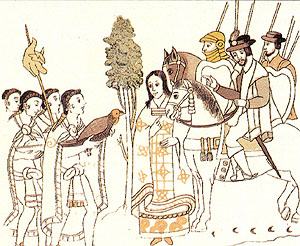
So where did the name La Malinche come from? Cortés was known as Malintzin-é among the indigenous people. Attempting to pronounce this Nahuatl name, Spanish-speakers rendered the soft Nahuatl tzin-é sound as ch; the result was Malinche. As Doña Marina was never far from Cortés, she became known as La Malinche, the feminine version of Cortés’ name. Some scholars argue that Malinche can be translated as Captain and La Malinche is the Captain’s Woman, or perhaps Cortés received his status through Malintzin and the titles should be reversed. He himself gave her some credit when he wrote in a letter to Spain, “After God we owe this conquest of New Spain to Doña Marina.” God, after all, did provide the Spanish with smallpox and greed which led to the decimation of the indigenous people. In comparison, Doña Marina played a much smaller role of translator, negotiator and adviser.

All accounts show that Doña Marina was extremely loyal to Cortés. This does not mean she was a traitor to her own people, however. It is clear from the records of the time that she saved countless indigenous lives by forging alliances between the Spaniards and the native groups. She also actively encouraged the Spaniards to negotiate rather than fight. She was not always successful in keeping the massacres from happening, though.

la malinche

Doña Marina’s role in Mexican history was not limited to the political arena. She had a son by Cortés in 1522. Their son, Martin, was taken from Doña Marina and sent to live with Cortés’ cousin when he was two years old. In 1526, Doña Marina was married to Juan Jaramillo, although whether the marriage was by force or by choice is not clear. After all, Cortés already had a Spanish wife and couldn’t or wouldn’t marry the indigenous mother of his son. Cortés later took a second wife, who bore him a son also named Martin. The second Martin inherited all of Cortés’ estates in Spain and in New Spain after his death in 1547.

In 1527, Doña Marina had a daughter with her legal husband Jaramillo, named María. Her husband remarried the following year and attempted to disinherit their daughter. Although many scholars say that Doña Marina died in either 1527 or 1529, there are some who say that based on letters to Spain, she may not have died until 1551. Perhaps her death was faked and her child taken from her so that someone else would inherit her estates. It wouldn’t have been the first time for either event in her life.

I can only speculate what might have inspired Malinalli through her life’s journey. Perhaps she saw something more than what was and worked with what skills she had to make it real. Perhaps she despised the system that kept her a slave and worked to destroy it, only to find out that she had traded one set of chains for another.

The truth is that she birthed a new people, a new world, a new life, something more than what was before. She should be honored, not reviled for her acts. Like the Goddess of Grass that she was named after, Malinalli bent but did not break in the storm that ravished her country. 

***********************************************

For more information about this incredible woman:


disclosure


***

Look At All The Women is now available to buy from:

The Mother’s Milk Bookshop (as a paperback and PDF) – we can ship books around the world!

and as a paperback from Amazon.co.uk.

It can also be ordered via your local bookshop.

If you’d like to know more about Mother’s Milk Books — our submission guidelines, who we are and what we do — please find more details here:

http://www.mothersmilkbooks.com/

Please take the time to read and comment on the following fab posts submitted by some wonderful women:

‘Heroines and Inspirations’— Cathy Bryant, guest posting at Mother’s Milk Books, shares two of her own powerful, inspiring poems, and the stories behind them.

‘Sensitivity’Marija Smits shares a poem, with an accompanying image, that gives a glimpse into the inner workings of a highly sensitive person.

Georgie St Clair shares her creative female heroines in her post ‘Creative Others: Mothers Who Have It All’

‘The Eclectic Others – Or What Would I Have Been Without You?’ — Kimberly Jamison posts to her blog The Book Word a thank you to the women of literature and history who have been in her life, shaped her life, saved her life and gave her a future.

‘Barbie speaks out’ — Ana Salote at Colouring Outside the Lines shares a platform with feminist icon, Barbie.

‘Her Village’ — An older (much older than most) first-time mother, Ellie Stoneley from Mush Brained Ramblings firmly believes in the old African adage that it takes a village to raise a child. To that end, she has surrounded her daughter with the love, mischief and inspiration of an extremely eclectic bunch of villagers.

Survivor writes about the inspiring life of La Malinche and her place in Mexican history at Surviving Mexico: Adventures and Disasters.

Sophelia writes about the importance of her community as a family at Sophelia’s Adventures in Japan.

17 Comments

Filed under Carnival posts, Mexican Cultural Stories