
Cultural Challenge—How to tell if you’ve been just been called an idiot

dunce

It’s not as easy as you might think to determine if you have just been insulted by a Mexican Spanish speaker. Sure words like idiota or estúpido can be easily understood by an English speaker, but there are expressions that on the surface might mean something completely different. Just so you know, all of the following expressions are meant to cause offense, so best not use them unless you want your butt kicked.

aloe vera

¡Ponte sabila! This isn’t a reference to the sábila (aloe vera) plant (See Natural Healing with sábila) but to the word saber (knowledge). It loosely translates as Wise Up! After all, a wise person would use sábila in healing. You’ve just been told you are acting like an idiot.

trout

¡Ponte trucho(a)! The word trucho literally refers to a male trout. However it’s actual use is more in line with fraud or fake. Although, in this expression it means rascally or shrewd. So here the expression is for you to Sharpen up like a male trout! You’ve just been told you are acting like an idiot.

¡Ponte chingón(a)! The word chingón comes from the verb chingar which has a whole slew of meanings in México. It could mean to f*** with, to f****, to take advantage of or to work diligently, among others. This expression advises you to take control of the situation or manipulate it for your benefit. You’ve just been told you are acting like an idiot.

empty head

¡No seas cabeza hueca! The word hueca means hollow or empty. So here the idea implied is that there is nothing inside the hollow of your head. You’ve just been told you are acting like an idiot.

¡No seas pendejo(a)! The word pendejo refers literally to pubis hair. No joke! Therefore, the use of this word is a bit stronger and more offensive than some. It means you are acting in an adolescent, unwise manner. A related expression is¡No digas pendejadas! This expression advises you forcefully to leave off saying whatever it is you are saying because you are speaking like an idiot.

¡No seas mamón! This expression uses the verb mamar which means to suckle and is extremely offensive. They literally refer to the idea that you are not capable of an intelligent action or thought because you are still being breastfed. You’ve just been told you are acting like an idiot.

¡No mames! This also uses the verb mamar but has a slightly different meaning. It is typically used when you just can’t believe something. In English, you might say You’ve got to be kidding! Obviously, you have just done or said something stupid.

manches

¡No manches! This expression is sort of the juvenile version of ¡No mames! Sort of like Jeez in place of Jesus Christ as an expletive. The verb manchar means to stain or leave a mark. The expression is typically used when one is frustrated with the actions or comments of another person. When my students use this expression in class, me being the wise-ass that I am, calmly inform them that No estamos manchando! (we aren’t staining anything at the moment) and they laugh and try for a more polite response.

table

¡No seas menso(a)! The word mensa once upon a time was a reference to a table. So calling someone a table would indicate that they are of inferior intelligence. In México, this expression means you are of inferior intelligence or in other words you’ve just been told you are acting like an idiot.

burro

¡Burro(a) or Asno(a)! Both words refer to the donkey and imply that you have so little intelligence that you are fit for nothing but working in the fields. (See On Being a Burro). You’ve just been told you are acting like an idiot.

Cada quien su guey

¡Güey! This word is an altered version of the word buey which is an ox. Again we have reference to the limited mental prowess of an animal. You’ve just been told you are acting like an idiot.
tonto

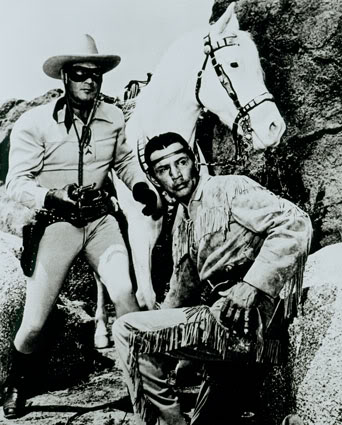
¡Tonto(a)! or ¡Deja de decir tonterías! Yes, the Long Ranger’s sidekick’s name was Stupid. The second expression indicates that you are saying foolish things and should leave off saying them immediately because you are an idiot.

¡Tarado(a)! This expression isn’t as common where I live, but I heard it on a Spanish language dubbed movie. My husband wouldn’t tell me what it meant so I had to look it up. It implies that you are deficient in the intelligence department and you’ve just been told you are acting like an idiot.

blockhead

¡Tarugo(a)! Literally the word means a thick piece of wood. Wood, like tables and suckling babes, are low on the intelligence totem pole, and you have just been told you are an idiot, blockhead.

¡Idiota! This word actually comes from the Greek word for a layman, someone untrained or not involved in public affairs. It is easily understood by English speakers as an insult to your higher reasoning powers.

¡Estúpido(a)! Again, this word is easily recognized by English speakers. However, I will warn you that it seems a stronger insult in Mexican Spanish and is seldom used. One day, I was reading The Emperor’s New Clothes to first graders and the version I was reading used the word stupid. Oh my goodness! You would have thought I had insulted their mothers the way the kids carried on. I certainly didn’t want them running home and saying the English teacher used the word estúpido in class, so I tried to explain that it didn’t mean the same in English and that regardless, we weren’t going to use it in class.

computer guy

Contra Indios. This racial expression can be translated literally against Indians. It is used when something you are trying to use isn’t working correctly. For instance, if you can’t open the trunk of your car it’s because the lock is contra Indios. This implies that the object is too technically advanced for a backwoods Indian and you are a backwoods Indian. You have just been told you are an idiot.

This list is not conclusive. I am sure that there are many other ways you might be told you are sub-intelligent that I have yet to hear. But I hope it helps with any inter-cultural communication situations you might find yourself in.

knight

If you want to respond to any of the previously mentioned, you might try ¡Te pasaste! or ¡No te pasas de lanza! Pasar means to go over or past and lanza is a weapon (lance). These phrases let the insulting speaker know that he or she has gone over the limit with the idiot comment and you don’t appreciate it. After all, them’s fighting words!

***************************

disclosure


2 Comments

Filed under Cultural Challenges

Battling Nature—Spiders

spider

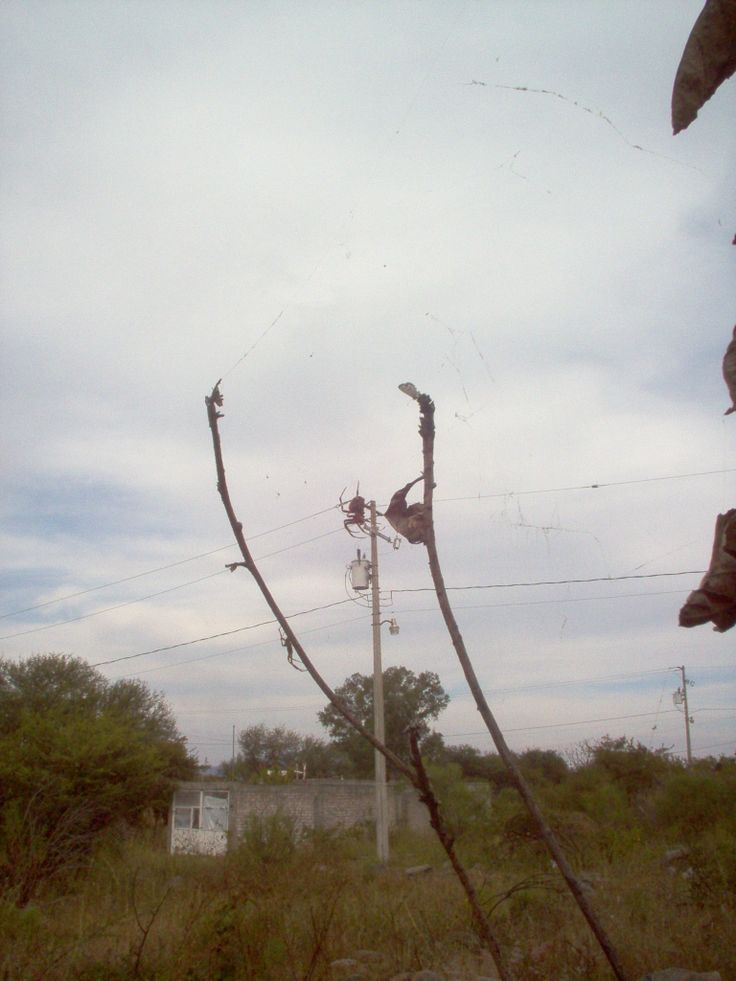
Watch out for the spiders in La Yacata!

For the most part, I am OK with spiders. Spiders keep the fly population under control and that’s a good thing. (See Battling Nature—flies) I have never been one of those shrieking ninny girls that faint dead away at the sight of the long-legged arachnids unless of course, it is in my hair, then I do the Funky Chicken dance until it is removed. However, I have discovered that La Yacata has its own set of scary spiders.

tarantula

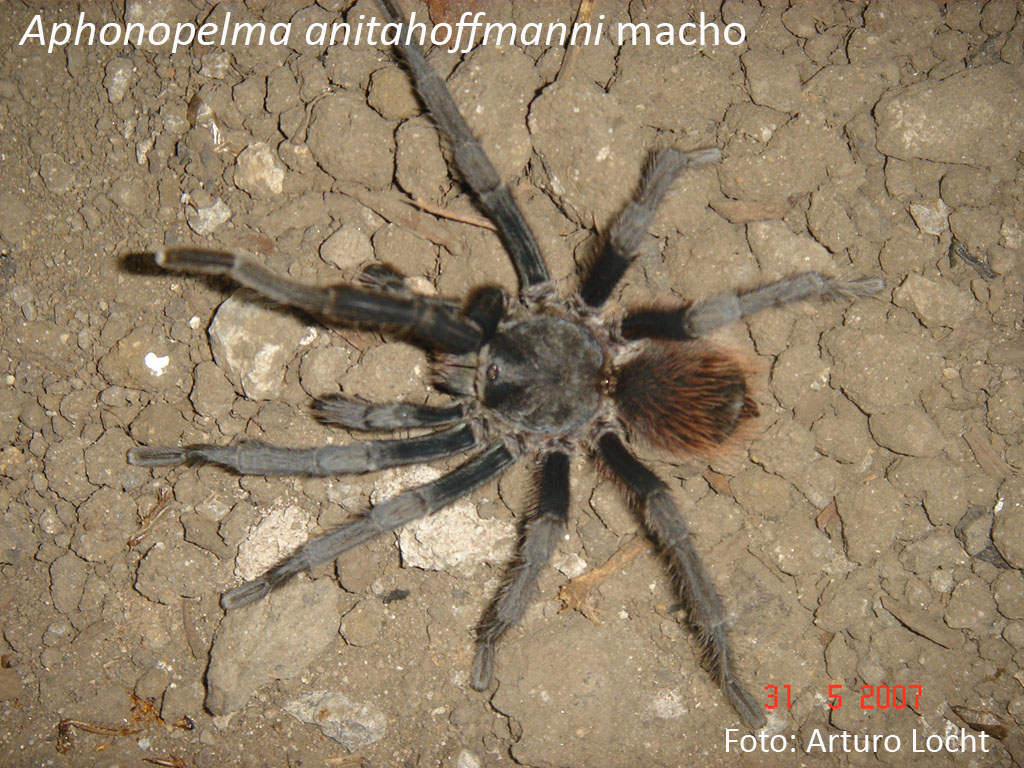
For instance, the tarantula. According to some, Mexico is in second place for a  number of tarantula species in the world, with 66 documented species, and could be the first, however, nobody has been actively investigating them. Huh, wonder why.

I have seen tarantulas, up close and personal, inside my home, at the front door and in the road outside. And they are huge, often the size of my hand or larger. And they are hairy! Run away! Run away!

orange tarantula

Our close encounters with the tarantula kind have been two distinct species, a brown furry 8 legger and an orange furry 8 legger. The brown tarantula has visited us in La Yacata late at night and caused considerable consternation. The orange tarantula has visited the Crappe Shoppe in town in the mid-afternoon, causing even more consternation. I had visions of being eaten alive like in the giant red ant scene in Indiana Jones and the Kingdom of the Crystal Skull .
YIKES!

My general reaction has been consistent. Scream, jump around, jump around some more, yell for my husband who comes with a shovel or other blunt instrument and mashes it after jumping around himself and then disposes of the body.

I know, I know. Even spiders are God’s creatures and have a place in this world, but ACH!

black_widow

The second spider that causes us anxious moments is the Black widow spider,  easily identified by the red hourglass marking on her abdomen. These spiders I give a WIDE berth. I have this fear that large bloated abdomen will explode (completely irrational I know), so I don’t smash this spider when found, but chase it as far from my personal space as possible. Sometimes this means I actually scoop it up in a container and deposit it some distance from my home, work or current location.

wolf spider

And finally, the last spider encountered to date that totally freaks me out is the wolf spider.  These arachnids are not only large, hairy and ugly but FAST! Catching one in order to relocate it is nearly impossible. What typically happens is that in the process of pursuit and capture, the spider loses a limb and then we are chasing around a 7-legged freaky thing, hopping and hollering. Sometimes we can catch it, sometimes it escapes.

Our official spider weapon!

Our official spider weapon!

Because of the plethora of spiders in La Yacata, I bought a chimney sweep which I use to remove spider webs as part of my weekly cleaning routine. I realize that the webs that I am removing are made by the harmless daddy long-legs and not the 3 scary spiders I have just mentioned, but it makes me feel better.

***************************************************

disclosure


1 Comment

Filed under Battling Nature, Native fauna and flora

Natural Healing–Maguey AKA Agave

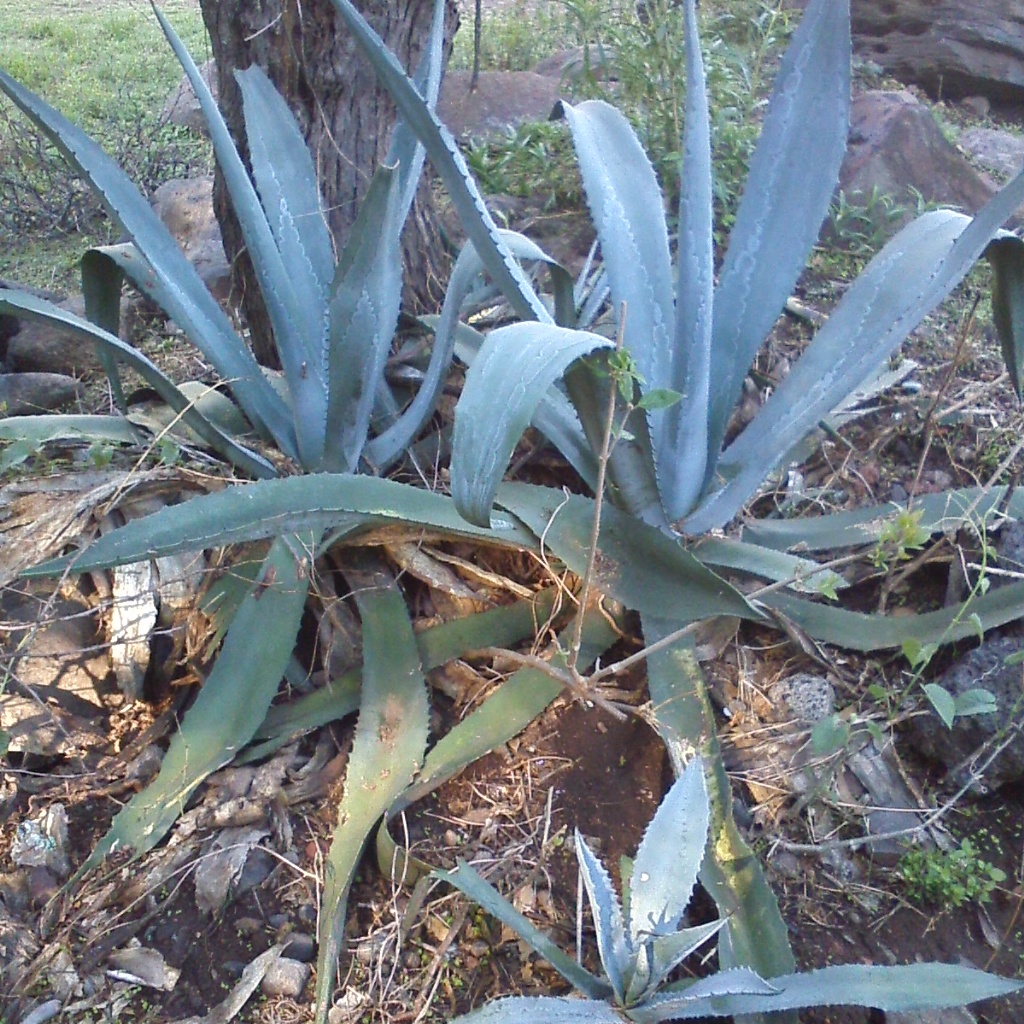
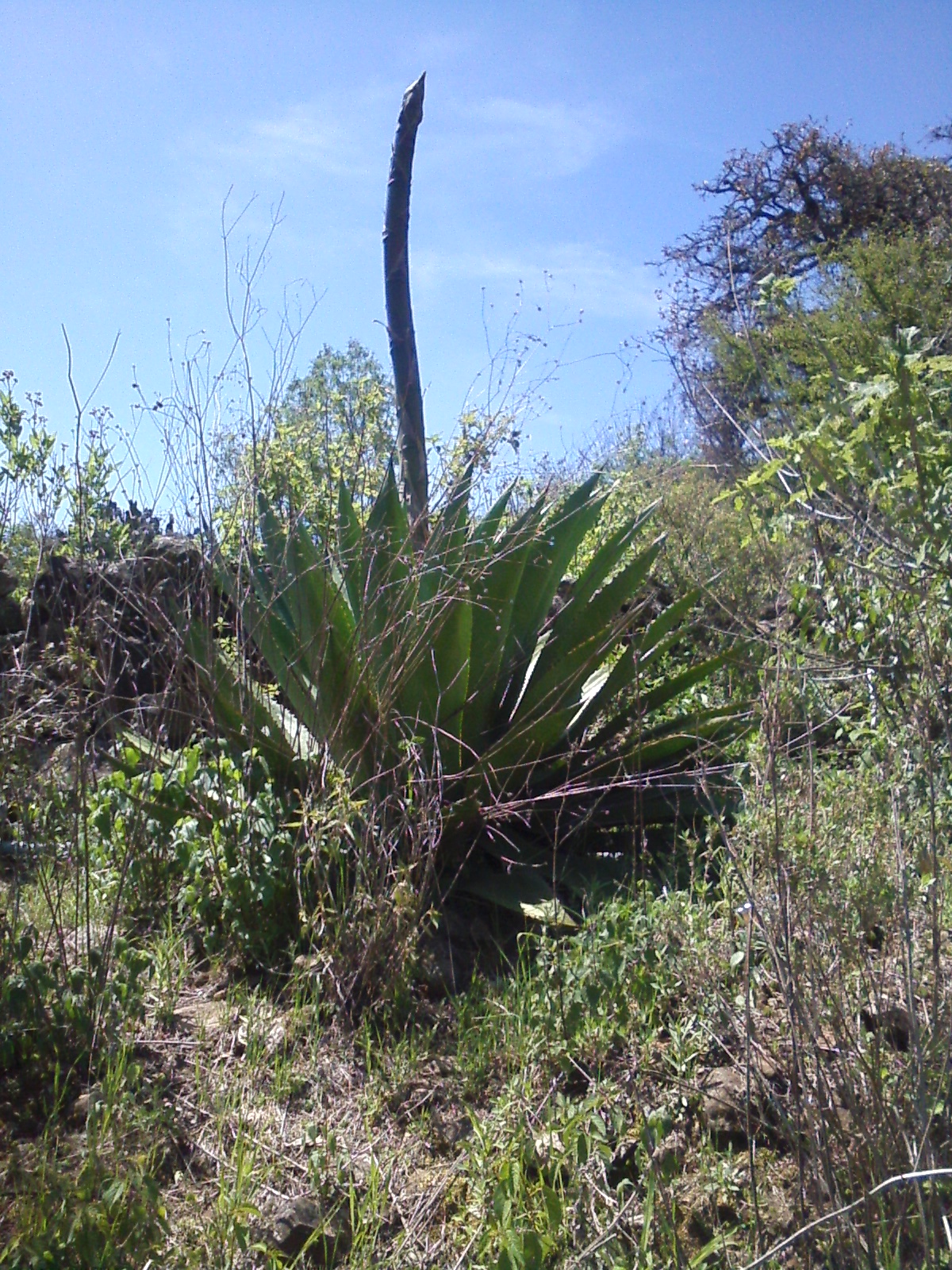
maguey Since time unknown, the maguey or agave plant has been used by the people in Mexico for clothing, medicine, shelter, fuel, alcohol and tools. Fibers, called pitas, were taken from the plant and woven into cloth. Thorns were used as sewing needles. Pencas (leaves) were dried to burn as fuel or overlaid for roofing. The sap was used as a sweetener, as medicine or distilled for alcohol. The Aztecs/Mexica even had a specific patron deity for this plant, the goddess Mayahuel.
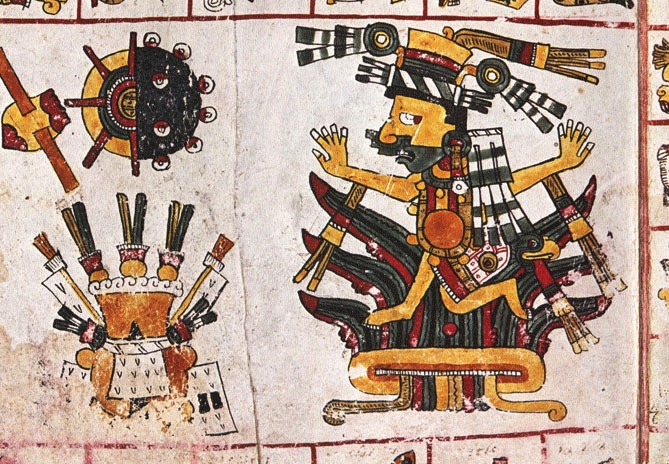
goddess Mayahuel

The goddess Mayahuel

The maguey or agave plant is often mistaken for sábila (aloe vera), but is not closely related. Nor is it a cactus. The maguey can grow without irrigation and can withstand a great variation of moisture and temperature. It grows wild, but can also be cultivated.It may take 10 to 12 years for a maguey plant to be mature enough to “flower”. The “flower” is a large, obtrusive stalk that grows right from the middle of the plant. After flowering, the plant typically dies. flowering maguey To harvest, the stalk is cut before it blooms, leaving a hollow where the aguamiel (honey water) is collected. This juice can be fermented into an alcoholic drink which the Aztecs called octli, and is now called pulque. For tequila or mezcal, the sap is collected by heating the center of the plant in ovens and then distilled.
pulque god Tezcatzoncatl

The Aztec/Mexica god of pulque wine, Tezcatzoncatl.

According to my trusty source, Antiguo Recetario Medicinal Azteca, this plant is more than just making tequila or pulque. It can treat syphilis, accelerate the formation of scarring on wounds, cure gonorrhea, can be used as a strong stomach and intestine antiseptic (the sap has antibiotic properties which was also used to kill both staphylococcus aureaus and E. coli bacteria) and is useful as a laxative. Additionally, Bernardino de Sahagún attested in his book Historia General de las cosas de la Nueva España, that aguamiel was also used as a treatment for sore throats by the Aztecs.
drinking pulque

Drinking pulque.

Antiguo Recetario Medicinal Azteca suggests that for syphilis treatment, water and 10 drops of the sap from the root of the maquey should be drunk in the morning and 10 drops in the afternoon on the first day of treatment. The second day the dosage should be 20 drops and so on until 200 drops are ingested in each day. For aid in scar formation, heat the pencas (leaves) and squeeze out the juice much as you would with aloe vera. (See Animal Doctoring) The juice should be boiled with a little sugar until thickened. The salve should be placed on a cloth and tied around the wound. Gonorrhea can be treated by drinking the 1/4 cup of cooked aguamiel (maguey juice) for 15 days. For stomach and intestine cleansing, it is recommended to drink one glass of aguamiel with breakfast. While most pharmaceutical companies would poo-poo the use of maguey in treatment, these recipes have been around a long time and there may be some basis for using maguey medicinally. maguey agave We have even used the maguey penca in cooking goat. We dug a large hole and lined it with rocks which we then lined with dethorned maguey leaves. The goat was cut into pieces and put in a pot and then the hole was topped with another maguey leaf. The meat cooked, or steamed, overnight and was as tender as could be. Delicious!

**************************************************************

Interested in natural remedies? Uncover herbal remedies from traditional Mexican sources for healing and wellness in the Exploring Traditional Herbal Remedies in Mexico series.

7 Comments

Filed under Health, Native fauna and flora, Natural Healing, Religion