Hello again. I’m sorry for the unexpected absence, but I had a little accident and I’ve only been “allowed” to type again for a few days, and with just two fingers on my left hand. I’ll write about that another day. Today it’s all about moving from beautiful, arid, mountainous Queretaro to beautiful, humid, sea level Merida.
We had been planning to move because I’m a southern girl used to lots of humidity and the dry air was really wreaking havoc on my sinuses. My husband got a job offer in Merida, so I started looking at rental houses online. We hired someone to go look at the house I found, and we were off to the races!
We used the same mover who moved us from the states to Queretaro, who I have recommended to numerous people, but this time the experience was horrible, for a hundred reasons. The biggie was that when the truck’s hitch receiver came loose and dropped the trailer in the highway, the driver was going to leave the trailer (and us!) there in the highway in rural Tobasco after dark with no lights, at the bottom of a tall bridge, no way to signal oncoming traffic to change lanes, no way to call for help. Not on the shoulder, not on the side on the road, actually IN the highway, a dead duck sitting in the traffic lane exactly where we dropped.
For the first time ever, I played the crazy gringa card and I used words that I have never used in my entire life, repeatedly, and very loudly. And it worked. The Green Angels arranged a tow truck to pull the trailer to a hotel parking lot, costing us just shy of a month’s rent, and we waited while the driver went to get his truck repaired and we got back on the road.
I don’t tell that story to make anyone afraid of moving to Mexico. This was a super scary, but isolated experience. We move freely in Mexico, and I have driven to the border alone multiple times and have never been afraid. The Green Angels patrol all the toll roads in Mexico and offer free roadside assistance. Every policeman who has ever stopped me has been courteous and polite, and Mexican people, in general, are kind and generous and welcoming. The guy we hired is a US citizen, a dual citizen actually. Just saying.
But that’s all behind us now! We did ultimately make it to this beautiful city of sunshine and palm trees. We have a cute little house with a big yard, a big kitchen, and a front porch.
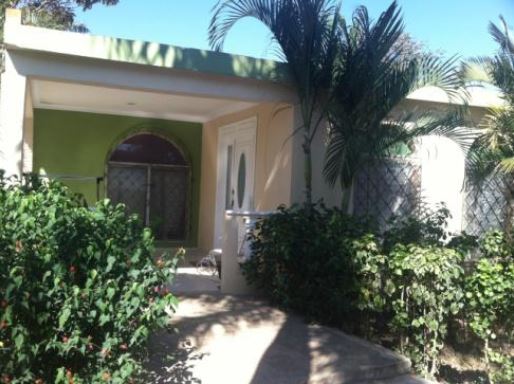
There’s even a pool, a fresh well water, non-filtered, non-chemical pool. Not that we were looking for a pool, and we probably won’t use it unless we have visitors. Hint, hint to friends and family, direct flights to Merida from lots of US and Canadian cities!
We’ve had a few 104 degree days since we arrived in February, but most days only hit the mid-90s. The heat makes it uncomfortable to cook in the afternoons, and so we try to prepare foods in advance to keep in the fridge, beans for snacks and light meals, boiled eggs for tuna, deviled eggs, salads, and straight up protein snacks, toasted sesame seeds for hummus, celery sticks for PB dipping.
We are eating more tomato sandwiches, more salads, more fruit. We can get a pineapple for ten pesos and oranges grow on trees in the backyard. But I also admit that on more than one occasion, I’ve had chocolate ice cream for breakfast and beer for lunch. For the first time in my life, I’ve developed a taste for beer, and find it more refreshing than water when sweat is dripping off the end of my nose.
One of our favorite light meals is a bean and corn salsa served with corn chips. Back in North Carolina, everyone has a favorite variation of this recipe, usually with black-eyed peas, Mitchell’s white shoepeg corn and Italian dressing. Here in Mexico, I use black beans and yellow corn, and the dressing is a simple lime vinaigrette. It’s so quick and easy to put together, delicious and healthy.
Dice two tomatoes, one onion, one half of a bell pepper, two serrano peppers, and a bunch of cilantro. I remove the seeds from the tomatoes, but you don’t have to. I don’t remove the seeds from the chiles, but you can if you want to. I like green bell peppers in this, but you can use any color you like. I like red onions, but you can use any onion you like. I also like to throw in a few thinly sliced green onions, which you can opt to do or not do. You know my motto. Make it your own.
Add two cups of drained firm beans and two cups of corn. You can use black beans, black-eyed peas, red beans, or any other firm bean for this dish. You can use canned white or yellow corn, frozen corn, or fresh cooked corn when in season. Add more or less of whatever you like. Make it your own.
 In measuring cup, add the juice of two limes, a quarter cup of oil, a teaspoon of salt and a half teaspoon of black pepper. You can use olive oil or whatever vegetable oil you like. A lot of recipes call for more oil, and you can certainly increase it if you like, but in small amounts at a time.

Whisk the dressing together, pour over the veggies, and toss. Chill for at least an hour, overnight if you can. Toss again before serving, and if you want to add avocado, do that at this point. Serve with corn chips or toasted pita chips.

This is a super healthy, high protein, filling, delicious dish to serve on hot days! Enjoy!
*************
Like what you see? Check out more from Geneva at Southern Comfort Food Mexican Style!



 Fiesta honoring the Virgen de Guadalupe at the home of Fidel Cruz and Maria Luisa Mendoza, Teotitlán del Valle.
 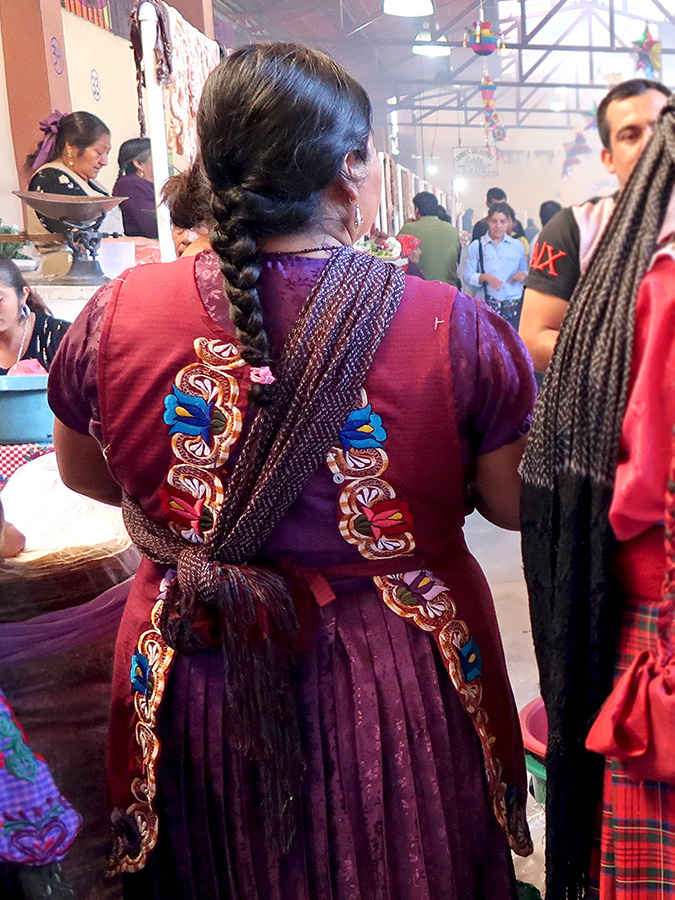 Vendor at the Sunday market in Tlacolula del Valle.

 Did you know that you have options when buying tortillas? Of course, you’ll want to buy them from a tortilleria rather than from the cooler in the aisle at Bodega because they just taste better. But, a true tortillas connoisseur is even more selective when it comes to the staple food product of Mexico.