Tag Archives: te de limon

Natural Healing — Zacate Limón

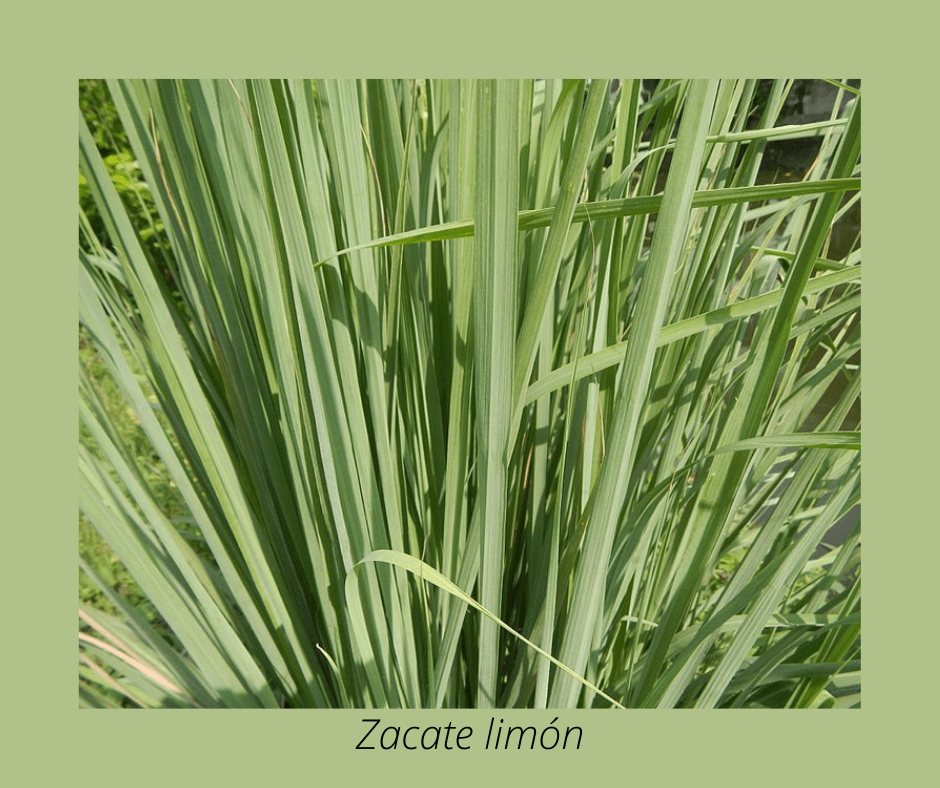
Cymbopogon citratus Photo credit: Judgefloro

Zacate limón (Cymbopogon citratus) is also known as té de limón, limoncillo, limonaria, hierba de limón, cedrón pasto, pasto de limón and lemongrass. It’s uncertain when zacate limón arrived in Mexico. Some sources claim that Francisco Hernández mentions it in his book about Mexican indigenous remedies. However, I was unable to verify that. The word zacate comes from the Nahuatl term zacatl which means grass. Since limónes aren’t native to Mexico and weren’t found in the country until after the Spanish conquest, it’s not a term that is found in Nahuatl and none of the zacatl terms in Hernández’s writings match the description of zacate limón. Therefore, it’s probable that zacate limón is another herb brought by the Spanish friars. 

Zacate limón has antiamoebic, antibacterial, antidiarrheal, antifungal, antimalarial, anti-inflammatory, antiparasitic, antibiofilm, antimutagenic, anticancer, antitumor, and antimycobacterial properties. It also contains antioxidants and functions as a neuroprotective and vasorelaxant agent. It is an effective botanical insecticide as well.

Traditionally, zacate limón is used to lower blood pressure, reduce muscle pain and migraines, treat colds, fungal infections, and diarrhea. A daily decoction of zacate limón after meals or before breakfast with milk is prescribed for stomach ailments. For nausea and vomiting, an infusion is made combining zacate limón and yerba buena (Mentha spicata). To lower blood pressure, three cups of a zacata limón are recommended.  A compress can be made by boiling entire leaves and then applying it to infected areas. Some areas also use the dried leaves or the root as a tooth whitener. For a refreshing summer drink, combine leaves from orange (Citrus × aurantium) or lime (Citrus aurantifolia) trees and zacate limón. The section of grass closest to the root will give you the best flavor.

Zacate Limón and Jengibre Energy Drink

  • 2 tablespoons grated jengibre root (Zingiber officinale) 
  • 2 chopped full stems of zacate limón (Cymbopogon citratus)
  • 3-5 flores de naranjo (Citrus × aurantium)
  • 1 teaspoon yerba buena (Mentha spicata)

Add the ingredients to two cups of boiling water. Allow it to steep for 10 minutes. Strain. Add miel (honey) if desired. Serve hot or cold.

***

Looking for practical plant remedies for common ailments? Find the benefits of over 60 traditional Mexican treatments for health and wellbeing in the Exploring Traditional Herbal Remedies in Mexico series.


2 Comments

Filed under Health, Natural Healing

Natural Remedies — Lime Leaf Tea — Té de Limón

The other day we were going through our morning routine and discovered, to our horror, that we were out of coffee!  Never one to be dismayed by such trivialities, my husband ducked out back and plucked a few leaves off our limón tree.  Quite soon we had ourselves a nice cuppa of té de limón. Despite what google translator says, we don’t have a lemon tree in the backyard.  It’s a LIME tree, specifically a Mexican lime tree (Citrus aurantifolia Swingle). The Mexican lime was actually introduced to Mexico by the Spaniards in the early 1500s.  That didn’t stop the author of my little herb book Antiguo Recetario Medicinal Azteca from including it though.   We use limes on about everything from tacos to cucumbers. Delicious! So let me tell you about the health benefits of regular lime consumption. Lime juice prevents scurvy.  Lest you think that this is irrelevant in this day and age, 6 to 8 percent of the general population in the United States are thought to have scurvy-level deficiencies.  Scurvy is especially prevalent among the poor, homeless and college students.  Adding lime juice to food prevents cholera. Not to alarm you, but in 2016, there were 132,121 cholera cases and 2420 deaths attributed to cholera reported worldwide.  Cholera resistance seems to be a very positive benefit to lime consumption in my book. The peel and leaves have been shown to reduce the oxidative degeneration of cells in neurodegenerative diseases like Alzheimer’s. Lime prevents cancer.  It slows cancer’s progress.  It destroys cancer cells. It is toxic to pancreatic cancer cells.  A high citrus diet combined with green tea consumption reduces your chance of getting any type of cancer incidences. Lime relieves muscle spasms. Lime is rich in fiber, vitamin C, folate and potassium, all good for general health. Limes are helpful in the treatment of diabetes. Combined with garlic, lime juice decreases blood glucose levels.  (See Garlic Tea) It’s great for cardiovascular health! Lime juice and peel have been shown to be effective in treating atherogenesis, plaque formation in the arteries, lowering high blood pressure and reduces triglycerides, cholesterol, and LDL.  Including limes and other citrus fruits in your daily diet reduces the chance of developing cardiovascular disease, especially cerebral infarctions. Lime leaves are a good source of natural antioxidants and antimicrobial compounds and are comparable in their antibiotic effect to standard antibiotics such as tobramycin, gentamicin sulphate, ofloxacin, and ciprofloxacin. Regular lime consumption has been proven to help protect the liver from toxins. Limes can help prevent and reduce the severity of osteoporosis. Limes are antifungal and antiparasitic. Lime juice is recommended for preventing and treating urinary tract infections. With all this medicinal good stuff in such a small thing, it’s worth reconsidering putting the lime in the coconut and drinking it all up.  
Not quite so adventurous?  You can still enjoy the health benefits by adding a little lime leaf tea to your diet, here’s how. Pick and wash a handful of medium-sized leaves.  Add to a liter of water.  Bring to a boil.  Reduce the heat and simmer for about 10 minutes.  Allow to cool enough to drink.  Add a drop of honey for sweetening if you like.  Enjoy.

*************************

Interested in natural remedies? Uncover herbal remedies from traditional Mexican sources for healing and wellness in the Exploring Traditional Herbal Remedies in Mexico series.

4 Comments

Filed under Mexican Food and Drink, Natural Healing