Category Archives: Homesteading

Second CFE Billing Cycle

After the dispapaye (chaos) of the last billing cycle, we were determined to get our ducks in a row before the next. We started with the list of 8 meters which were not in the system or entered incorrectly and the incorrect numbering (lots instead of official numbers). Super Prez created a list requesting the lot numbers be changed to the official numbers, and every colono with electricity signed it. As I mentioned before, the municipio had granted Super Prez the authority to generate the official numbers and he had a letter to that effect from the presidencia (town hall). However, when he presented the list to the local CFE office, they called the regional CFE office, which said that it wouldn’t do. 

Meanwhile, the restructuring at the CFE main offices was going on. If you recall, CFE begged off from attending our convivio (community gathering) in November because several higher-ups, including the local representative, had been fired for corruption. In the free-for-all that followed, the CFE supervisor who oversaw the electricity installation in La Yacata was promoted to fill one of the vacancies. While that might be perceived as good, as he was aware of our situation, it didn’t seem to matter any. He came on a site inspection with one of the more senior supervisors who threw a fit, saying we committed fraud as we certainly didn’t qualify for this federal program. 

Super Prez was summoned to the regional office to account for our sins or some other such nonsense. The gathered CFE overseers accused him (and us) of misrepresenting La Yacata so we could receive this federal grant. Super Prez explained that the grant was a complete surprise to us. He then turned it around and told them to check their records to see who had approved the project. He waited while they dug around. They came back chagrinned. The application had one signature, a colono, not even on the mesa directiva (board of directors). None of the information about the status of La Yacata had been filled out, because, not surprisingly, the colono didn’t know any of it. 

So what we believe happened is that at some point a year or so ago, a CFE grant scouting party stopped by and came across the colono sitting in front of his house. Instead of sending them to me up the road, this colono took it upon himself to become the community representative, and the grant scouting party accepted that. Since the grant money had to be spent and we obviously needed electricity, the scouting party submitted the application, which somebody approved. We first heard of the grant when CFE showed up with a plan and start date. We certainly weren’t going to look a gift horse in the mouth and gladly accepted. 

Anyway, with some grumbling, the issue was dropped. However, it took several more trips to the regional and local CFE offices for the official numbers generated by Super Prez with full municipal authority to be accepted. 

When that happened, Super Prez also got the go-ahead to connect the 39 muretes (posts) and fincas (buildings) that had not been included in the initial project. I worked with each colono to gather the required photos and documentation. (See Downed Lines and New Connections

When the first additional solicitud (application) was finally ready, I handed the folder of items off and told the colono to go at 9 am Monday to the CFE office. He did, and on Tuesday, CFE zoomed into La Yacata, found me walking Cocoa, and asked for directions to the house. The electricity was installed that very day. 

Now that we had official numbers, we needed to put them up on the walls. I bugged and bugged, sending messages and calling colonos so that they would put those numbers up before the next CFE bills arrived. We still didn’t have the street signs up, but the numbers started popping up. It made my heart glad! Things were beginning to feel like a community instead of a wasteland. 
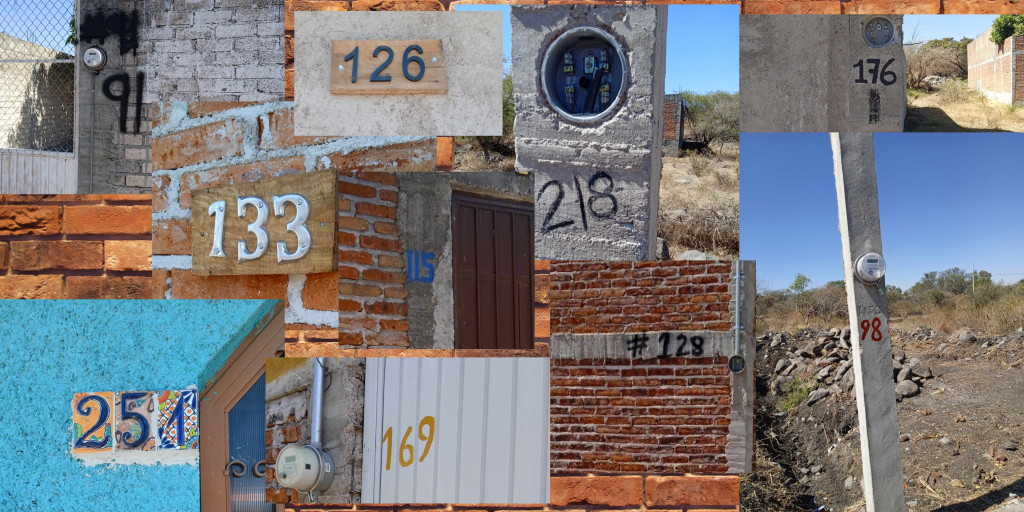
Turns out, all that effort wasn’t needed. When the CFE delivery guy came, he encountered the same colono who had made himself the official representative for the grant. He handed over the entire stack of recibos. The colono didn’t want to be responsible for all those bills, so he brought them to my door. I sent the word out that I had them for everyone to come and pick up. There were still four missing bills and two others that I wasn’t sure were correct. Well, I suppose we have to take what we get. I sent the two I thought were incorrect to the CFE office with pictures of their meters and the bill and told the other four that we’d wait for another billing cycle and see what happened.

****

Want to read about the first failed attempt at modernization in La Yacata? Check out La Yacata Revolution: How NOT to Buy a Piece of Heaven in Mexico available on Amazon.
Leave a comment

Filed under Electricity issues, Homesteading, La Yacata Revolution

Rosie Mula

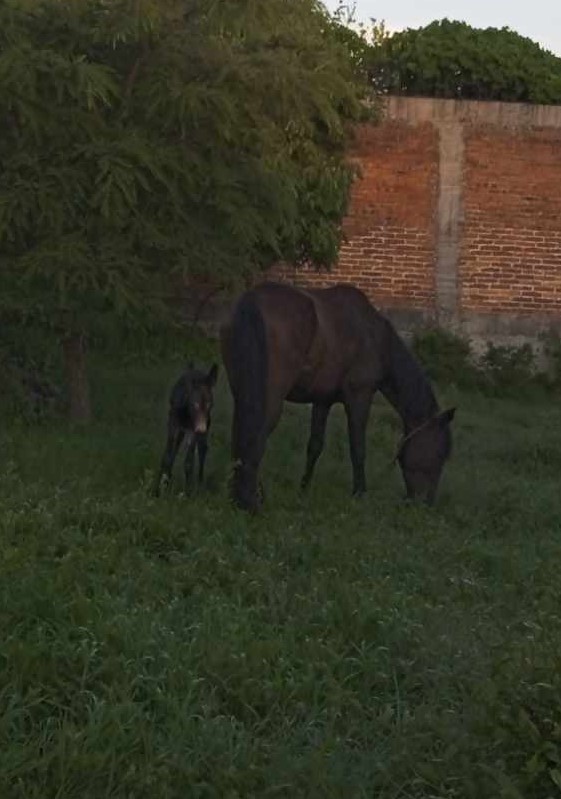
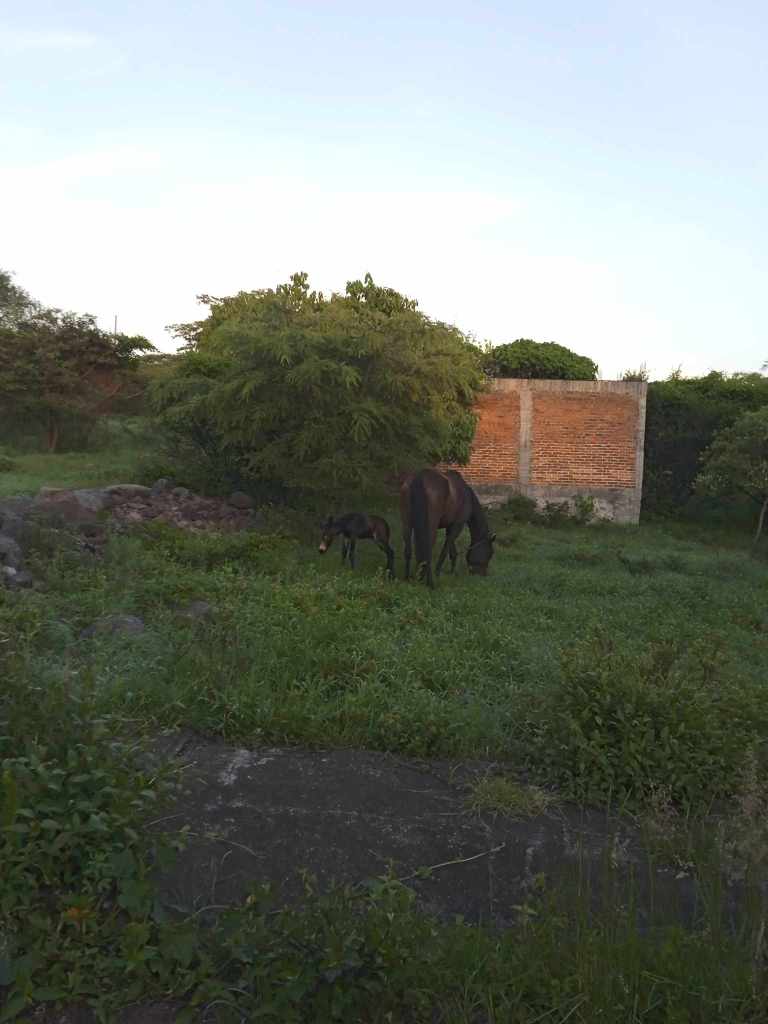
This morning, we were awakened by the sound of a little whinny that did not belong to Lady. It seemed that little Miss Rosie Mula had arrived. 

Obviously, by her surname, you can guess that Rosie is a mule, not a colt. My husband bred Lady to a donkey last year, the date coinciding with one of the annual cabalgatas (community horse rides). He’d been waiting impatiently for three months or more, not completely convinced that Lady was actually pregnant, even though she had the obvious signs of pregnancy, a swollen abdomen and udder. He kept doing the calculations and said that she was way overdue, as horse pregnancies are typically 11 months. Then he did the calculations again and swore that a mare’s first pregnancy always lasts 12 months, just like a woman’s first pregnancy is ten months. I told him he was full of hooey since a human’s pregnancy is always 40 weeks (or ten months), whether it’s the first pregnancy or last. But remember, his mother swore her pregnancies (all 11 of them) only lasted eight months. 

Anyway, I did a little research and discovered that the gestation period for a mare carrying a mule foal is typically around 11 to 12 months, whereas a colt pregnancy is, on average, 340 days. So, Lady’s pregnancy was just as long as it needed to be, which ended up being 12 months and a week if my husband’s calculations were correct, which I’m not entirely convinced they were.

I also learned a little bit more about mules and will share this information with you because I know you’re dying to know. A mule results from breeding a male donkey, known as a jack, to a female mare. Mules typically have the body shape and size of a horse but with long ears, a tufted tail, and sturdy, compact body of the donkey dad. They can vary in size depending on the breeds of the horse and donkey parents but are generally similar in size to horses and come in various colors. 

Female mules, like our Rosie, are called mollies and are generally sterile due to the difference in chromosome numbers between horses (64 chromosomes) and donkeys (62 chromosomes), resulting in mules having 63 chromosomes. This odd number typically prevents the formation of viable eggs or sperm. Although extremely rare, there have been cases of mollies reproducing when bred with a horse or donkey. Hmmm.

Mules are known for their intelligence, patience, endurance, and sure-footedness. They are often considered more cautious and less flighty than horses. They also often have superior strength and stamina than horses of similar size. Lady is an excellent work-horse, plowing the fields until this last week. She’s also incredibly smart. Remember the goat door opening incident? We’ll see how these characteristics develop in Rosie. 

Lady has already proven to have all the hallmarks of an excellent mother. She nickers at Rosie, and Rosie obeys. Over the years, some of our nanny goats have totally failed at motherhood, but not one of our mares. 

It’s always nice to have a baby around, no matter what the breed. 

**********

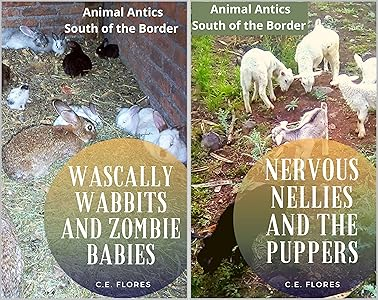
Want more homestead animal stories? Check out the Animal Antics South of the Border series!

Leave a comment

Filed under Animal Husbandry, Homesteading

Pozo Update

The last video of the interior of the pozo (well) ran into a hitch because the water was dirty, and the camera couldn’t get a good picture of the bottom. So Super Prez had a bulto de cal (lime) dumped in and added more water in the hopes that the sediment would fall to the bottom and a clear image could be obtained. 

The video was then delayed because the camera broke. Finally, another company was hired, and a video was taken. The results weren’t terrible, but they weren’t as definite as we would have liked. 

The camera was able to film to 174 meters before running into the rock that had been demolished but not removed. The supporting tubing was 10 inches rather than 12 inches and of inferior quality. Super Prez said that we could insert a better tube inside the tubing that doesn’t meet the specs as reinforcement. That would also “fix” the damage caused by the giant boulder being thrown in. 

The company that agreed to clean the pozo was scheduled to come out the week of Semana Santa. Then, we would see how bad the obstruction was. However, it was a full month later before they finally arrived. 

When they did, the truck with the machinery zoomed past me while I was out walking the dog. It barrelled up the road to the pozo and less than 15 minutes later, I heard the machinery hammering away. Super Prez arrived shortly after and took some pictures. The first day (or ¼ day, as it were) went well. The crew did not show up the next day and was delayed the third day with a flat tire. They did finally return and worked about an hour more to remove the debris.

Another video was taken, and the well ended up being 239 meters deep, more than what we needed. Hooray! This information was then submitted as evidence to the water and sewer office (El Sistema Municipal de Agua Potable y Alcantarillado).

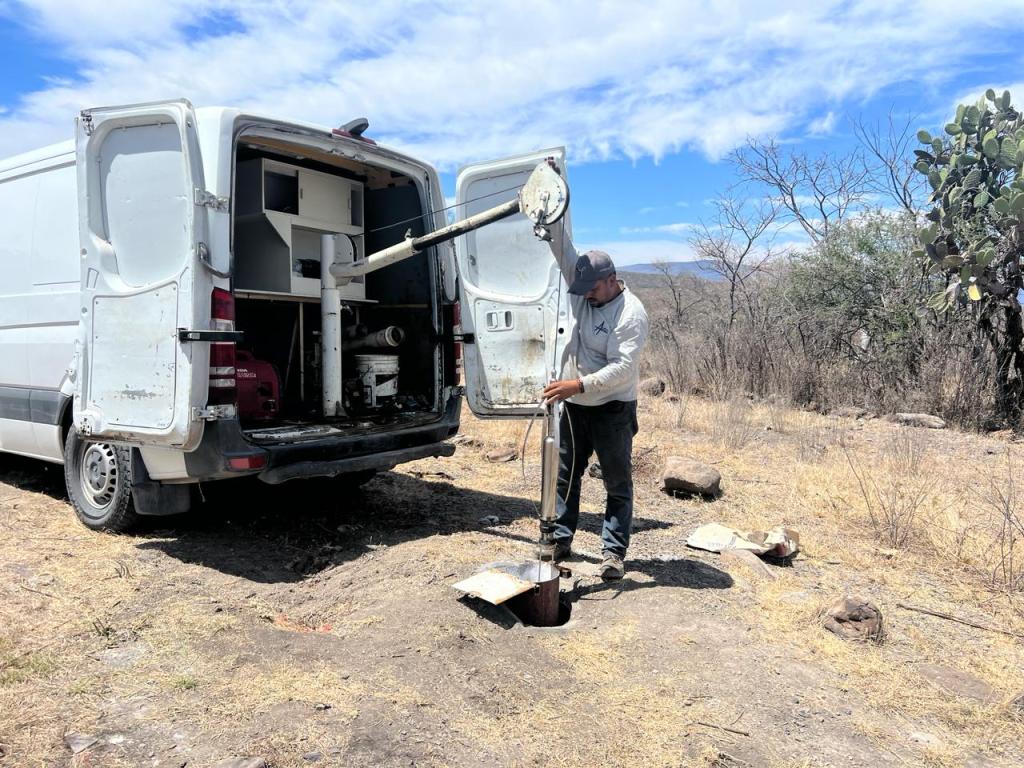
So now that we knew the well was deep enough, it was time to determine if there was enough water to support our little community. And for this, we’d need someone to conduct el aforo (water volume study).  Super Prez gathered several bids and finally picked a company out of Cuitzeo, about 20 minutes away. It took them about a month to get her, though, with one delay after another. Several times, they sent pictures of the truck all ready to roll, only to call back the next day with another excuse. 

I was all for hiring another company at that point, but Super Prez said they were substantially less costly than any of the others, that the were known for quality work, and that we would need that money we saved for other items. So we waited. 

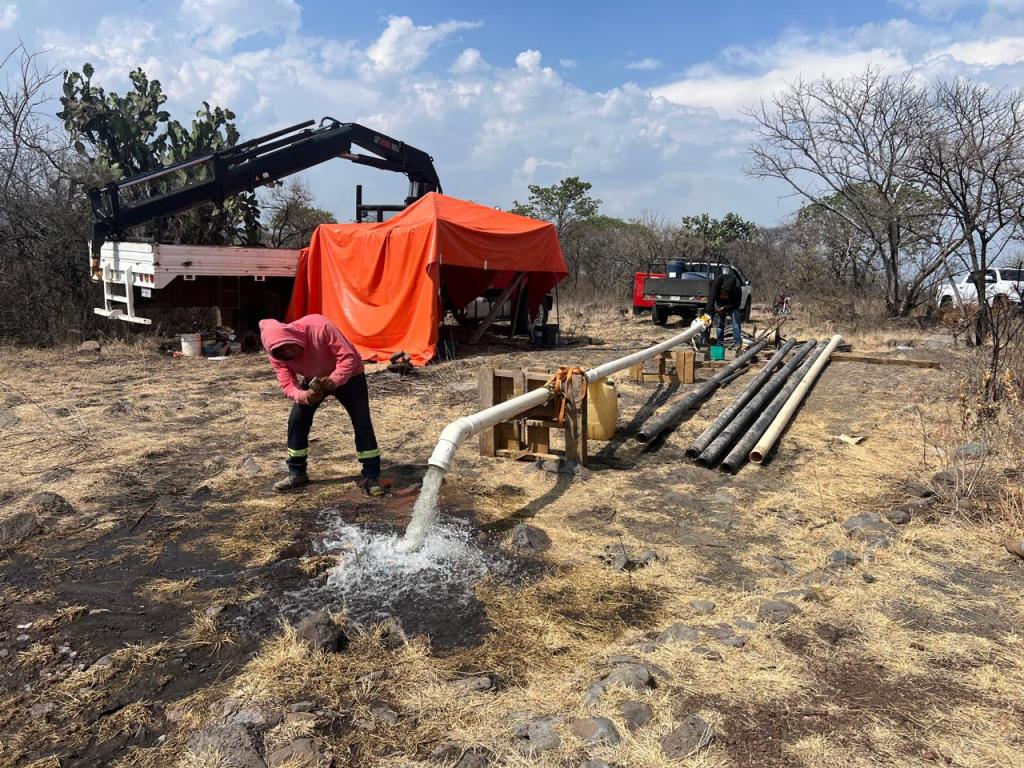
Finally, the last week of May, they arrived and immediately started setting up. This involved inserting tubes and connecting a pump. They would pump the water from the depths of the well over several days and determine how long it took for the groundwater to replenish itself. We originally were going for 48 hours, but ended up doing 36 hours with the approval of SMAPAM. After all, we were in a drought, and we didn’t want to be excessively wasteful. 

The water was not hot but lukewarm. The pozo dug last year at the intersection had issues with the temperature of the water. It came out too hot to use without mixing it with cooler water. Not this baby. 

The quantity of water was phenomenal. For the first 24 hours, it came out at around 13 liters per minute. After that, it remained at a steady 9 liters per minute. We needed only 1 liter per minute to cover the current residents’ needs, so we were all good there.

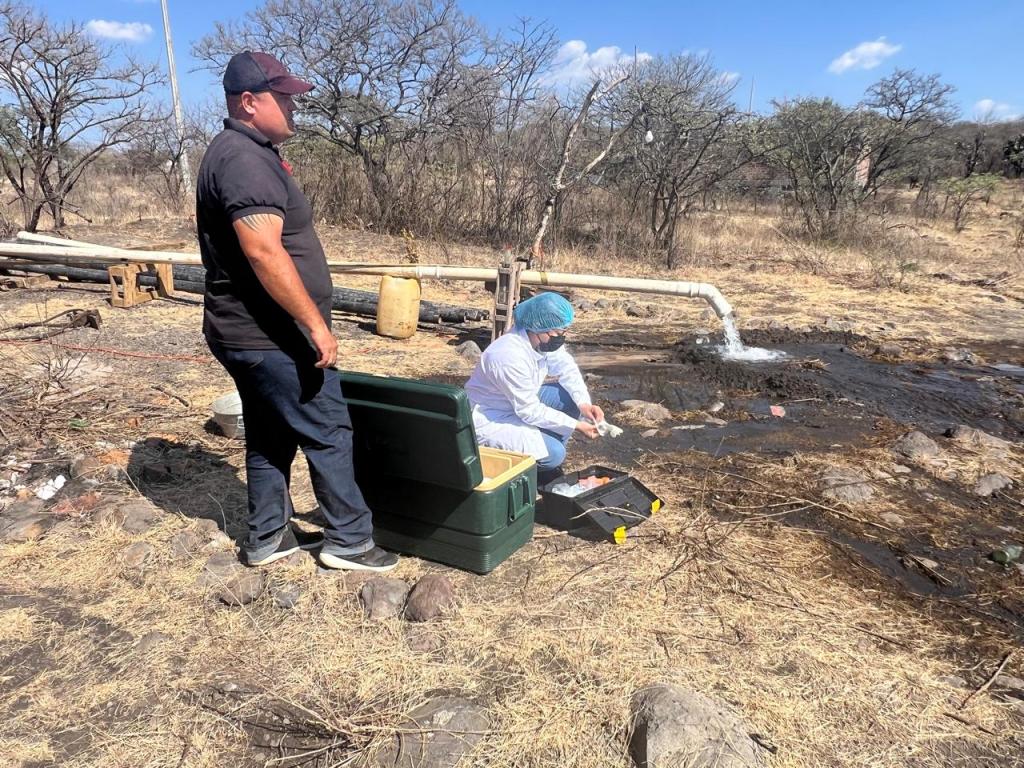
Mid-way through the aforo, the water analysis people came out to take samples. These were sent to the laboratory, and we’ll have the results in about 3 weeks. We have a lot depending on the favorable conclusion of this final study.  

While all these shenanigans were going on, CFE (Comisión Federal de Electricidad) paid a surprise visit to La Yacata and brought some totally expected but welcome news. More to come.

********

Not sure what’s going on? Get the backstory from La Yacata Revolution: How NOT to Buy a Piece of Heaven in Mexico.

4 Comments

Filed under Homesteading, La Yacata Revolution