Category Archives: Death and all its trappings

La Llorona Returns

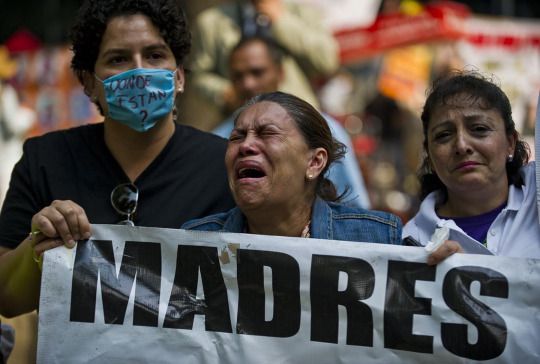
mother1

There have been a rash of horror movies made recently, even an animated cartoon, about the legend of La Llorona (The Weeping Woman). It seems a bit tawdry that this Mexican myth has been regulated to the same genre as The Nightmare on Elm Street and other such slasher movies.

As with any story, there are several versions of this legend. In one version, La Llorona roams the streets weeping for her children who have accidently drowned in the canals. In another version, the children of La Llorona are murdered by their father. In yet another version, La Llorona drowns her children herself in a fit of insanity when the father of the children, a Spaniard, abandoned the family and married another.
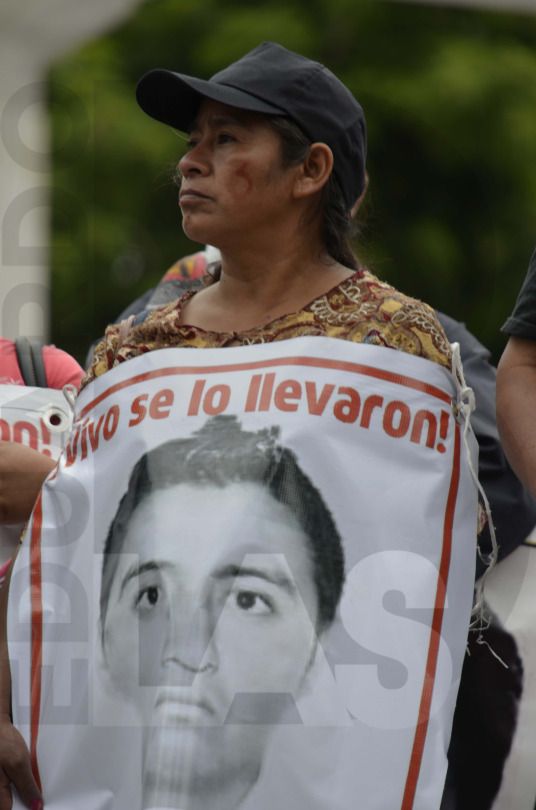
mother2

Most experts agree that the basis for the legend most likely comes from the goddess Cihuacoatl of Aztec mythology. She was one of several goddesses of motherhood and fertility and the mother of Mixcoatl.  Myth states that she abandoned her son at a crossroads, but often returned there searching for her lost son.
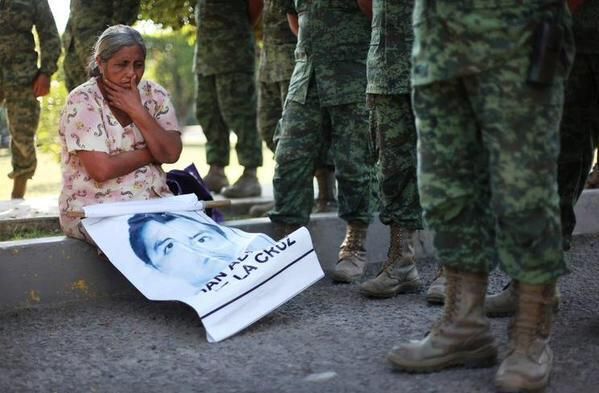
mother3

La Llorona, Cihuacoatl, or perhaps another aspect of the goddess in the form of Coatlicue, was reported to have appeared prior to the conquest of Tenochtitlan by Hernan Cortes. The Florentine Codex record her words as “Ay mis hijos! Ya se acerca la hora de irnos. Ay mis hijos! ¿a dónde os llevaré? (Oh, my children! It is nearly time to leave. Oh, my children! Where will I bring you?)
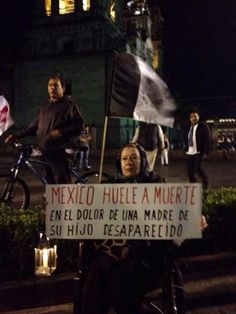
mother4

Some believe that La Llorona was actually La Malinche. La Malinche, whose given name was Malinalli, then Marina once baptized, served as interpreter and advisor to Hernan Cortes. She did have two children. Martin was the son of Cortes. Maria was the daughter of Juan Jaramillo. There is no evidence that Malinalli murdered her children. On the contrary, her children were forcibly taken from her when both men abandoned Malinalli to marry titled Spanish women.

mother5

The legend of La Llorona reappears in the 1700’s. In the colonial version, a young indigenous girl is abandoned by her Spanish lover. In a fit of insanity, she drowns her children. When she recovers her senses and realizes what she has done, she drowns herself. She appears before the gates of Heaven where she is asked the whereabouts of her children. She is denied entrance and sent back to Earth to search for them, condemned to spend eternity trapped between the living and spirit world.

bridge

Some versions of the legend claim that La Llorona kidnaps children out at late at night and drowns them. She is said to appear in the late evenings near the rivers and lakes of Mexico City. Hearing the cry of La Llorona is said to be an omen of death.

The name most often given to La Llorona in most versions of the legend is Maria, which is fitting. Maria (Mary) had a son who was forcibly taken, tortured and executed by the state. (John 19) And Maria, in the form of the La Virgen de Guadalupe, is the embodiment of Mexico.

child1

Today, La Llorona’s cry is heard again in Mexico. One year ago, September 26, 2014, Mexico, in a fit of insanity, murdered her children of Ayotzinapa. How long will she weep, searching for her children?

Ah mis hijos!

*****************************************

disclosure

5 Comments

Filed under Death and all its trappings, Mexican Cultural Stories, Safety and Security

May Holidays in Mexico–El Dia del Estudiante–Students’ Day

In Mexico, it is more dangerous to be a student than a drug trafficker.

In Mexico, it is more dangerous to be a student than a drug trafficker.

El Dia del Estudiante (Students’ Day) commemorates the violent beating of students by police in a protest march in 1929 at the National University in Mexico City (UNAM). The protest was over political involvement at the University and the day has been kept as a reminder of the educational freedoms fought for over the years.

tlatelolco-1968

Tlatelolco massacre 1968

Violent student repression did not end in 1929 in Mexico. The Tlatelolco massacre occurred on October 2, 1968, in Mexico City, 10 days before the opening of the 1968 Summer Olympics. It remains unknown how many students and civilians were murdered by military police. Official reports and eyewitness accounts cite anywhere from 30 to 300 deaths with more than 1,300 arrested, many of whom were never heard from again. In light of events in 2014, this holiday has come to the forefront nationally in Mexico. In case you live under a bushel basket or only believe what the news reports, here’s why.

teacher protest

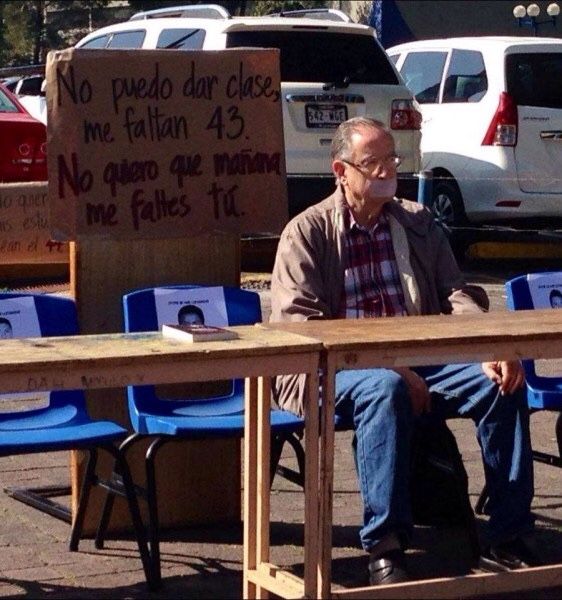
The teacher daily set up 43 empty desks in memory of the missing students of Ayotzinapa. The sign behind him reads “I can’t teach class, I’m missing 43.  I hope that tomorrow, I’m not missing you.”

A group of students from Raul Isidro Burgos Rural Teachers College arrived in Iguala, Guerrero for a protest march.  A group of university students from Raul Isidro Burgos Rural Teachers College of Ayotzinapa traveled to the small town of Iguala, Guerrero for an organized protest march on September 26, 2014. This particular school has a history of social activism, including protest marches, road closures, demonstrations, and rallies. These public manifestations are designed to draw attention to the difficult living situation and lack of educational opportunities the people in Guerrero have.

Police officers aggressively confronted the protesting students as they arrived in Iguala. In the shooting that followed, 6 people were killed and 25 wounded.

Forty-three students were taken to the police station in Iguala, then to the police station in Cocula. Once in Cocula, they were transported to the town of Pueblo Viejo and turned over to the local members of Guerreros Unidos (United Warriors), a gang involved in drug trafficking. The students have not been heard from again.

found student

In memory of Alexander Mora Venancio

At the insistence of desperate parents, the matter was investigated. Searchers discovered a mass grave near Iguala on October 5, 2014. Later, four more mass graves were found in the area. On December 6, 2014, the body of one student was positively identified through DNA samples. Forty-two families still wait for information about their sons.

At least 80 people have been arrested. More than half of those detained were police officers. The mayor of Iguala and his wife have also been arrested. Investigators discovered that the mayor’s wife is related to the leader of the Guerreros Unidos (United Warriors). However, she was released from police custody due to lack of evidence.

justicia

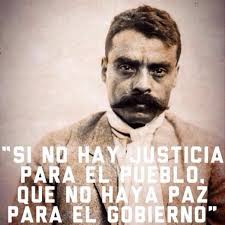
During the Mexican Revolution of 1910, one of its principle leaders, Emiliano Zapata, declared that “If there is no justice for the people, there should be no peace for the government.” With this motto in mind, families, teachers, fellow students and friends have joined together in nationwide protest marches and demonstrations demanding justice for the missing students of Ayotzinapa.

protest
The President of the Mexican Republic, Enrique Peña Nieto, has instructed the Mexican people to return to their homes and forget about this incident. He warned that continued demonstrations would be stopped with military force. As a result, each protest march since the disappearances has been met with violent police opposition. Despite this, the Mexican people continue demanding radical governmental reform, one protest at a time.

prof killed

Profesor Claudio Castillo Peña, asesinado por el estado Mexicano. Professor Claudio Castillo Peña was murdered during a protest march by Mexican federal troops.

So much for educational freedom in Mexico.

Ayotzinapa

Mexican saying which translates as “They wanted to bury us, but they had forgotten we were seeds.” Original artwork by Clau Guzes

May is quite the month here in Mexico. Every time you turn around there is another celebration! For other Mexican May holidays see: El Día de los Trabajadores, Conmemoración del Escuadron de Pelea 201, El Dia de La Santa Cruz y El Dia del Albañil, La Batalla de Puebla, Natalicio de Miguel Hidalgo, El Dia de la Madre, El Jueves de la Ascensión, Pascua de Pentecostés, El Día del Maestro, and El Dia del Estudiante

************************

Learn more about holidays in Mexico!

cover holidays

17 Comments

Filed under Death and all its trappings, Education, Mexican Holidays

The Day of the Dead–El Día de los Muertos

catrin

Explaining the significance of this festival to someone who has not experienced El Día de Los Muertos is challenging. The facts are there, easy to find in Wikipedia or other “impartial” sources, but until you stand in front of an altar built for someone you know, you won’t understand.

There are actually 2 days in the festival known as El Día de Los Muertos. During these days, it is believed that the door between the living and the dead is opened for a time and the spirits of the dead come to visit those that remain behind.

November 1st is known in the area that we live in as El Día de Los Angelitos (The day of the Little Angels) and is a day to remember children that have died. As these are private, family gatherings, there is little to note except that there is typically a mass held for the deceased child (See Luctuoso) and toys are brought to the crypt or tomb and left. Special prayers are directed to La Virgen, who lost her own child, in this time of remembrance.

zapotec figure death life

A Zapotec figure representing the duality of death and life.

The more public and better-known festival is November 2, El Día de Los Muertos and its traditions have more to do with the indigenous Mexican than any supposed Catholicism influence. The prehispanic goddess Mictecacihuatl was known as the Lady of the Dead. She was honored during harvest rituals with fire and incense, images of the dead, food offerings in ceramic vessels and flowers. From these traditions comes the modern Mexican belief that souls continue to exist after death in an area similar to the Catholic Purgatory but once called Mictlan, a place of silence and rest. There the souls waited, not for reward or punishment, but for this day when they can return home to visit their loved ones.

lacatrina

(La Muerte) Death is still a Lady in México, now personified as La Catrina. Most Mexicans like to think that the popular image of the Catrina is ancient, but the truth is this caricature of vanity was first drawn by cartoonist José Guadalupe Posada about 100 years ago to poke fun at mestizos (mixed-blood) or indigenas (native people) that pretended to be European. Diego Rivera first used the name Catrina and helped popularize her in his mural, Sueño de una tarde dominical en la Alameda Central.

suenos de una tarde

Regardless of her origin, La Catrina reigns during los días de los muertos.

face paint catrina

Another Catrina-related tradition is the writing of calaveras literarias (death poems) that poke fun at death. In these short, rhyming verses, La Muerte comes and indiscriminately passes by or takes those mentioned by name in the poem.

calavera_01

frida altar

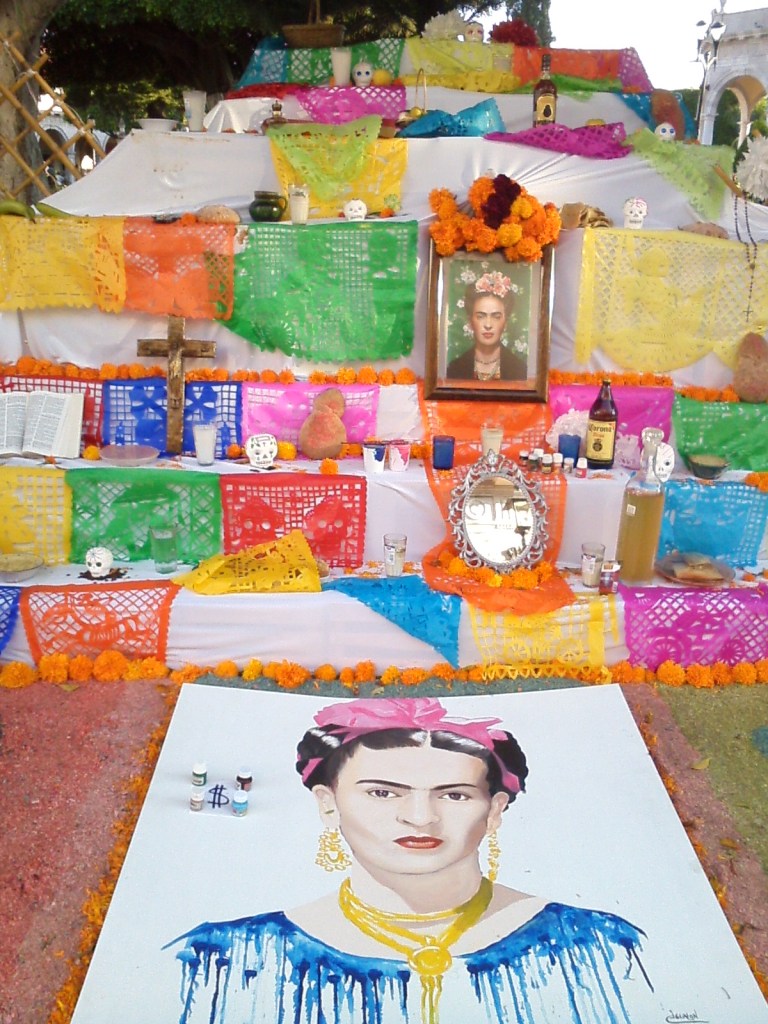
An altar in honor of Frida Kahlo.

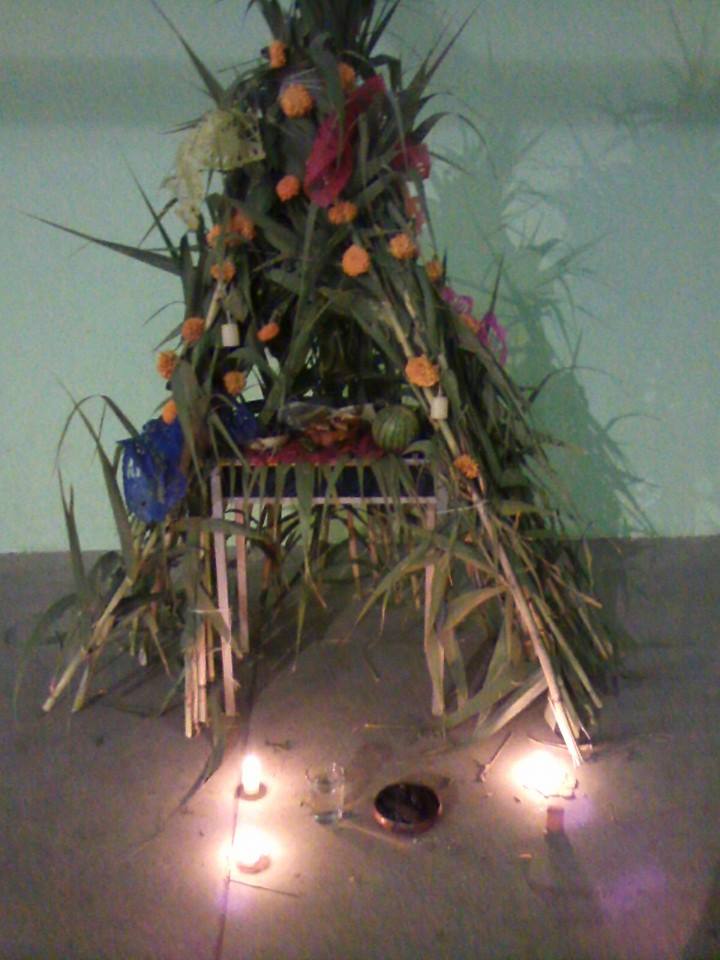
In Moroléon, deceased national and local public figures are honored with altars built in El Centro. More often, altars are built in the homes or at the panteón (cemetery).

baker altar

An altar in honor of a recently deceased local baker including pan de muerto.

ofrenda

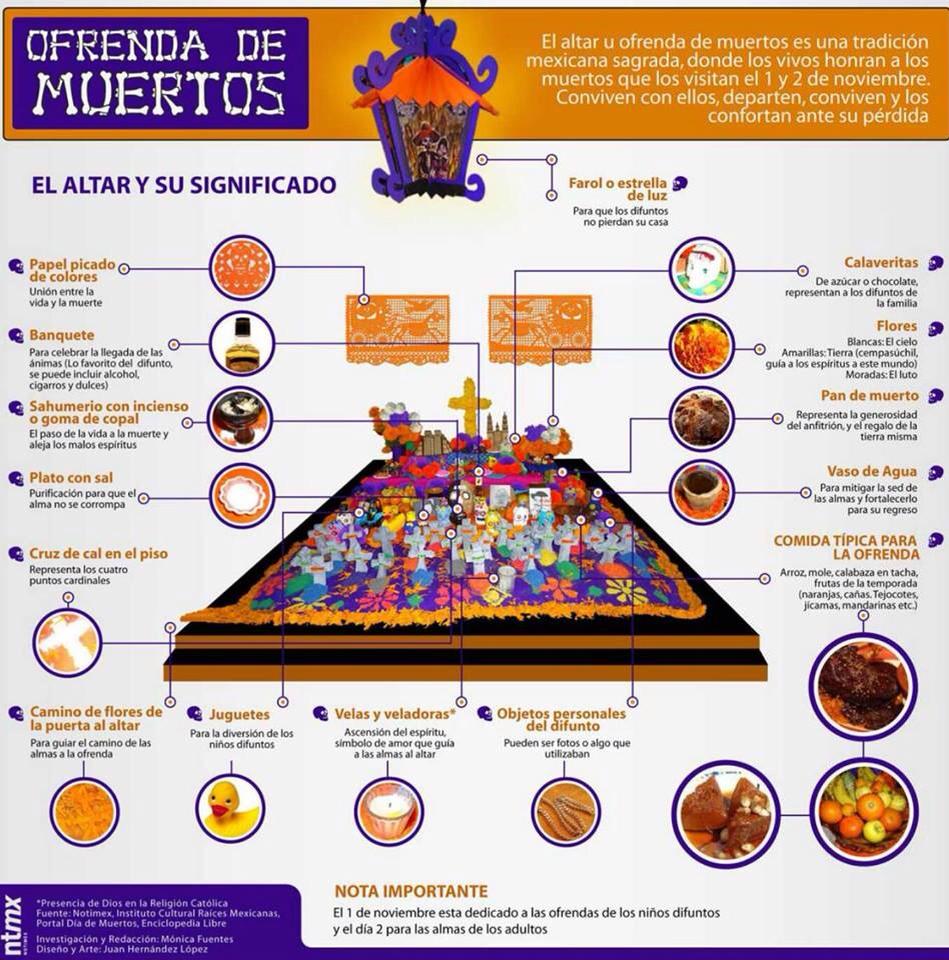
The altars may include marigolds, salt, favorite foods presented in ceramic dishes, pan de muerto (a luxurious sugar bread only available during these days) tequila, candles, incense and special personal items.

flower petal art

Each item has its own special meaning and reason for inclusion.

marigold cross

Marigolds are called Flor de Muerto (Flower of the Dead) or cempasuchil (Flower of 400 lives). I imagine it came by its name due to the fact that each petal has the potential to become a future marigold plant, hence each blossom can have many future lives. The strong scent of the flower is thought to lead the spirits home. Sometimes paths of petals lead from the cemetery to the home.

traditional alter

A dirt cross is included at times to remind the living that “From dust we are and to dust we will return.” (See La Novena)

copal altar

Copal is the resinous sap of a tree and has been burned as incense since the time of the Aztecs as an offering to the gods. On the Day of the Dead altar, the scent attracts spirits, drawing them home. It is also used to cleanse the area and to ward off evil.

cantiflas altar

An altar in honor of the deceased Mexican comedian Cantiflas.

Colorful tissue paper, papel picado, is cut into intricate designs and strung to flutter over around the altar. Holydays throughout the year are marked with papal picado strung over processional routes, reminiscent of their use during prehispanic rituals.

sugar skulls

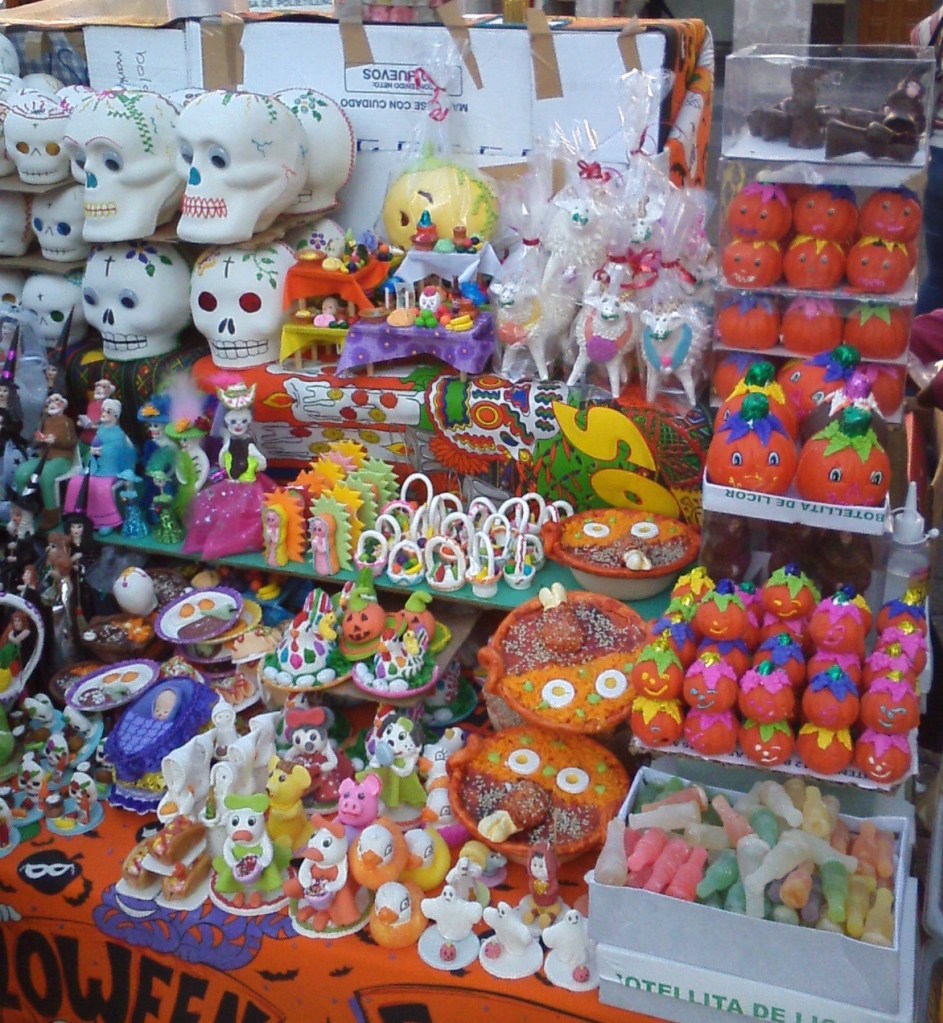
Sugar skulls and figures on sale in el Centro.

You may also find calacas and calaveras on the altars. Calacas (skeletons) are carved wooden or ceramic skeletons often presented in joyous or lewd activities. Calaveras, are sugar skulls made with the name of the dead person written in sugar icing on the forehead and eaten by a relative or friend in honor of the dead.

A crypt decorated for El Dia de los Muertos.

A crypt decorated for El Dia de los Muertos.

At the panteón (cemetery), during this two-day period, families usually clean and decorate graves with ofrendas (offerings). In our case, it meant a trip to my mother-in-law’s crypt, bringing marigolds, candles and a bottle of coke, her favorite beverage. There were hundreds of people at the cemetery, some with lonas (tarps) set up and camp chairs, others perched on buckets playing cards. The families stay long into the night beside the tombs of loved ones telling stories and remembering, weeping and laughing. Some even brought mirrors in hopes of getting a glimpse of the soul as it stops by for a visit. For this one night, the dead are not gone but brought back through the memories of those that remain.

************************************

SOTBS Blog Hop Op1Sq
    Have a Day of the Dead themed blog post?

Link it up here!   An InLinkz Link-up 

disclosure

8 Comments

Filed under Death and all its trappings, Mexican Holidays