Watching Human Rights Slip Away

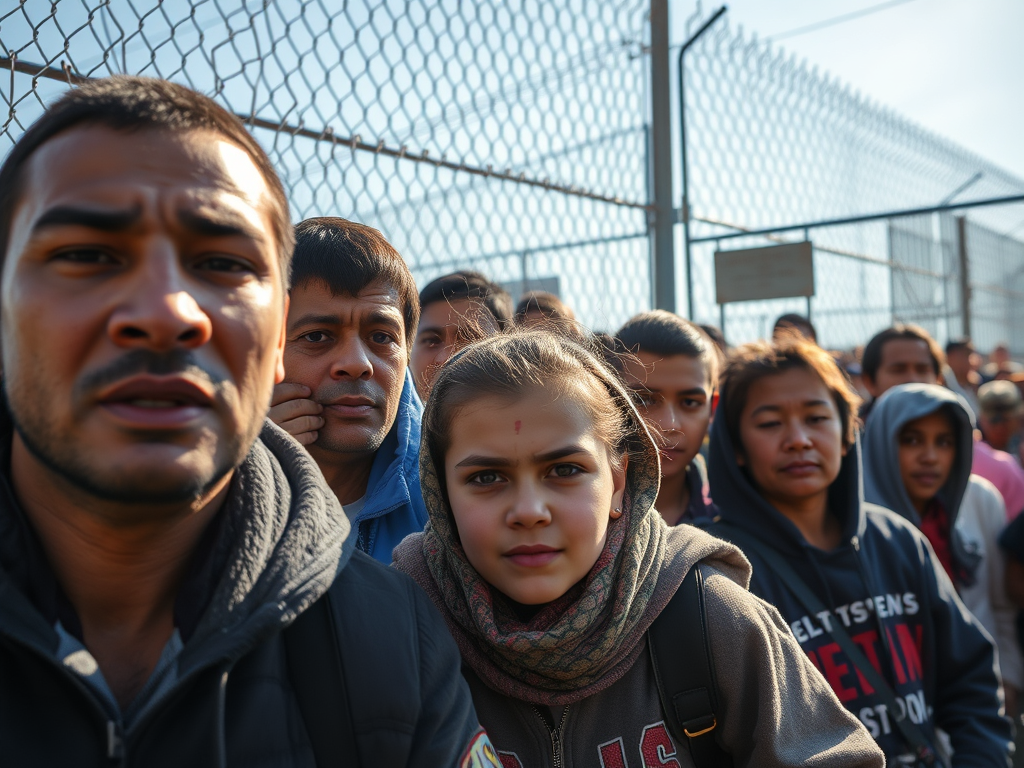
I have to say that the past few months have left me appalled at the actions of the US government. And if current actions are anything to go on, I will continue to be appalled as human rights are stripped from every single immigrant in the land where diversity was once celebrated. 

Because of my community involvement, I regularly come into contact with Norteños (individuals who are Mexican but spend most of their time in the north, otherwise known as the US). Over the past few months, I have been vocal about cautioning them ahead of their intended return when the opportunity arises. The typical response I get is “de lengua me como un taco” which means it’s all exaggerated talk. Some have told me they don’t want to hear anything about it, preferring a head-in-the-sand approach. On their own head be it, then. Others argue that they’ve been in the US for x number of years and nothing bad has happened and that the US could not maintain itself without immigrant workers (both legal and undocumented). While that may be true, it doesn’t seem to faze the current administration. 

Here are some of the things that I’ve been stressing out about because I am powerless to do ANYTHING about it. 

  • The Venezuelan and Salvadorean men that have been sent to CECOT will never see their families again. Despite legal injunctions, more have been deported to that hellhole on Earth this week. 
  • Student protests are grounds for removal. Beliefs that counter those held by those in power are not to be expressed. 
  • Routine traffic stops, immigration check-ins, and social media posts are all grounds for removal.
  • Filing taxes with a legally issued ITIN number gives ICE an excuse to come for you. And even if you have a social security number, you can arbitrarily be declared dead, rendering you unable to work, have a bank account, get a driver’s license, pay taxes, get health insurance, and so on. 
  • Noncitizens aged 14 and older who have been in the U.S. for 30 days or more are legally required to register with USCIS. The registration process involves providing personal information, including fingerprints, address history, and other biographic details. Registered individuals are required to carry proof of registration at all times. 
  • Immigrants waiting for their hearings have been sent messages telling them to self-deport immediately.

I saw that there have been nationwide protests. So what? The individuals in power aren’t stopping. In fact, they’ve become even more brazen. 

History has already shown us what the end result will be. The family detention camps have already been built. 

Here are some links to further reading in case you missed these alarming developments:

📄 News Articles

**********

1 Comment

Filed under Politics, Safety and Security

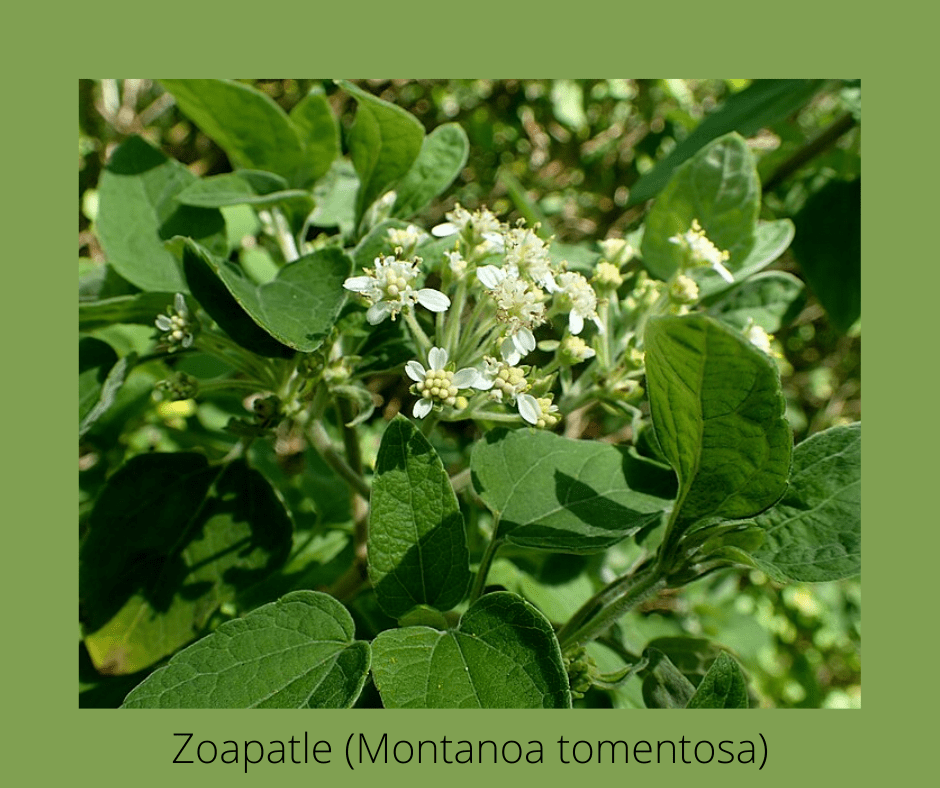
Natural Healing — Zoapatle

Photo credit: Pedro Tenorio Lezama

Zoapatle (Montanoa tomentosa), with spelling variants soapatle, zoapatli in Morelos, zihuatapli, zoapacle, zoapaxtle, zuhuapatli in Puebla, and zoapatl in Tlaxcala is also known as cihuapatli in Nahuatl which means “woman’s medicine.” Other names include roö and toó (Otomi) in Mexico state, Cacopacle in Hidalgo, and Cacachpa, Cacahpachtle, Chapus in Puebla. Other areas use the terms pirimo blanco or perimo (Purépecha), aclinán, yucuyahui, nocuana-titete-xini-ni or yaga-zeche (Zapotec), cuana-xana, ciguapactli, Homah-ak (Maya), and talacao (Guarijío).

This Mexican native bush has fragrant leaves and yellow or white flowers. Traditionally, it has been used to facilitate a difficult delivery and other “women’s issues.” The Florentine Codex records its use in delivery and for bloody diarrhea. Francisco Hernández documents that the plant is considered “hot” and useful in “cold” infirmities. He continued with the information that in addition to inducing labor, it was prescribed for post-partum infections and to bring on menstruation. Francisco Ximénez wrote that it was also useful in alleviating menstrual pain and anxiety. According to Martín de la Cruz, zoapatle root was added to stews and used as a flavoring in pulque. 

A zoapatle leaf and root decoction is prepared with canela (Cinnamomum zeylanicum) and chocolate (Theobroma cacao) and given to the laboring mother to speed up delivery. Since the uterine contractions it provokes are extremely strong, zoapatle infusions should only be administered in extreme instances and never when there is something irregular about the baby’s placement, such as a breech birth. Additionally, the infusion can cause fatigue, thirst, and cardio-respiratory depression in the newborn if not taken in proper dosages. Bernardino de Sahagún recorded that this concoction was given right before the baby crowns. A second cup could be given if needed.

Zoaptle leaves combined with maiz root (Zea mays) sweetened with piloncillo (brown sugar cone) taken on an empty stomach is a simple abortifacient. Uterine contractions triggering miscarriage can begin as fast as five to twenty minutes after ingestion. 

An after-birth tea is made with zoapatle leaves, bretónica (Lepechinia caulescens), and epazote (Dysphania ambrosioides), sweetened with chocolate (Theobroma cacao) or piloncillo (brown sugar cone) is served to help expel the placenta and reduce hemorrhaging. The plant and root are chopped and boiled to make a poultice to stop hemorrhaging after birth. 

In the event that contractions are not strong enough to bring on cervical dilation, or the contractions are strong, but the cervix has not dilated, the laboring woman may be given a steam bath in the temazcal with zoapatle leaves. Studies have proven that zoapatle infusions will indeed cause cervical dilation

To regulate menstruation, a decoction of zoapatle leaves is drunk in place of water while the woman fasts for three days. For menstrual cramps, the infusion is made with flower buds. Studies have shown that Montanoa tomentosa has an anti-anxiety effect during low-hormonal conditions, such as the premenstrual period. Thus, evidence supports its use as a mood stabilizer and natural antidepressant

Zoapatle leaves possess a unique antifertility activity in that it inhibits a fertilized egg’s implantation by affecting uterine motility during ovulation. It does not function as a spermicide

Post-delivery, women are encouraged to continue to bath with zoapatle infusion and drink it as an infusion to promote milk production. It may be that the anti-fertility and anti-depressive components of the plant are what most benefit the new mother at this point since there is no scientific evidence of zoapatle either being a galactagogue or an anti-inflammatory agent. If the woman doesn’t become pregnant right away, her milk production won’t drop off as the new fetus develops. Furthermore, the condition necaxantle, generally understood as “woman’s weakness” caused by the loss of menstrual blood, pregnancy, childbirth, and childcare through breastfeeding, evidenced by fatigue, mood swings, and depression, is regulated through the continued use of zoaptle infusions post-partum. 

***

Interested in natural remedies? Uncover herbal remedies from traditional Mexican sources for healing and wellness in the Exploring Traditional Herbal Remedies in Mexico series.

Leave a comment

Filed under Health, Native fauna and flora, Natural Healing

My Stupendous Fall

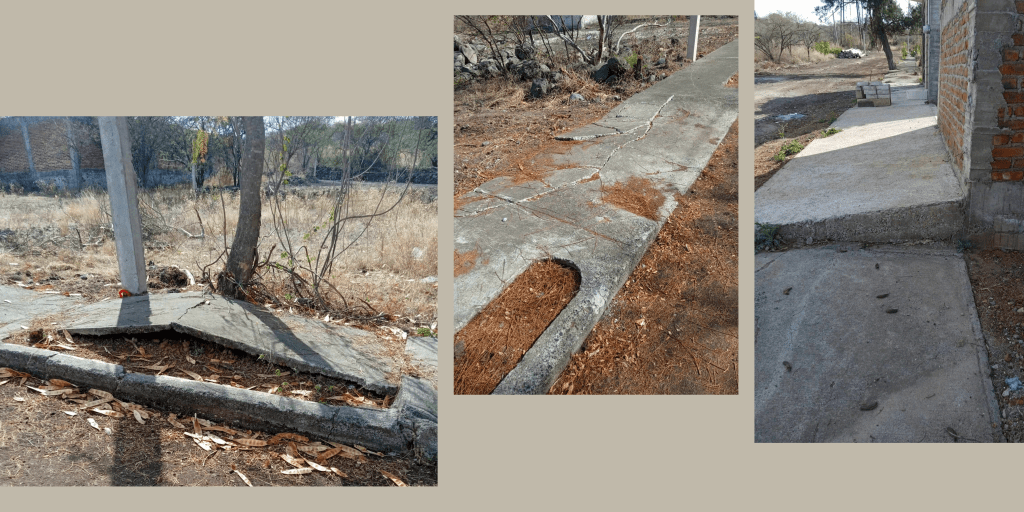
Walking around La Yacata has always been a bit of a treacherous endeavor. The roads are uneven and filled with what my son and I call “ravines” from the intense gullywashers during the rainy season. The sidewalks are about as safe as any sidewalk in Mexico, meaning not very. Ramps to garages make steep drop-offs. Sidewalks broken to lay water or drainage pipes and then reset are accidents waiting to happen. Tree roots push the cement nearly vertically, and so on. 

Well, that accident waiting to happen finally did. I was walking along with Cocoa, and I stubbed my foot on a piece of sidewalk that wasn’t level. I didn’t fall immediately. No, that would have been less spectacular. Instead, I stumbled along for another 10-15 feet, gaining momentum until I finally fell. My head hit a rock just off the edge of the sidewalk. I saw it clearly as a was hurtling through space and time towards it. 

I may have blacked out for a second, because I don’t remember sitting up. Or maybe I do. It’s a little hazy. It couldn’t have been for more than a second, though, because my head laceration hadn’t started to bleed yet. 

Super Prez and one of his workers were up the road doing some road measurement things when I fell. They approached while I sat there on the sidewalk, a bit stunned. Cocoa wouldn’t let them get very close. 

My Spanish flew out of my head and I started what must have seemed like babbling to them in English. My husband was working down at the corner and I knew Cocoa wouldn’t let anyone but him approach. With a conscious effort, I switched to Spanish and relayed this information to them. Then the blood started gushing from my head.

My glasses were missing a lens and I couldn’t see with the blood in my eyes anyway, so I just sat there until my husband arrived. He tried pulling me up, but that wouldn’t do. I got up myself. Then he took my arm to shuffle me to the house. Again, that wouldn’t do. I could walk fine; I just couldn’t see. I gave him Cocoa’s leash and put my hand on his shoulder to guide me. 

After the bleeding stopped, my husband left me with Cocoa and went back to work. My son didn’t get home until later in the afternoon, even though I tried calling him. He immediately cleaned and dressed my head, and I went back to bed. I contacted my teaching job and sent them a picture of my face to explain why I couldn’t teach that day. I had five classes that afternoon, so it was a financial disaster, but it just wasn’t going to happen.

I probably should have had stitches. The wound on my head took several days to scab up, and I’m pretty sure it will leave a scar. I used Árnica Mexicana (Heterotheca inuloides) and sábila (aloe vera) to treat my injuries, with some cola de caballo (Equisetum hyemale) wash for inflammation.

The following day, I let the people of La Yacata know I would be unavailable. While that didn’t completely stop them from bringing questions or documents, it did lessen the number of visitors. Not that I could see them anyway, as my eye had ballooned up quite a bit. I received a few kind messages wishing me a speedy recovery and telling me that I was “needed” by the community. It’s always nice to feel valued and essential.

I requested that I be allowed to teach without my camera on over the weekend because my eye was still so horrible. The company said I could as long as I started the class with it on and explained why I was turning it off to the students. The whole point was I didn’t want them grossed out, but I did what they outlined because I was just too tired to look for another job. 

The following Thursday, my shiner was still vividly purple, but the swelling had gone down enough to manage tasks and send out the message that I was back in business. There were so many Yacata things to get done and nobody but me to do them. 

3 Comments

Filed under Health, La Yacata Revolution