Exploring Traditional Herbal Remedies in Mexico Volume 5: Botanical Treasures from Acuya to Zarzaparrilla

After nearly a year of research, writing, editing, and despairing, I’m delighted to announce that FINALLY Volume 5 in the series  Exploring Traditional Herbal Remedies in Mexico is available on Amazon. Isn’t the cover lovely?

I haven’t done any free book promotions for this series yet, so I thought I’d give it a whirl this book launch. For the next few days, you can get the ebook version for FREE. Whoop! Whoop!

Don’t think I’m ready to rest on my laurels (pun intended) just yet. I’m working on compiling a special hardcover edition that contains the plant studies from volumes 1-5. Look for that beauty coming soon. I don’t want to give a specific date as the rainy season and internet service may have something to say about my progress. 

Anyway, I hope you enjoy this most recent offering all about my herb passions. Here’s another link to go and grab your FREE copy while the offer is still good.

Leave a comment

Filed under Native fauna and flora, Natural Healing

Insurrection in La Yacata — Letter to the Governor Part 3

The Tuesday after we delivered the letter to the appropriate offices, I received a call from the governor’s office asking what exactly we were looking for. I’ll admit that I’m not at my strongest when talking on the phone. I can’t hear well, and I don’t have the visual cues to help me decipher what is being said. Anyway, I did my best, standing out in the road since the phone signal in the house is variable. 

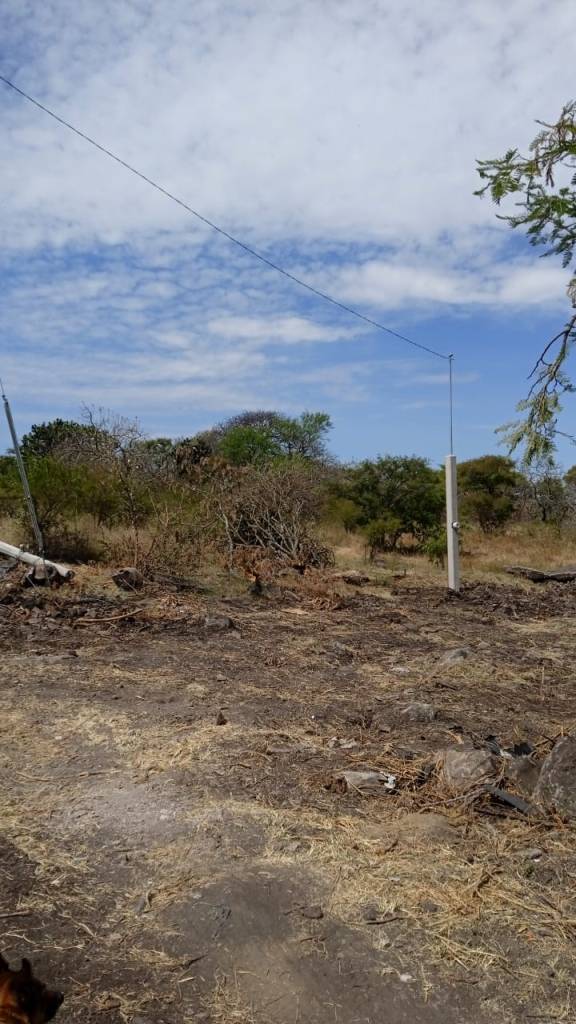
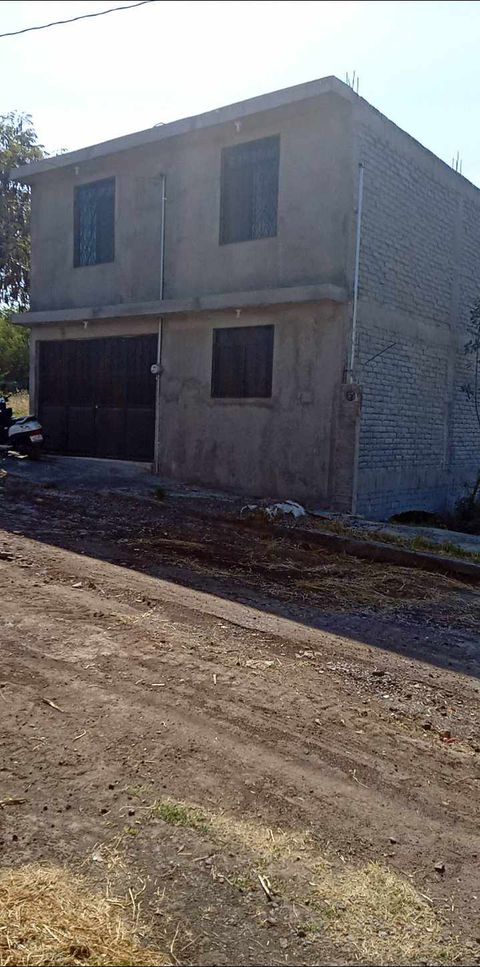
I told the governor’s secretary that we didn’t have any basic utilities, which was our primary need. She said that was something the municipio would need to address. I said that we’d been trying for 28 years to get servicios (utilities) and were rejected time and time again. Those documents were included with the letter. She asked if we were “regular,” and I said we were in the process of regularizing (which means conforming to the requirements for a fraccionamiento-neighborhood). She asked about escrituras (deeds), and I said we had the escritura global (one deed for the entire property). I didn’t feel like I had explained myself well, and she said she really should talk to the Ingeniero (Super Prez), who was listed second in the document. She said she’d check into things and call back. I don’t know why she didn’t just send an email with this information. 

But she called back. She asked if I had something to write with. I grabbed something quick. Then she said I should call this number …. And gave me some numbers, but the phone call ended before I heard the final two digits. Now, a normal person would just call the person back, but I never had saldo (minutes) on my phone because the signal is so spotty that I never make phone calls. I was distraught, believing I had totally messed this up. However, doing a reverse search on the partial phone number, it seemed she was giving me the number for Secretaría Desarrollo Social y Humano

Before we got any further in this process, Super Prez was called to the presidencia to answer for our crimes (writing and delivering this letter to the governor). Super Prez did much better than I would have done soothing the ruffled feathers. He made it clear that the letter’s intent was to solicit financial support for La Yacata with the understanding that those funds would need to be channeled through the municipio of Moroleon. 

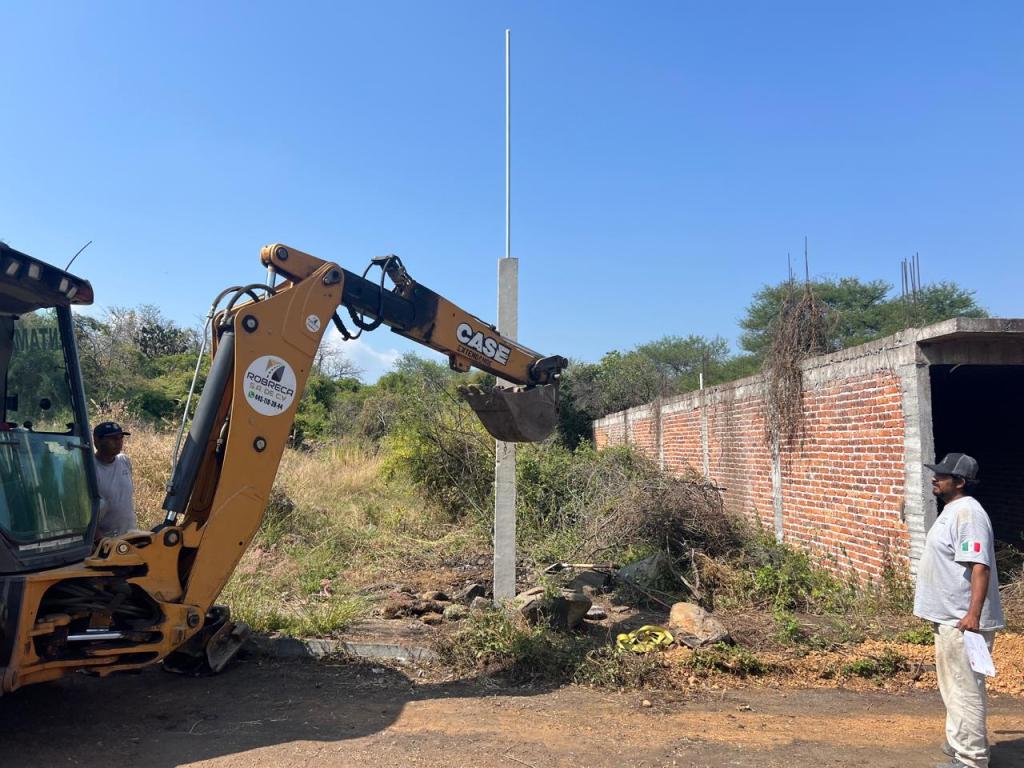
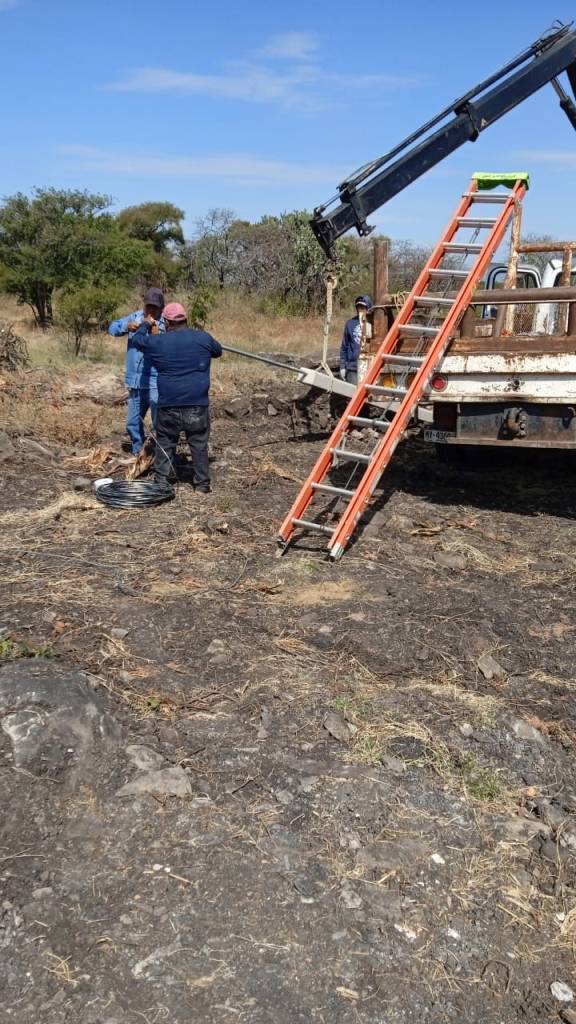
The architect in charge of Desarrollo Urbano tried to turn it back on us and said we hadn’t been back to follow up on our regularization process. Super Prez responded that it didn’t mean we weren’t working on it. In fact, the limpieza de pozo (well-cleaning) crew was back at work to finish that project so we could move to the next one and determine the quantity and quality of the well’s water. 

It’s possible that the presidencia felt our appeal to the governor was an attack on their administration since the governor is part of a different political party and this was an election year. It’s also probable that no one in the presidency had read the letter to the governor in its entirety (it was 8 pages long) and just read the accompanying missive from the governor’s office. Had they done so, they would have seen that we made no disparaging remarks about the current administration, that paragraph having been removed judiciously at Super Prez’s recommendation before the letter was delivered, and that we lay the blame squarely on Chuchi, who was dead and wouldn’t protest. 

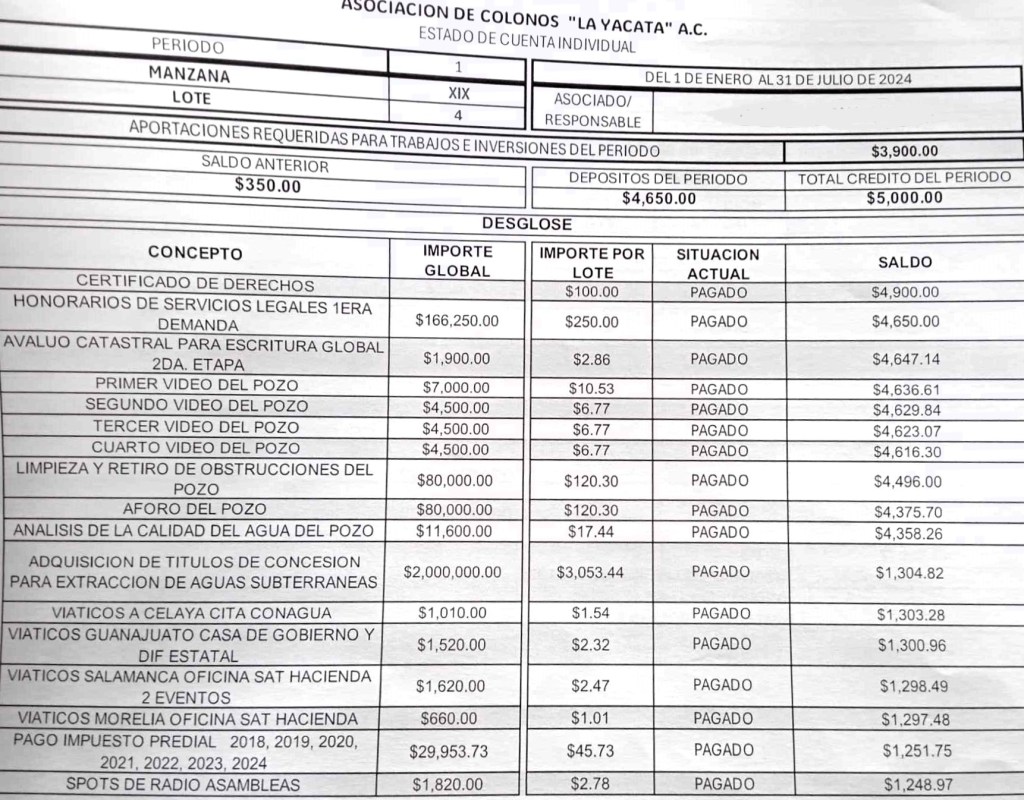
Super Prez returned to Desarrollo Urbano a day or so later with an entire PowerPoint presentation printed out to explain how we were working with FE Guanajuato to apply for funding and infrastructure support. He said that seemed to appease the powers that be somewhat. 

Super Prez also took this opportunity to present our petition once again to change the registered uso de suelo (land use) from agricultural to habitation. Before 1995, the area that encompasses La Yacata was farmland, and plots were rented for individuals to plant. The asociación de colonos was formed with the understanding that the classification would change. It was never approved, even after being submitted to 10 different municipal administrations. Without this document, nothing else can be approved. 

I’m not exaggerating when I say it feels like we are tilting at windmills in this process to create a habitable community, the windmills being the antiquated processes in place that are preventing this. Perhaps we are foolish to believe we can overcome these obstacles to basic necessities. Well, I guess we’ll hope for the best.

****

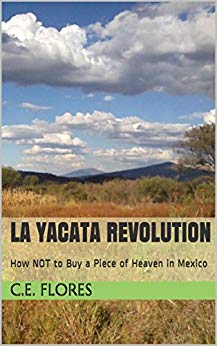
Want to see how it all began? Pick up your copy of La Yacata Revolution: How NOT to Buy a Piece of Heaven in Mexico today!

2 Comments

Filed under La Yacata Revolution

Natural Healing — Siempreviva

My sedum investigation began with the positive identification of Colita de burro AKA Donkey’s Tail (Sedum morganianum) which I had growing in my garden. Also known as cola de borrego (sheep’s tail), it seems to be purely ornamental. However, in my research I did find several other species of sedum that were used medicinally here in Mexico.

Siempreviva (Sedum praealtum) is an effective spermicide, 20 percent more effective than Nonoxynol-9 when used as a vaginal postcoital douche. It is also known as shrubby stonecrop and green cockscomb in English and tetzmitl in Nahuatl. Francisco Hernández, Fray Bernardino de Sahagun, and Martín de la Cruz make mention of this plant’s medicinal use by the Aztecs in their writings. 

Its leaf sap is applied topically to treat burns, hemorrhoids, gum inflammation, and conjunctivitis. The leaves are chewed and swallowed for dysentery, scurvy, and typhoid. In the state of Morelos, the leaves are chewed for toothache relief, and a leaf warmed on the comal (griddle) is placed over an aching ear. Sedum praealtum has antibacterial and anti-inflammatory properties.

For excessive bleeding during menopause, a decoction of sedum is drunk before breakfast until the bleeding has stopped. One tablespoon of this decoction cooled overnight is taken before breakfast for frequent, burning urination. 

For tonsil inflammation, the leaves are ground and soaked in vinegar. The gargle is warmed and used two or three times a day. In addition, a leaf decoction drunk as a tea is prescribed. If there is a fever in addition to the inflammation, the decoction is made from the flowers. 

The term siempreviva (always living) refers to the plant’s hardiness. Not only is it heat and drought tolerant, but it is able to withstand freezing temperatures. Because of this robustness, one group of researchers has proposed its use as green roofing in Mexico City to mitigate air pollution. 

Sedum praealtum closely resembles Sedum dendroideum, which is also commonly called siempreviva in many areas. In the state of Mexico, the Mazahua people use the name medye, while in Puebla, the Popoloca prefer the term kanda chansa.

The primary visual difference between these two varieties of sedum is a red tint on the edges of the leaves on Sedum dendrioideum, which Sedum praealtum lacks. In many remedies, the two varieties are used interchangeably. 

Cloudy vision and redness in the eyes are treated by squeezing the leaves so that a drop of sap enters the eye. Using Sedum dendroideum has demononstrated healing process of corneal damage caused by pterygium, commonly known as eye web.

Burns are covered with a plaster made from the sap. Sedum dendroideum has antioxidant effects and aids in burn injury healing

For intestinal issues, 10 grams of the leaves are crushed and added to a liter of water and drunk for 15 days. This plant has shown to be a natural nontoxic therapeutic alternative for the treatment of gastric ulcers. It is also an effective treatment for gastrointestinal disorders as a tea infusion due to its gastroprotective properties.

Two split leaves dipped in manteca (lard) of sedum dendroideum is a headache remedy. The fresh sap from the leaves of the Sedum dendroideum are antinociceptive and anti-inflammatory. Leaves warmed and mashed to make a poutlice are applied to sore and inflamed muscles. Mashed leaves are placed directly on a wound to stop bleeding. 

Leaf extracts also have antidiabetic potential

Another variety of sedum, Sedum mexicanum, Mexican stonecrop, or uva de gato mexicana (Mexican cat grape) may possess therapeutic potential for liver fibrosis

Sedum oxypetalum known as jiote or Siempreviva is a traditional remedy for periodontal disease. Studies have shown it promotes the regeneration of mineralized tissues making it useful in teeth strengthening. As a mouthwash, the juice is warmed, swished over the gums, and held in the mouth for a few minutes before spitting out. Sedum oxypetalum also possesses antifungal activity

***

Interested in natural remedies? Uncover herbal remedies from traditional Mexican sources for healing and wellness in the Exploring Traditional Herbal Remedies in Mexico Series

Leave a comment

Filed under Native fauna and flora, Natural Healing