
So I’ve discussed healthcare in general, but there are some things ladies need to know to take care of their needs living in Mexico.

Family Planning
Mexican health care covers hormonal contraceptives including anticonceptivos hormonales orales/pastillas anticonceptivas (the pill), inyecciones anticonceptivas de aplicación mensual y la trimestral (depo shot monthly or every other month), and los parches anticonceptivos (the patch). It’s also possible to get el dispositivo intrauterino de cobre (DIU) (copper IUD), el dispositivo intrauterino con levonorgestrel (IUD with progestin) and el implante subdérmico (implants).
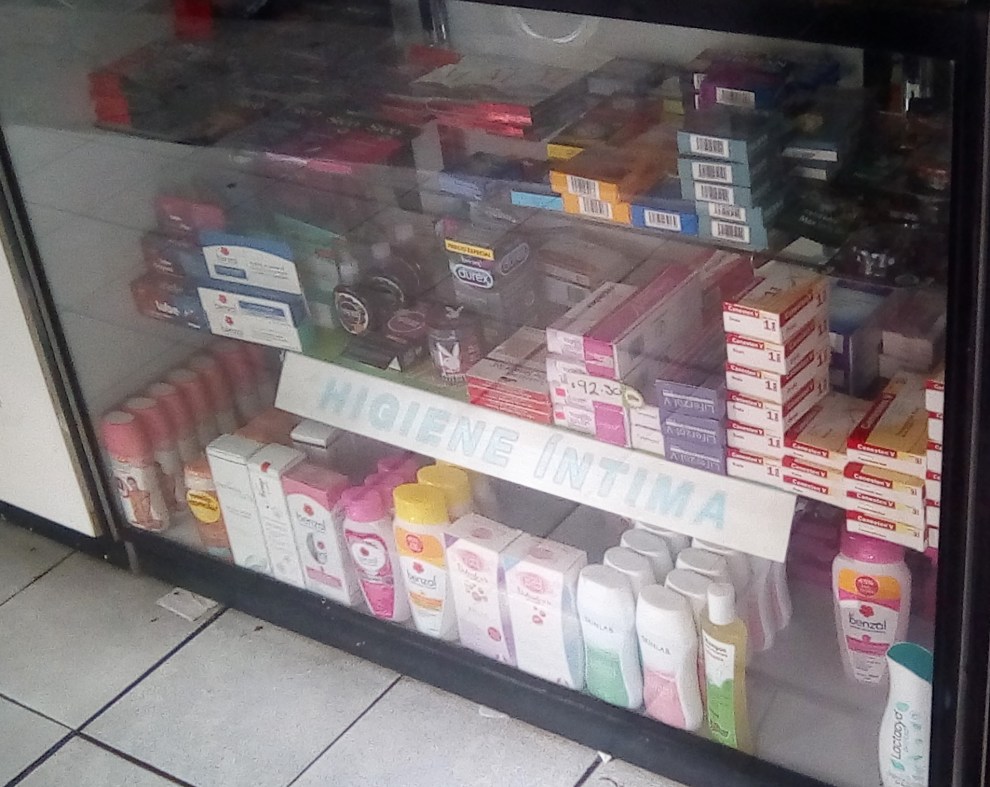 Seguro Popular will provide medical instruction on how to use the condón masculino (condom), but you’ll have to get a pack yourself from the pharmacy or your local super (grocery store). Packs are most often behind the counter so you’ll have to ask just like you do for cigarettes, aspirin, and matches. Supposedly, the female condom is also available in some areas, but I have yet to see it where I live.
You can also find douches and pregnancy tests at the pharmacy. And if your man is getting up in years, Cialis and Viagra are available here without a prescription.
Abortion is illegal everywhere in the country except Mexico City, however, you can get the morning after pill (anticoncepción de emergencia/anticoncepción hormonal postcoito).
If you decide you are done having children, you can have your tubes tied with the procedure oclusión tubaria bilateral (OTB) also called salpingoclasia. Believe or not, there is a yearly vasectomy campaign in November and if your male counterpart is willing, he might qualify for a free Vasectomía sin Bisturí (Vasectomy without scalpel). However much vasectomies are promoted, they are still not fully accepted culturally.
Sanitary pads and alternatives
If you aren’t pregnant and Aunt Flo makes her monthly visit, you need to be aware that tampons are hard to find in Mexico. In fact, in some areas, impossible to find. So what’s a lady to do?
Well, there are pads. Most of the pads are wafer thin and scented. Yes, scented. Just like most of the toilet paper. Apparently, Mexico hasn’t made the connection between infections and perfumes in your genital area. So you might want to consider making your own cloth pads. If you aren’t crafty, you can order them online.
Apparently, some version or other of cloth pads have been around for awhile. To say someone is having her period in my husband’s town you say “tiene caballo” which literally means she has a horse but refers to having so much material stuffed between her legs that she is walking bowlegged as if she were riding a horse.
So if the bowlegged trot isn’t for you, you might try a menstrual cup. There are a variety of cups available to accommodate every vagina size. You may need to try a few different types to find something you are comfortable with but I guarantee you, once you find the right fit, you’ll NEVER go back to pads.
If the cup isn’t your cup of tea, you might try period panties or menstrual sponges. I haven’t found either of these options available in stores in my area, but you can find them online. (Check out this discount for Thinx panties)
So there you go ladies. More information that you probably need, but since no one talks about these things locally, you gotta find out from somewhere.
*****************





