Tag Archives: mexican herbalism

3 Thoughtful Gifts for the Herbalist (or Aspiring Healer) in Your Life

If you have someone in your life who’s always brewing teas, drying herbs, or talking about tinctures, you already know — herbalists are a special kind of magic. 🌿

This year, surprise them with gifts that nurture their curiosity and honor their connection to the natural world. Here are two meaningful books that any herbalist, healer, or plant lover will adore.


🌿 1. Exploring Traditional Herbal Remedies in Mexico: An Introduction to Natural Healing
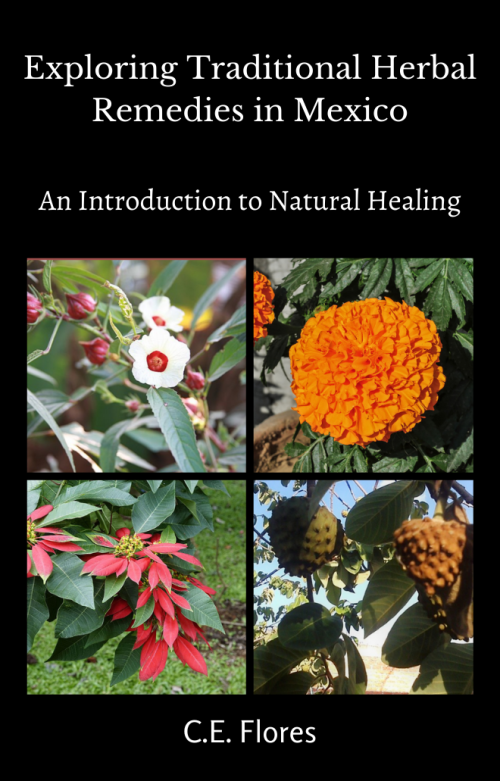
Long before modern science caught up, Mexican curanderos understood the healing power of plants. This book explores 34 traditional Mexican remedies, each with accurate botanical details and well-researched scientific backing.

Readers will discover the fascinating blend of indigenous wisdom and colonial influence that shaped modern herbal practices. It’s both a guide and a history lesson wrapped in one beautifully written volume.


🌸 2. The Mexican Apothecary: Traditional Cold and Flu Herbal Remedies
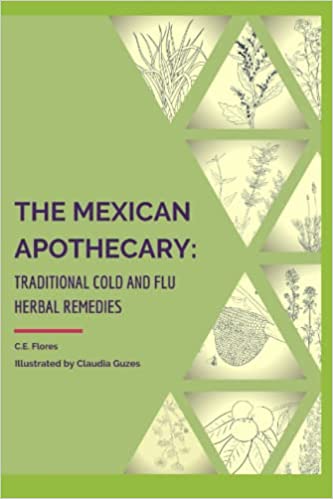
When winter sniffles hit, herbal wisdom shines. The Mexican Apothecary explores more than 140 traditional cold and flu remedies, from cough teas to immune-boosting blends and even herbal cleansing rituals for the sickroom.

Each plant study is supported by science and steeped in centuries of practice — making it a must-have for both beginners and experienced herbalists.


🎁 3. Add a Personal Touch

Want to make your gift extra special? Pair one (or both!) of these books with a few thoughtful touches that delight the senses. 🌿

Sip & Soothe: Create a little herbal care package with these delicious teas — perfect for cozy reading sessions:

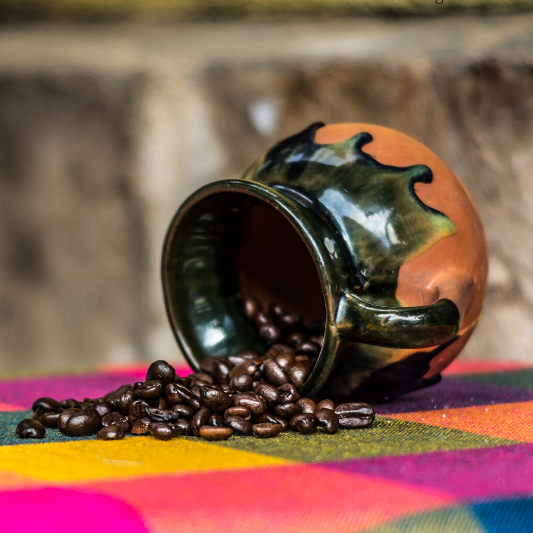
Mug Magic: Complete the gift with one of these charming handmade cup sets that bring a touch of Mexico to every sip:

Whether your loved one studies plants for healing, spirituality, or pure wonder, these thoughtful additions celebrate their passion for nature’s wisdom — and wrap it in beauty, warmth, and tradition. 🌼

✨ Wrap up a little piece of Mexico’s herbal magic this holiday season!

Leave a comment

Filed under Inspirational Writers in Mexico

Natural Healing — Marrubio

Photo credit: Harry Rose

Marrubio (Marrubium vulgare) is a plant brought to Mexico by Spanish friars after the conquest. Never one to look a gift herb in the mouth, it’s become a staple healing plant in Mexico. Other names that are also used to refer to this plant include manrubio, marrubillo, malvarrubia, malcubio, malva del sapo, marrubio de monte, and malvarrubina.  In Michoacán, it is often referred to as uitsicua or uitzacua (sometimes spelled with a v instead of u) in the Tarascan language. The  Popoloca people use the word kathuchjeekunia and in Mexico State, it is known as tzopiloshihuitl. 

An infusion of flowers is used as an appetite stimulant and diuretic. In Veracruz, it is used for stomach issues, colds, cough, liver problems (bilis), diabetes, and to bring on menstruation. It is also used topically in after-birth cleansings, rheumatism, mange, wounds, hives, and rashes. 

Marrubio is antioxidant, anti-microbial, anti-biotic, anti-inflammatory, anti-parasitic, anti-fungal, anti-bacterial, wound-healing, anti-hypertensive, hypolipidemic, and sedative. It has shown promise in lowering plasma glucose levels, supporting its use in treating diabetes. 

A digestive tea is prepared with one tablespoon of flowers in one liter of boiled water. Allow it to steep for 10 minutes before straining. Drink one cup, three times a day.  As a wash, boil 20 grams of the leaves and flowers in one liter of water.  For bilis (liver problems caused by rage), boil the stems in one cup of water and drink before breakfast or an infusion of leaves before bed. A decoction made from the stems, leaves, and flowers is prescribed for stomach issues. A tincture is made from the entire plant (root to flower) left to soak in alcohol overnight. For susto (sudden fear), fresh stems are used to “sweep” the person of the fear. Then at noon, the person’s shadow is swept in front of a lit candle while praying.

Marrubio and Laurel Infusion for Digestion

• 1 laurel silvestre leaf (Litsea glaucescens)

• 1 tablespoon of dried marrubio leaves (Marrubium vulgare)

Bring ½ liter of water to boil with the laurel leaf. Remove from heat. Add the marrubio and allow it to steep for five minutes. Strain and drink after meals.

***

Interested in natural remedies? Uncover herbal remedies from traditional Mexican sources for healing and wellness in the Exploring Traditional Herbal Remedies in Mexico series.

Leave a comment

Filed under Health, Natural Healing

Natural Healing — Coco

Photo credit: Tony Hisgett

Coconuts were first cultivated by the Austronesian in Oceanic Southeast Asia. Sailors introduced the coconut to Panama and it arrived in Mexico via the Colima and Acapulco ports around 1539. Coconut plantations along the west coast of Mexico were established during the 16th and 17th centuries. 

In Mexico, coconut is often used to treat diarrhea and dysentery. It is considered an effective diabetic treatment and is prescribed to regulate blood pressure, detoxify the liver, and lower cholesterol levels. 

The kernel and coconut water are antiviral, antifungal, antimicrobial, anti-inflammatory, and antioxidant. Coconut is also hepatoprotective and an immunostimulant. Its antidermatophytic and skin moisturizing properties make it a good choice for skin infections. It is also hypoglycemic and antidiabetic supporting its use as a diabetic treatment in traditional Mexican herbalism.

Coconut is anti-hepato steatotic and hypocholesterolemic, thus a healthy option for those suffering from fatty liver disease. It has anticancer and anti-neoplastic properties as well. Coconut demonstrates antiparasitic, insecticidal, antitrichomonal, and leishmanicidal activities. It shows moderate inhibitory activity and strong antibacterial activity against infections that cause gastrointestinal disorders. 

In remedies, it’s important to note that coconut milk and coconut water are not the same. Coconut milk is made by pressing grated coconut meat with hot water. It can be used as a milk substitute. Coconut water is the clear liquid found in a ripe coconut.

For parasites, ½ cup of pineapple or papaya juice and ½ cup of coconut milk should be drunk in place of breakfast for nine mornings. No food should be eaten for two hours after drinking. For a cough, open and crush a coconut. Then place it over low heat with honey and allow it to cook until a syrup forms. This syrup should be taken every three hours. 

To bring on menstruation the hairs of the outer shell of a coconut are included in a decoction of aguacate seed (Persea americana), pecan shells, and the leaves of the purple wandering Jew. To treat an excessive menstrual flow (called enfrió de señoras), again the hairs of the outer shell of a coconut are added to a decoction made from the leaves of the purple wandering Jew (Tradescantia zebrina ‘Purple’), llantén (Plantago major), and ortiga mayor (Urtica dioica).

***

Interested in natural remedies? Uncover herbal remedies from traditional Mexican sources for healing and wellness in the Exploring Traditional Herbal Remedies in Mexico series.

1 Comment

Filed under Health, Natural Healing