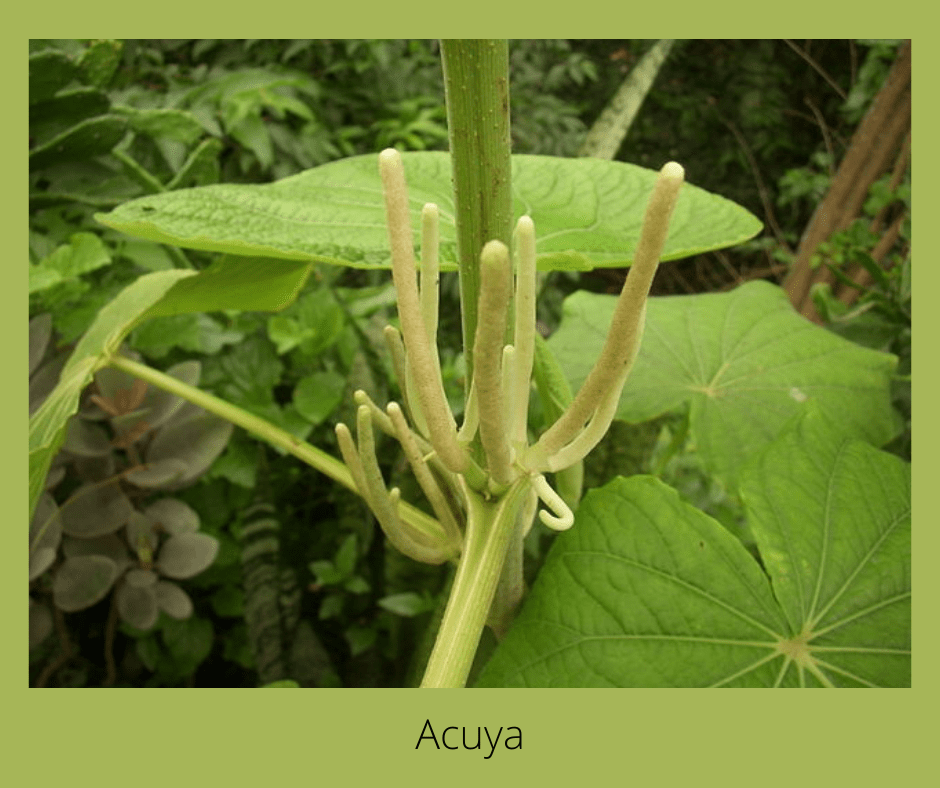
Piper umbellatum is locally known as acuya, not to be confused with acuyo which is one of the names given to Piper auritum.
The leaves are applied topically to wounds. An infusion of leaves and roots is prescribed as a purgative. Dried leaves are burned in ceremonies and added to steam baths to ward off evil, poisoning, fever, and migraines. Acuya is antibacterial, anti-inflammatory, analgesic, antifungal, antioxidant, cytotoxic, antiparasitic, and antimalarial. It has gastroprotective properties and is beneficial in treating inflammatory bowel disease and peptic ulcers.
The Exploring Traditional Herbal Remedies in Mexico series, Volumes 1-5, have now been beautifully combined into one exquisite hardcover edition. After countless hours of reformatting and refining, I’ve created the book I’ve always dreamed of owning—a treasure trove of wisdom and tradition.
For this month only, you can get your copy at a special price of $99. It’s more than just a book; it’s a journey into the heart of Mexico’s rich herbal heritage. Whether you’re a plant enthusiast, a lover of Mexican culture, or simply looking for the perfect gift, this deluxe edition is something to cherish. Don’t miss out—grab yours today!
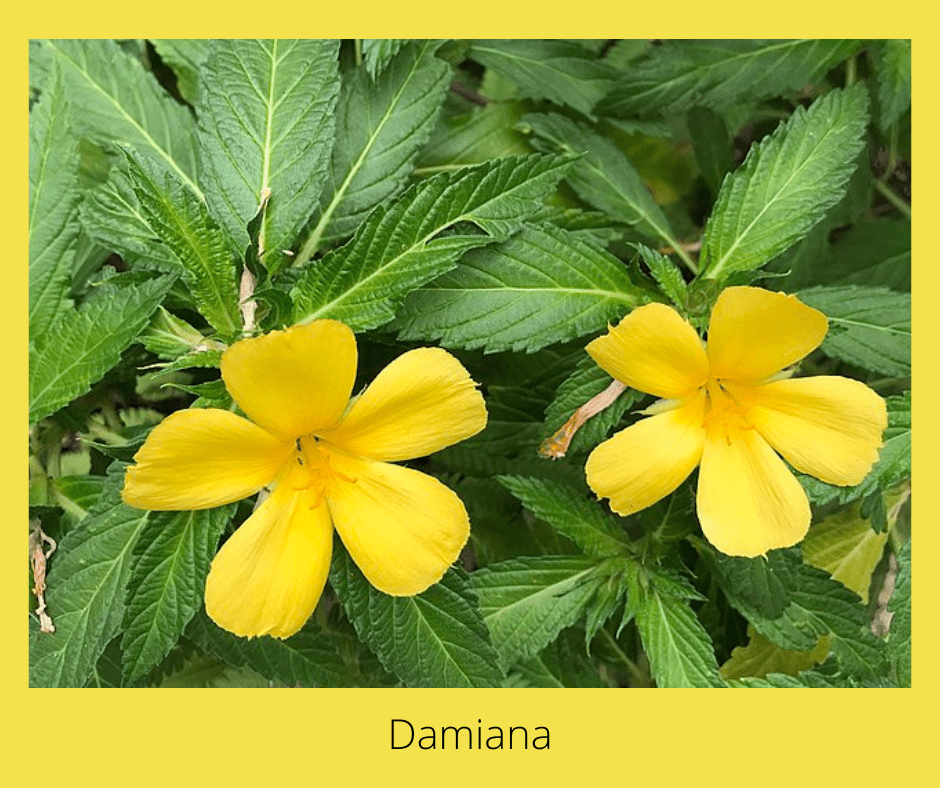
Damiana (Turnera diffusa var. Aphrodisiasca) should not be confused with damianita (Chrysactinia mexicana) or Hierba (alternatively spelled Yerba) Damiana (Turnera Ulmifolia). Turnera diffusa is also called Hierba del ahorcado and Rompecamisas Macho. Other names include Aguita de damiana, Damiana de California, Damiana de Guerrero, and Mexican damiana.
Turnera diffusa var. Aphrodisiasca, as the name implies, is prescribed for all sorts of sexual dysfunction in Mexico, from impotence to infertility. It is also recommended as an appetite stimulant, digestive aid, anxiety tonic, and mild diuretic.
As an appetite stimulant or diuretic, three cups of a fresh leaf infusion per day are drunk, one before breakfast and the others between meals. Thirty-two ounces of damiana leaves are boiled in one liter of water for 15 minutes. This is also the recommendation for a damiana hangover headache remedy.
To reduce nighttime anxiety and encourage restful sleep, an infusion of flor tila (Ternstroemia lineata), azahares de naranjo (Citrus sinensis), and damiana, sweetened with honey, is brewed before bed.
An anti-anxiety, anti-depressive tea is made by steeping a rounded spoonful of damiana in a cup of boiling water. This tea should be prepared daily and enjoyed first thing in the morning. Turnera diffusa has demonstrated antidepressant and anxiolytic-like effects supporting this traditional use.
Frío de matriz (cold womb), believed to be one of the primary causes of infertility, is treated with a damiana douche and tea. This supposedly “warms” the womb, allowing for pregnancy to occur. Studies have shown that Turnera diffusa has a pro-sexual effect, supporting its use in the treatment of sexual dysfunction, although whether or not that includes “warming” the womb is still up for debate.
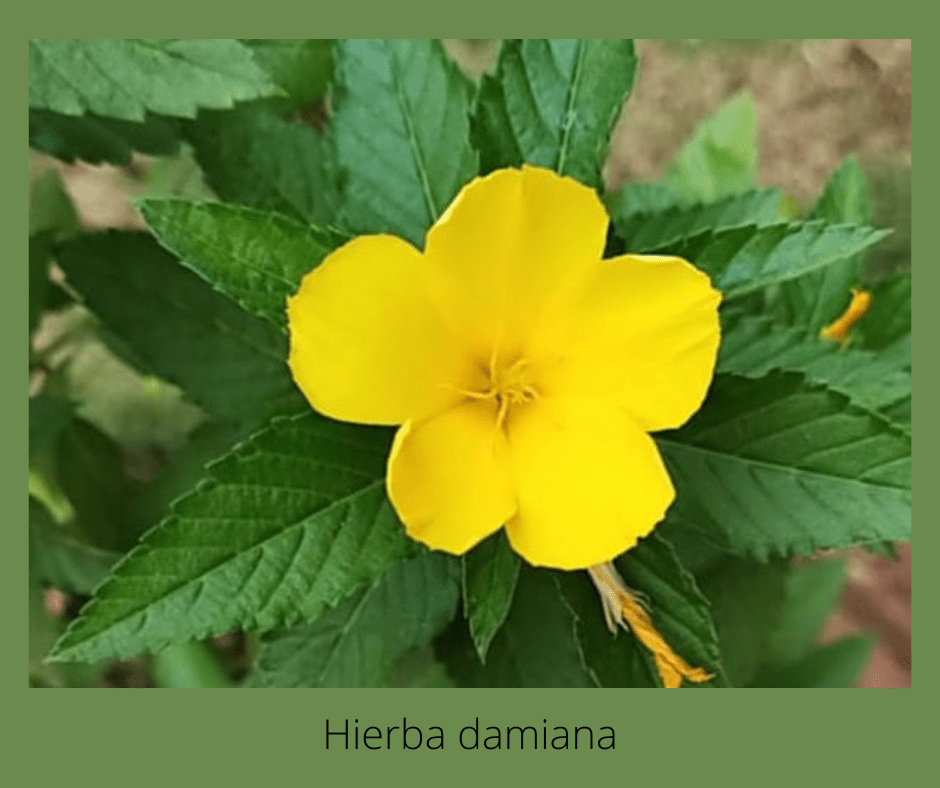
Turnera ulmifolia is often used interchangeably with Turnera diffusa in many herbal remedies in Mexico, although its properties are slightly different. Hierba (or Yerba) damiana is also known as Clavel de Oro. Fresh leaves are often used for illnesses caused by inflammation and to boost immune system function. Dry leaf decoctions are used as a wash for skin infections. An infusion made from the entire plant is made for ear or kidney infections.
It is often given to alleviate menstrual problems, as a digestive aid, and cough expectorant. A cough expectorant tincture is made from 30 grams of leaves, one cup of alcohol, and three tablespoons of honey. Allow the leaves to soak in the alcohol in a tightly sealed glass bottle for six days. After that, remove the lid and place the bottle in boiling water for three minutes. Allow it to cool. Strain the leaves out and add the honey. Close the bottle again and shake it vigorously for several minutes. Take one tablespoon daily before breakfast until the cough abates.






.jpg)
