Category Archives: Mexican Holidays

Women in Mexican History–Stories from the Revolution–Marcelina

train adelita

The role women were thought to play in the Mexican Revolution has been typically confined to the caricatures of the Adelitas. Although women did fight alongside their men, the Adelitas were not the only women involved in the revolution.

girl revolution

Claudia Guzes, a Mexican friend of mine, told me some stories about her family during the Mexican Revolution. With her permission, I have translated these stories and am sharing them to give name to some of these anonymous Women of the Mexican Revolution.

Claudia shares:

This is the story of my great-aunt Marcelina Magaña López, my great-grandmother’s sister, Alta Gracia Lucina Graciela Magaña López, originally from Moroleón, Guanajuato.

My great-grandmother Alta Gracia Lucina Graciela Magaña López told my mother some of the stories about her life during the Mexican Revolution. It was a difficult time for women. Soldiers, whether for or against the revolution, were known to kidnap women and girls, who were often not heard from again. Therefore, the people of the town and individual families would make special efforts to hide all the women and girls when soldiers came. Once the revolutionaries arrived in Quiahuyo and my great-grandmother, only a child at the time, asked the soldiers if they had come for las muchachas (girls). She told them that all the girls had already been hidden, which made the soldiers laugh. With good humor, they left without any girls that time.
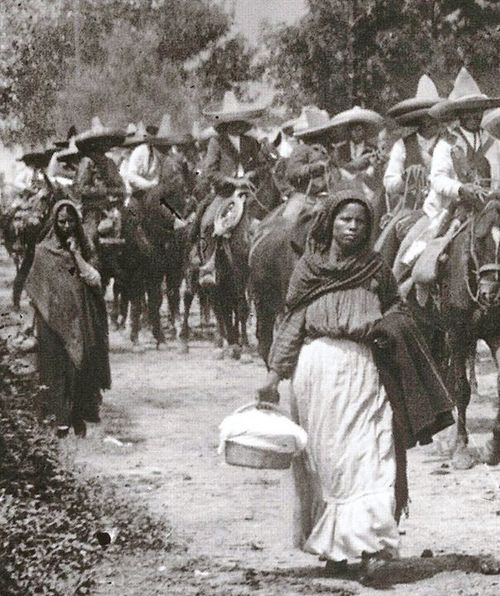
women in the revolution

My great-grandmother also told me a story about her brother Patricio Magaña López. He was in the habit of heading out to las mezquiteras en el cerro (large areas of mesquite trees) early in the day to work in the fields. One day, he was walking before the sun had risen and literally ran into bodies of soldiers (or rebels depending on the perspective) that had been hung near the entrance of Quiahuyo.

She also told stories about the difficult life of her older sister Marcelina Magaña López. Marcelina bore 8 children, four boys Antonio and Jose Luz (Chito), Eliazar (Eliaser), and unnamed baby boy and four girls Guadalupe, María, Josefina, and Bertha. During the Revolution, her husband, Hermenegildo Pérez, decided to fight with Venustiano Carranza sometime between 1910 and 1913. His particular group patrolled Chihuahua, Zacatecas, la Sierra Madre and up through Texas.

Marcelina was in constant fear for her husband’s life when he was off on patrols while she was at home with the children. This wasn’t an unfounded fear. When rebels were caught by los federales (federal troops) nearly all captives were killed. Once Hermenegildo’s group was captured and somehow he managed to not get shot. He hid among the dead bodies of his companions, pretending to be dead as well, and survived the revolution, although his proximity to canons during the war caused him to lose much of his hearing.

When Hermenegildo did get a chance to visit, he told Marcelina where he would be so that she could come and join him but did not give her any money for the journey. Despite the objections of her mother, Marcelina went, taking all her children with her. The journey was difficult and made more so by the fact that Hermenegildo had to change his location often to hide from los federales (Federal troops). The family traveled by boxcar from one area to another.

Food also was another difficulty on the road. Marcelina and the children often ate tortillas stuffed with nothing more than quelite del campo, an edible plant found along the sides of the road and abandoned fields, or other types of foraged vegetation.   One of Marcelina’s daughters,  Bertha,  died when she was only a few months old as a result eating unripe peaches.
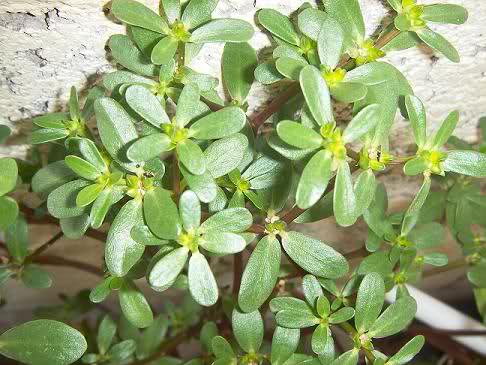
quelite

At times, the family sheltered under bridges. It became such an ordinary event for the children that when they finally were able to return home, her son Chito would cry because he wanted to sleep under the bridge again and not in his own bed.

On one of the family’s trips to San Luis Potosi, Marcelina gave birth to a baby boy who died a short time later.  She left her other children behind and went to pedir limosna (charity) to buy the casket.   On the road, she met with two men who were moved by Marcelina’s grief.  They took Marcelina and her infant son to the panteon (cemetery) in their car and helped her bury him.   The men promised that while they were alive, there would always be flowers on his tomb.

Both Hermenegildo and Marcelina survived the revolution. Hermenegildo became pious, reciting the rosary whenever the opportunity presented itself, and died at the respectable age of 80, although partially blind and completely deaf by then. Marcelina died much younger at the age of 60. It is most likely her life was shortened by the hardships she endured during the revolution and the “reconstruction” afterward.
rainofgold

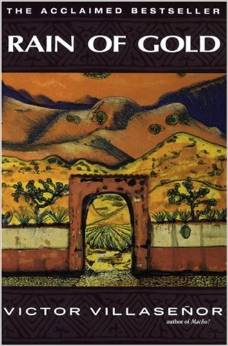
This period of history, although now glorified with parades and fanfare, was devastating to many Mexican families. Thousands of families fled to the United States during the Revolution. The story of two such families, that of the Villaseñores and the Carmargos, parents of Victor E. Villaseñor are told in his biography The Rain of Gold. The accounts of these families are similar to Marcelina’s story, girls hidden under piles of chicken shit, women raped, traveling by train, high infant mortality, and families separated and destroyed. Villaseñor’s grandmother, the mother of 19 children, lost all but 3 of her children during the war. And what did all this suffering accomplish?

silence

The conditions which sparked the Revolution, inequality of the distribution of wealth, censorship, extreme government control, are still present in México. Talk among the campesinos (farmers) is that it is time for a new revolution even as the government tries to repress it. Recently 43 students have “disappeared” (see Anatomy of a Mexican Student Massacre) hauntingly reminiscent of Tlatelolco student massacre of 1968.  There is no doubt that women will be involved in this new period of civil change.  It remains to be seen exactly how.  (See Also Crisis in Mexico: Could Forty-Three Missing Students Spark a Revolution?)

*******************************

Would you like to read more about women in Mexican history?

Check out A Woman’s Survival Guide to Holidays in Mexico.
cover holidays

9 Comments

Filed under Guest Blogger Adventures, Mexican Cultural Stories, Mexican Holidays, Politics

The Day of the Dead–El Día de los Muertos

catrin

Explaining the significance of this festival to someone who has not experienced El Día de Los Muertos is challenging. The facts are there, easy to find in Wikipedia or other “impartial” sources, but until you stand in front of an altar built for someone you know, you won’t understand.

There are actually 2 days in the festival known as El Día de Los Muertos. During these days, it is believed that the door between the living and the dead is opened for a time and the spirits of the dead come to visit those that remain behind.

November 1st is known in the area that we live in as El Día de Los Angelitos (The day of the Little Angels) and is a day to remember children that have died. As these are private, family gatherings, there is little to note except that there is typically a mass held for the deceased child (See Luctuoso) and toys are brought to the crypt or tomb and left. Special prayers are directed to La Virgen, who lost her own child, in this time of remembrance.

zapotec figure death life

A Zapotec figure representing the duality of death and life.

The more public and better-known festival is November 2, El Día de Los Muertos and its traditions have more to do with the indigenous Mexican than any supposed Catholicism influence. The prehispanic goddess Mictecacihuatl was known as the Lady of the Dead. She was honored during harvest rituals with fire and incense, images of the dead, food offerings in ceramic vessels and flowers. From these traditions comes the modern Mexican belief that souls continue to exist after death in an area similar to the Catholic Purgatory but once called Mictlan, a place of silence and rest. There the souls waited, not for reward or punishment, but for this day when they can return home to visit their loved ones.

lacatrina

(La Muerte) Death is still a Lady in México, now personified as La Catrina. Most Mexicans like to think that the popular image of the Catrina is ancient, but the truth is this caricature of vanity was first drawn by cartoonist José Guadalupe Posada about 100 years ago to poke fun at mestizos (mixed-blood) or indigenas (native people) that pretended to be European. Diego Rivera first used the name Catrina and helped popularize her in his mural, Sueño de una tarde dominical en la Alameda Central.

suenos de una tarde

Regardless of her origin, La Catrina reigns during los días de los muertos.

face paint catrina

Another Catrina-related tradition is the writing of calaveras literarias (death poems) that poke fun at death. In these short, rhyming verses, La Muerte comes and indiscriminately passes by or takes those mentioned by name in the poem.

calavera_01

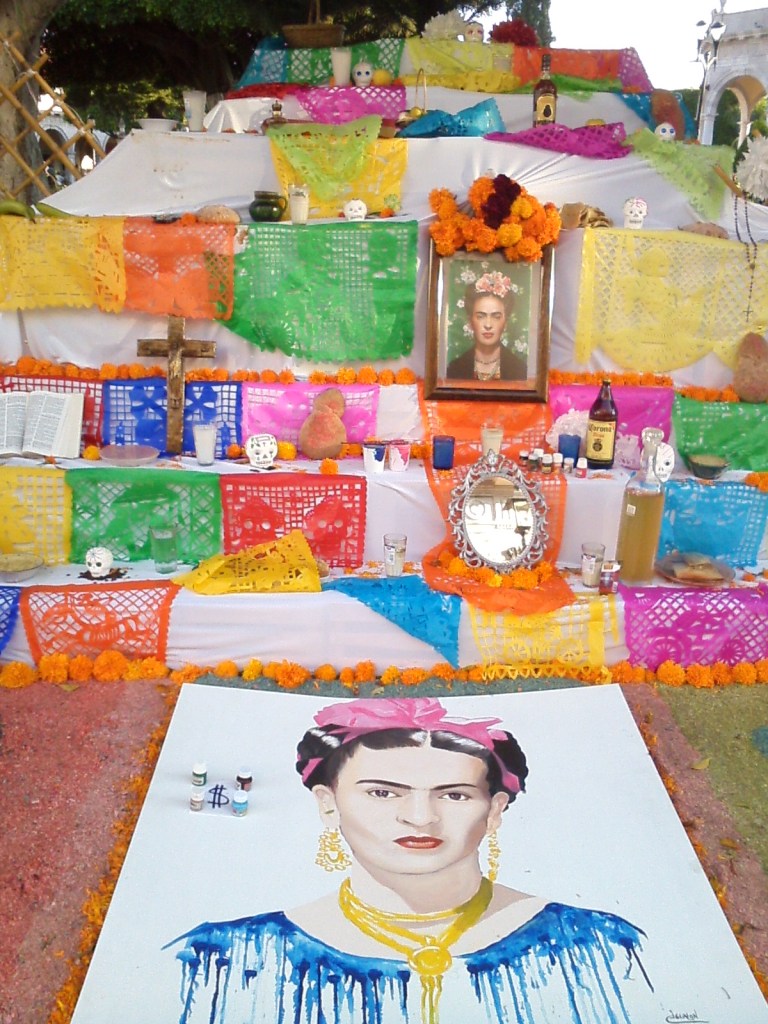
frida altar

An altar in honor of Frida Kahlo.

In Moroléon, deceased national and local public figures are honored with altars built in El Centro. More often, altars are built in the homes or at the panteón (cemetery).

baker altar

An altar in honor of a recently deceased local baker including pan de muerto.

ofrenda

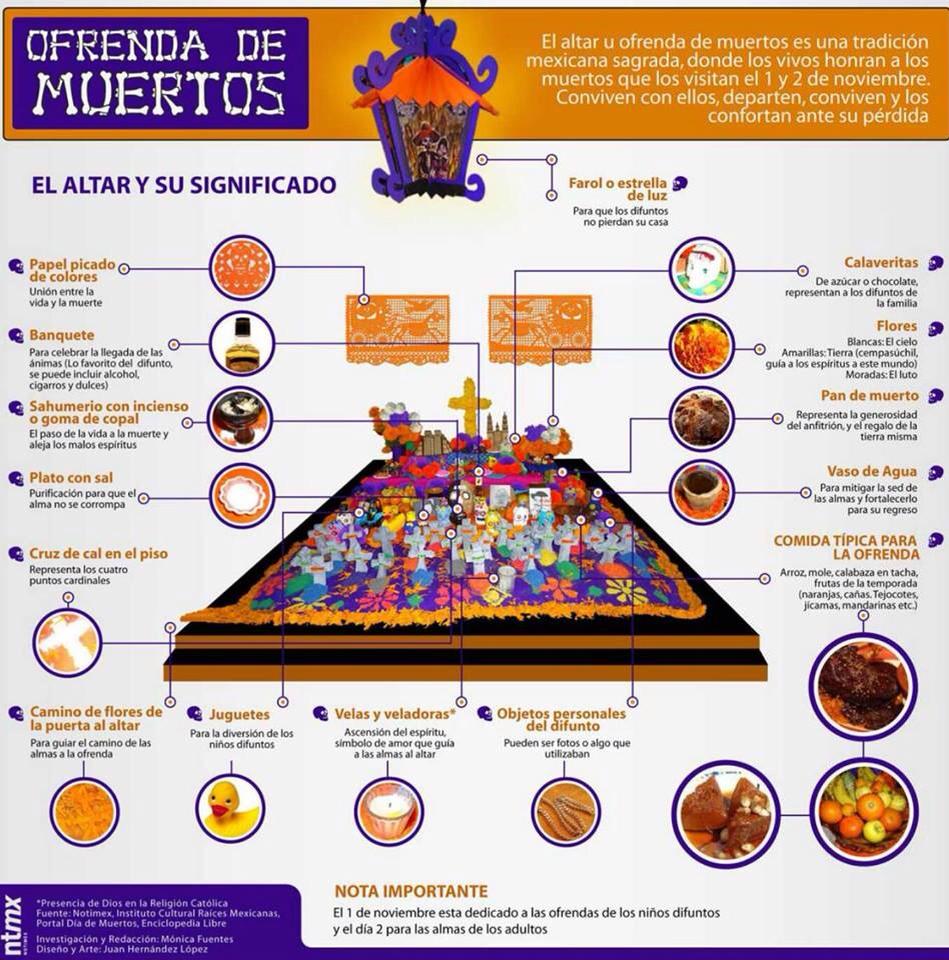
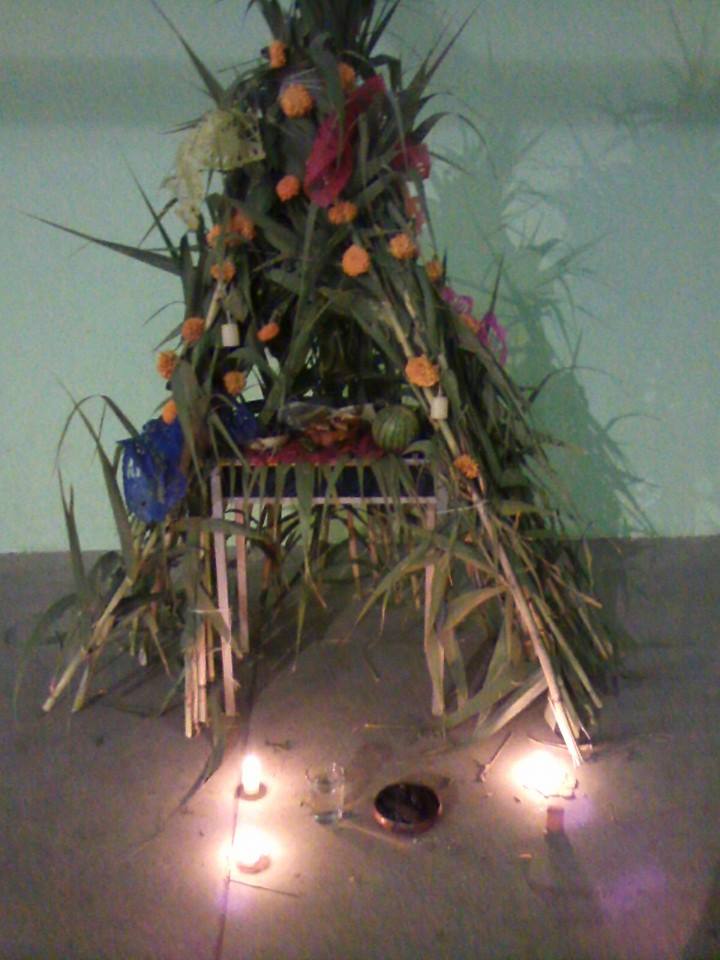
The altars may include marigolds, salt, favorite foods presented in ceramic dishes, pan de muerto (a luxurious sugar bread only available during these days) tequila, candles, incense and special personal items.

flower petal art

Each item has its own special meaning and reason for inclusion.

marigold cross

Marigolds are called Flor de Muerto (Flower of the Dead) or cempasuchil (Flower of 400 lives). I imagine it came by its name due to the fact that each petal has the potential to become a future marigold plant, hence each blossom can have many future lives. The strong scent of the flower is thought to lead the spirits home. Sometimes paths of petals lead from the cemetery to the home.

traditional alter

A dirt cross is included at times to remind the living that “From dust we are and to dust we will return.” (See La Novena)

copal altar

Copal is the resinous sap of a tree and has been burned as incense since the time of the Aztecs as an offering to the gods. On the Day of the Dead altar, the scent attracts spirits, drawing them home. It is also used to cleanse the area and to ward off evil.

cantiflas altar

An altar in honor of the deceased Mexican comedian Cantiflas.

Colorful tissue paper, papel picado, is cut into intricate designs and strung to flutter over around the altar. Holydays throughout the year are marked with papal picado strung over processional routes, reminiscent of their use during prehispanic rituals.

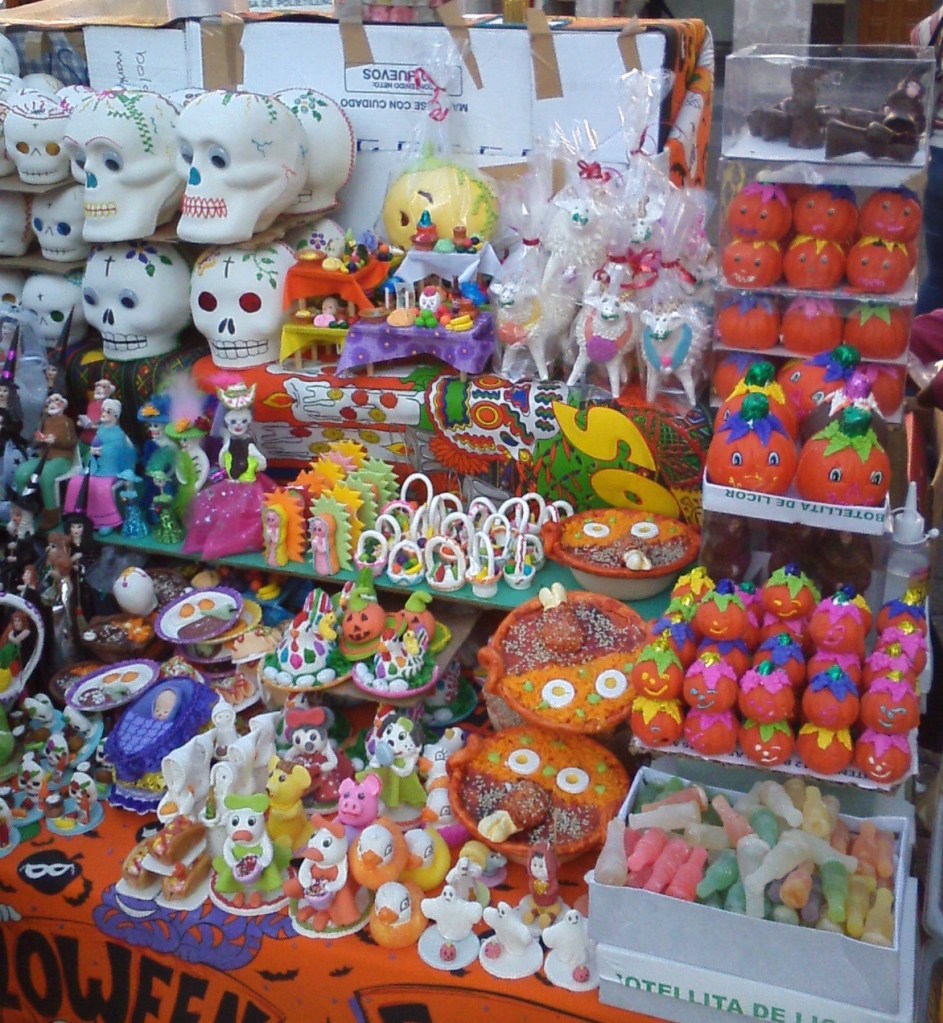
sugar skulls

Sugar skulls and figures on sale in el Centro.

You may also find calacas and calaveras on the altars. Calacas (skeletons) are carved wooden or ceramic skeletons often presented in joyous or lewd activities. Calaveras, are sugar skulls made with the name of the dead person written in sugar icing on the forehead and eaten by a relative or friend in honor of the dead.

A crypt decorated for El Dia de los Muertos.

A crypt decorated for El Dia de los Muertos.

At the panteón (cemetery), during this two-day period, families usually clean and decorate graves with ofrendas (offerings). In our case, it meant a trip to my mother-in-law’s crypt, bringing marigolds, candles and a bottle of coke, her favorite beverage. There were hundreds of people at the cemetery, some with lonas (tarps) set up and camp chairs, others perched on buckets playing cards. The families stay long into the night beside the tombs of loved ones telling stories and remembering, weeping and laughing. Some even brought mirrors in hopes of getting a glimpse of the soul as it stops by for a visit. For this one night, the dead are not gone but brought back through the memories of those that remain.

************************************

SOTBS Blog Hop Op1Sq
    Have a Day of the Dead themed blog post?

Link it up here!   An InLinkz Link-up 

disclosure

8 Comments

Filed under Death and all its trappings, Mexican Holidays

Mexican Independence Day

September is a particularly patriotic month for México.
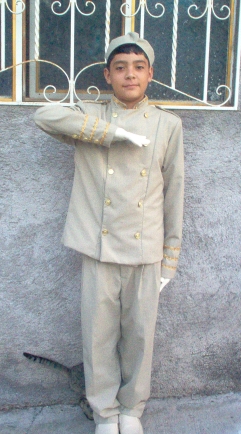
salute
It begins with the commemoration of the Niños Heroes (Boy Heroes) on September 13th. Our little school had “la mañanita Mexicana” on  the 13th (which is also the anniversary of the Congress of Chilpancingo or Anahuac when México declared itself independent from Spain in 1813) and in addition to the typical traditions, honored those cadets that died defending the flag at Mexico City’s Chapultepec Castle from invading U.S. forces in during the Mexican–American War in 1847.

In the call and response manner commonly found in the Catholic Church, each teenager’s name was read, and the attendees responded with “Murió por la patria.” (He died for our country.)
The Niños Héroes were:
Juan de la Barrera (age 19)
Juan Escutia (age 15–19)
Francisco Márquez (age 13)
Agustín Melgar (age 15–19)
Fernando Montes de Oca (age 15–19)
Vicente Suárez (age 14)
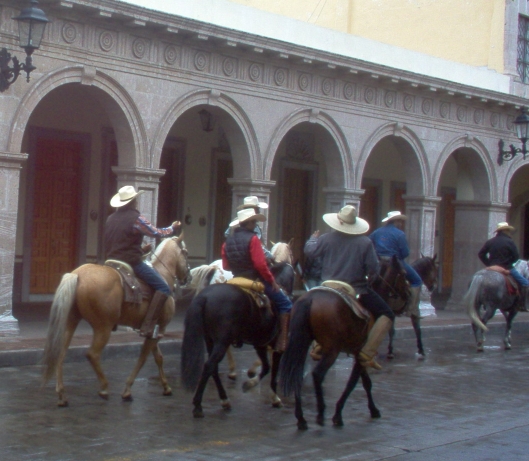
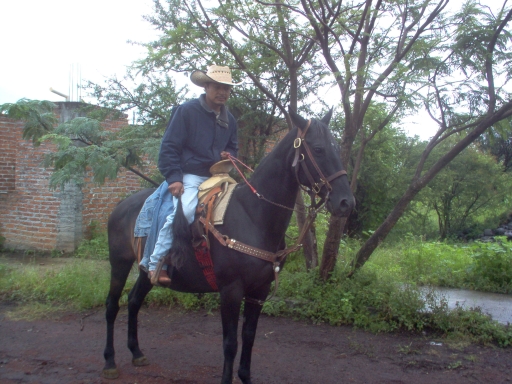
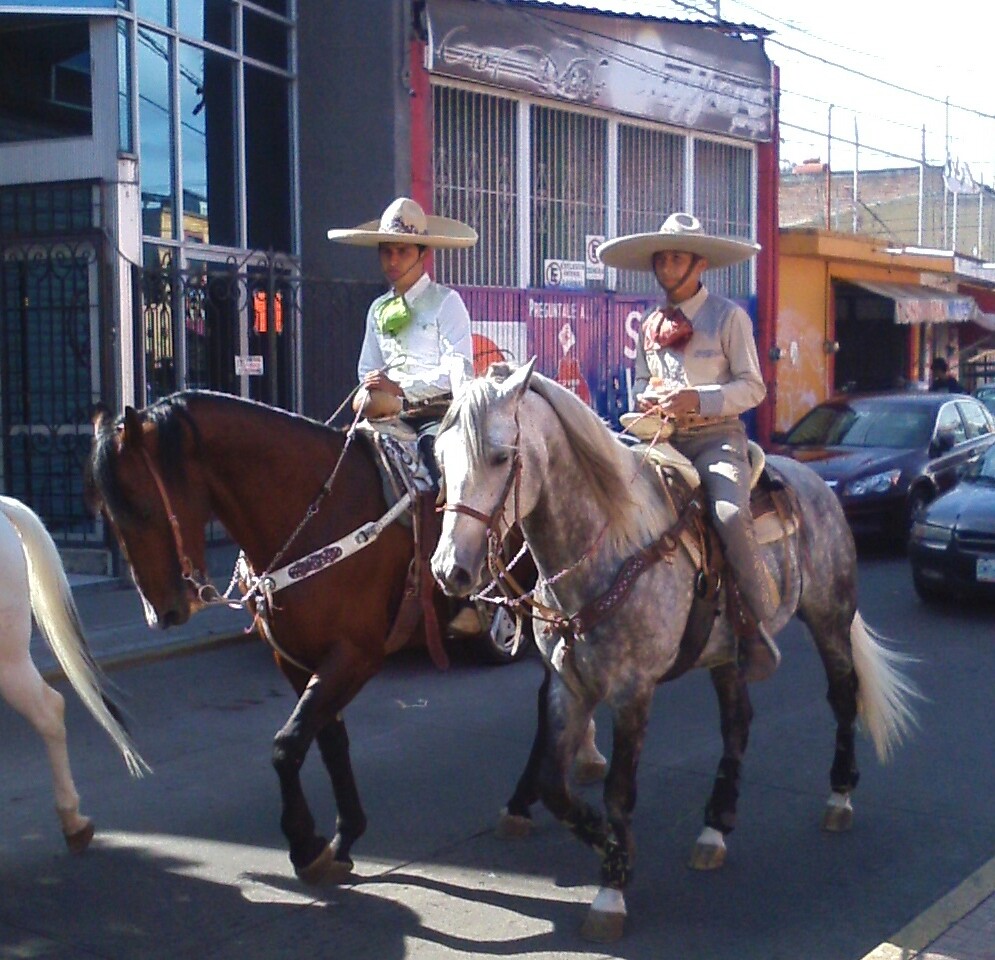
Each town does things a little differently. In Moroleón, in the afternoon on September 14, there is a caminata (mini-parade) of local horsemen from Moroleón to El Ojo del Agua Enmedio (where we go to get our water supply). This year, my husband participated with Beauty.

tail end of the caminata

caminata

My husband all ready for the caminata.

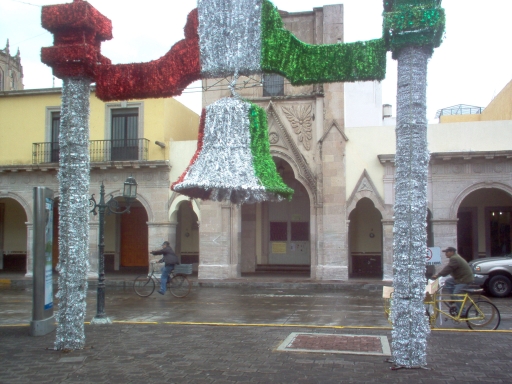
El Grito de Dolores (The Shout from Dolores–a small pueblito (town) where Hidalgo made his call to arms speech) on September 15th, marks the official beginning of the Independence day celebration at around 11 p.m. The church bells are rung and the presidente (mayor) of Moroleón recites El Grito (the shout) with attendees responding with “Viva” to indicate their support. independance day
¡Mexicanos! (Mexicans)
¡Vivan los héroes que nos dieron la patria y libertad!
(Long live the heroes that gave us our liberty)
¡Viva Hidalgo!
(Long live Hidalgo)
¡Viva Morelos!
(Long live Morelos)
¡Viva Josefa Ortíz de Dominguez!
(Long live Josefa)
¡Viva Allende!
(Long live Allende)
¡Viva Galena y los Bravos!
(Long live Galena and the Braves)
¡Viva Aldama y Matamoros!
(Long live Aldama and Matamoros)
¡Viva la Independencia Nacional!
(Long live national independence)
¡Viva México! ¡Viva México! ¡Viva México!
(Long live Mexico)

The church bells are rung again and the pyrotechnic show begins.

parade

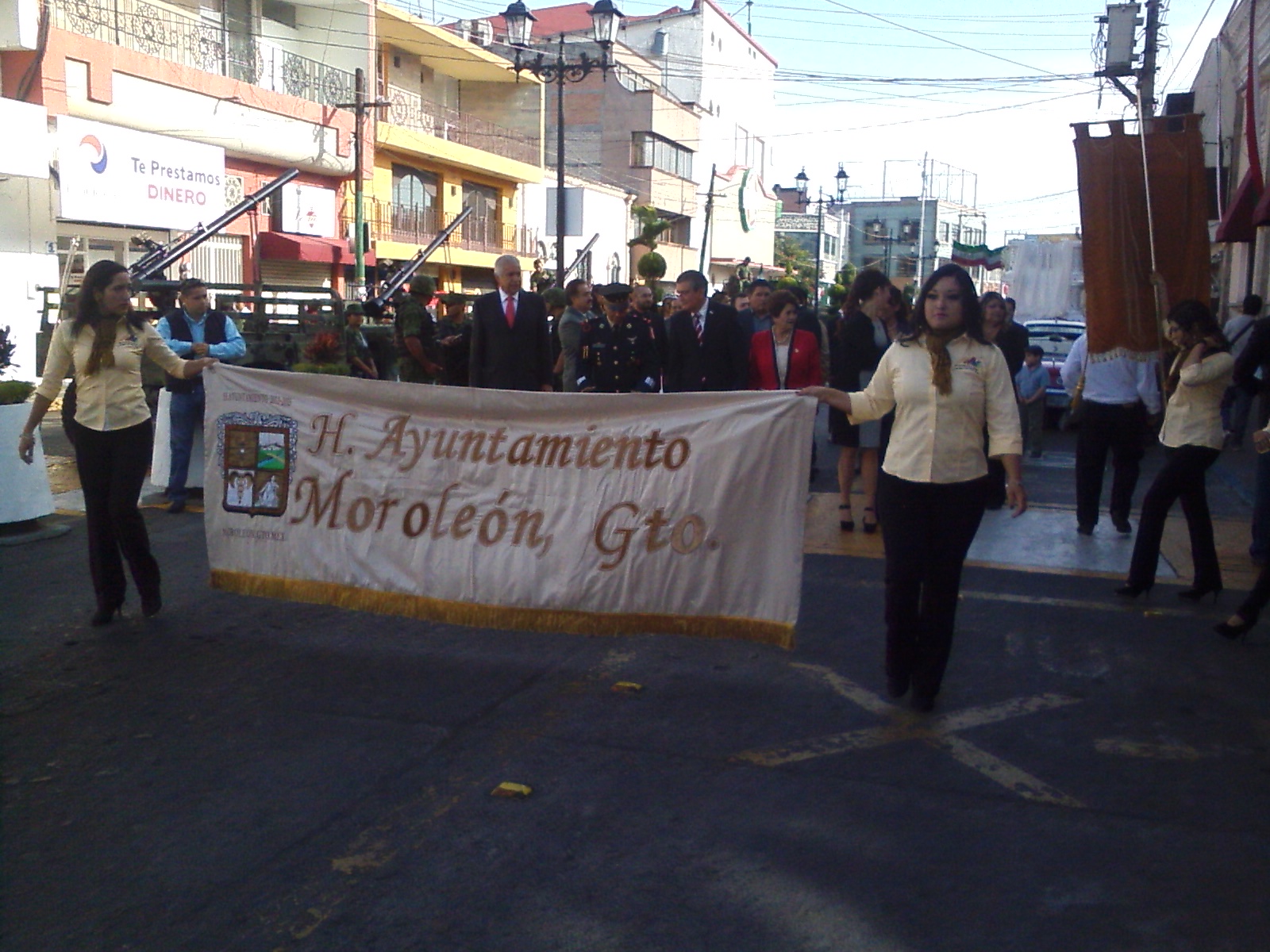
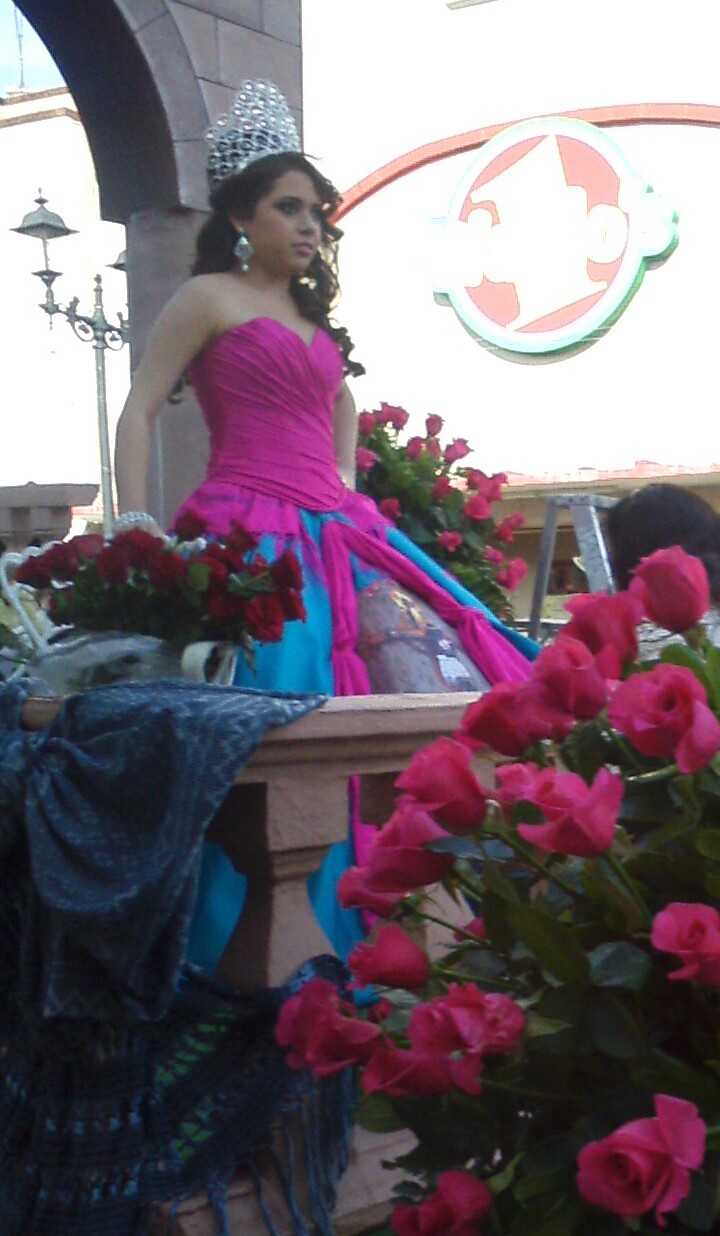
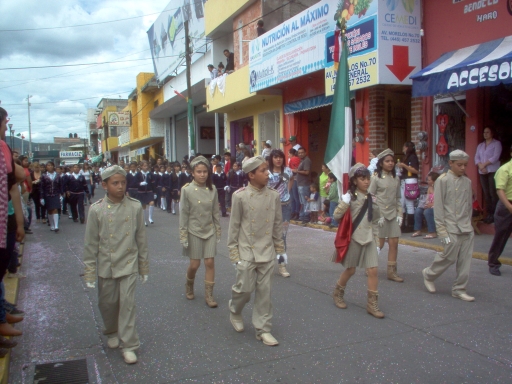
In Moroleón, there is a civic parade in the morning on September 16. The members of the presidencia (City Hall) lead the march with la reina de Moroleón (sort of like the homecoming queen) and her escort of charros (horsemen) finishing it off.

wpid-cam02092-1.jpgwpid-cam02163-1.jpg

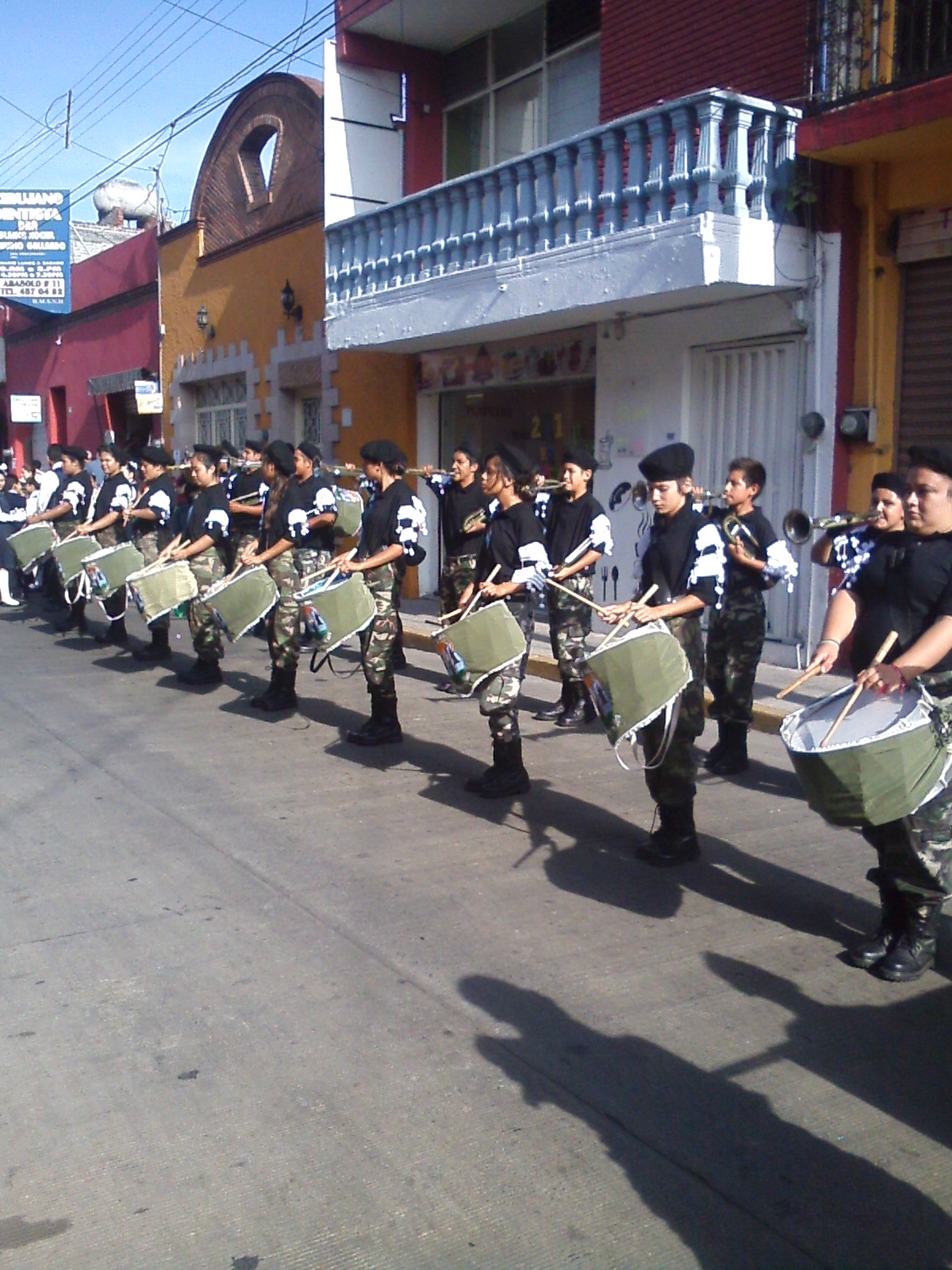
The horses, in my opinion, the best part, are at the very end so that marchers don’t have to swerve around poop piles. Most of the civil organizations of the town are represented, from the Down Syndrome club to those of the tercer edad (elderly). Students from the secondarias (high school) and tele-universities and their drum and bugle members also march. It makes for a long and tedious procession.

wpid-cam02098.jpg

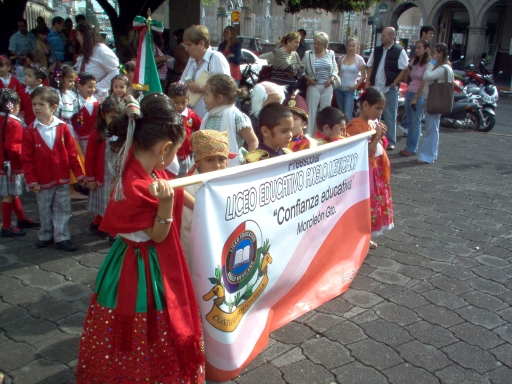
There is a second parade on either the 27th or 28th of the month to mark the day of the Declaration of Independence of the Mexican Empire which happened September 28, 1821, 10 years after the historic “grito.” I’ve mentioned before, things here in México take much longer than anticipated, including the fight for independence. This parade is open to the primaria (elementary) schools in addition to those that participated in the first parade, therefore, an even longer and more tedious procession. Last year my son was chosen to be part of the escolta (honor guard) for his school. As Los Niños Heroes (see above) died defending the flag, in their honor the members of each school’s escolta (honor guard) are the best and brightest with the highest promedio (grade average). Needless to say, I was one proud mama cheering him on!

esculta

Each school has an escolta (honor guard) in the parade.

The kinders (kindergartens) also have a parade, but it is much shorter. It involves no more than 3 times around the plaza but even that is tiring for little legs.
kinder parade
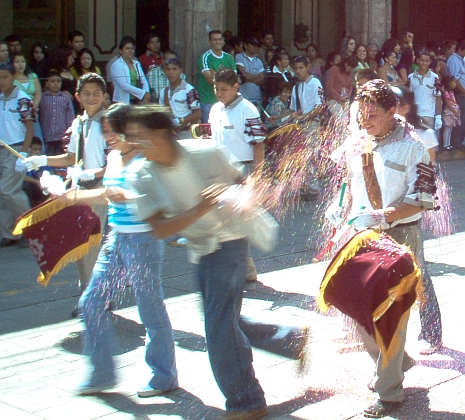
The best part of the parades is the dousing with confetti. Parade marchers that are not honored with the confetti hasta los chonies (all the way to the underwear) experience are those without attentive family or friends in attendance. Bags can be bought for the low, low price of 5 pesos for 2 little bags. I imagine clean up is a drag for the street sweepers though. confetti

If you missed the patriotic events this month, don’t fret. You’ll get another chance in November with the commemoration of the Mexican Revolution!

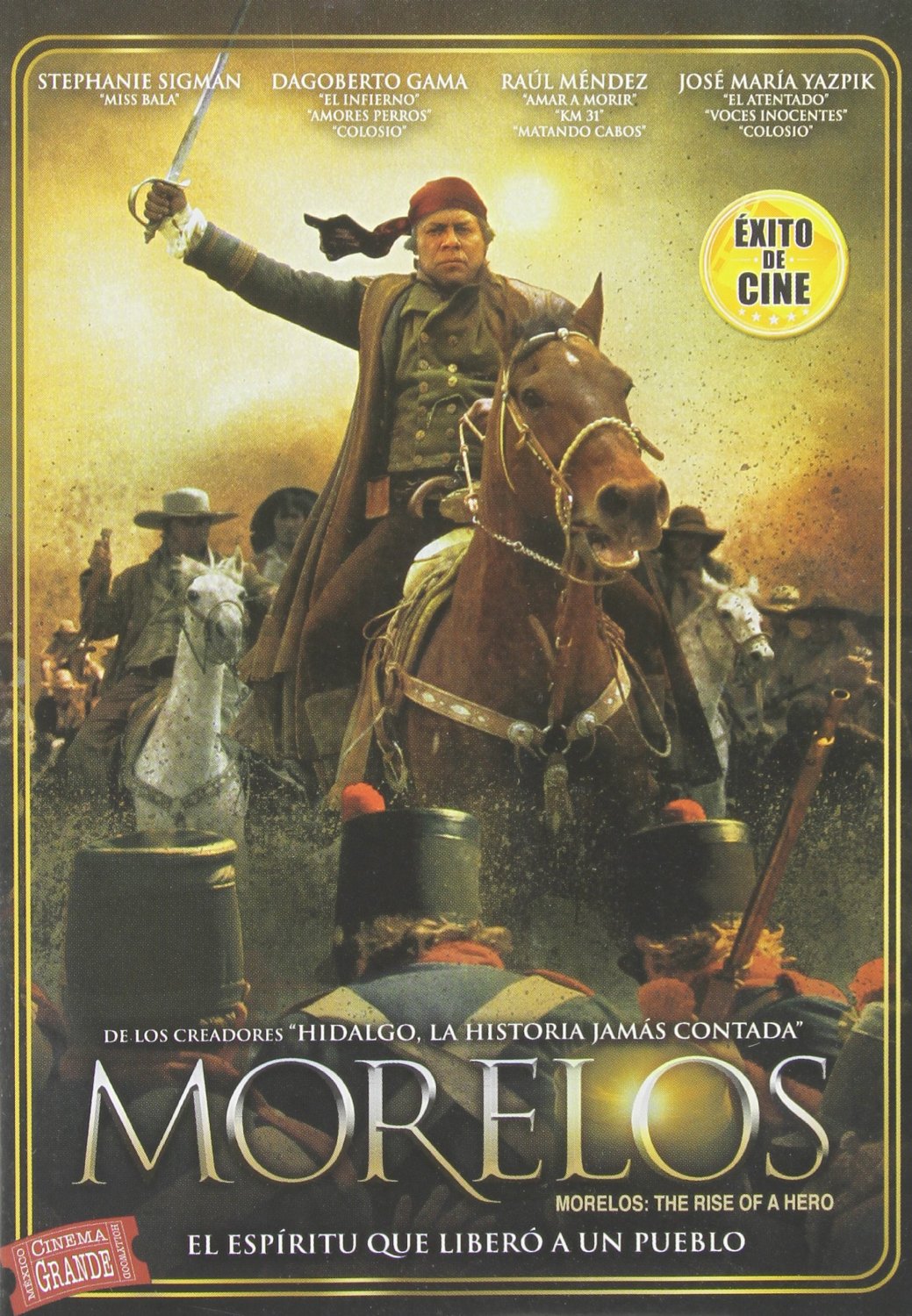
morelos

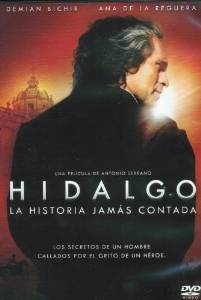
If you are interested in learning more about the complicated events surrounding the Mexican fight for independence, you can start by watching Hidalgo La Historia Jamas Contada.

hidalgo

************************

Do you want to learn more about Mexican history?cover holidays

1 Comment

Filed under Mexican Cultural Stories, Mexican Holidays