
We built our home from scratch. Fortunately, my husband is a builder by trade, with work experience on both sides of the border, and Mexican, which helped us negotiate the best deals. However, even with those advantages, there still was quite a learning curve for me on where to buy construction materials in Mexico.
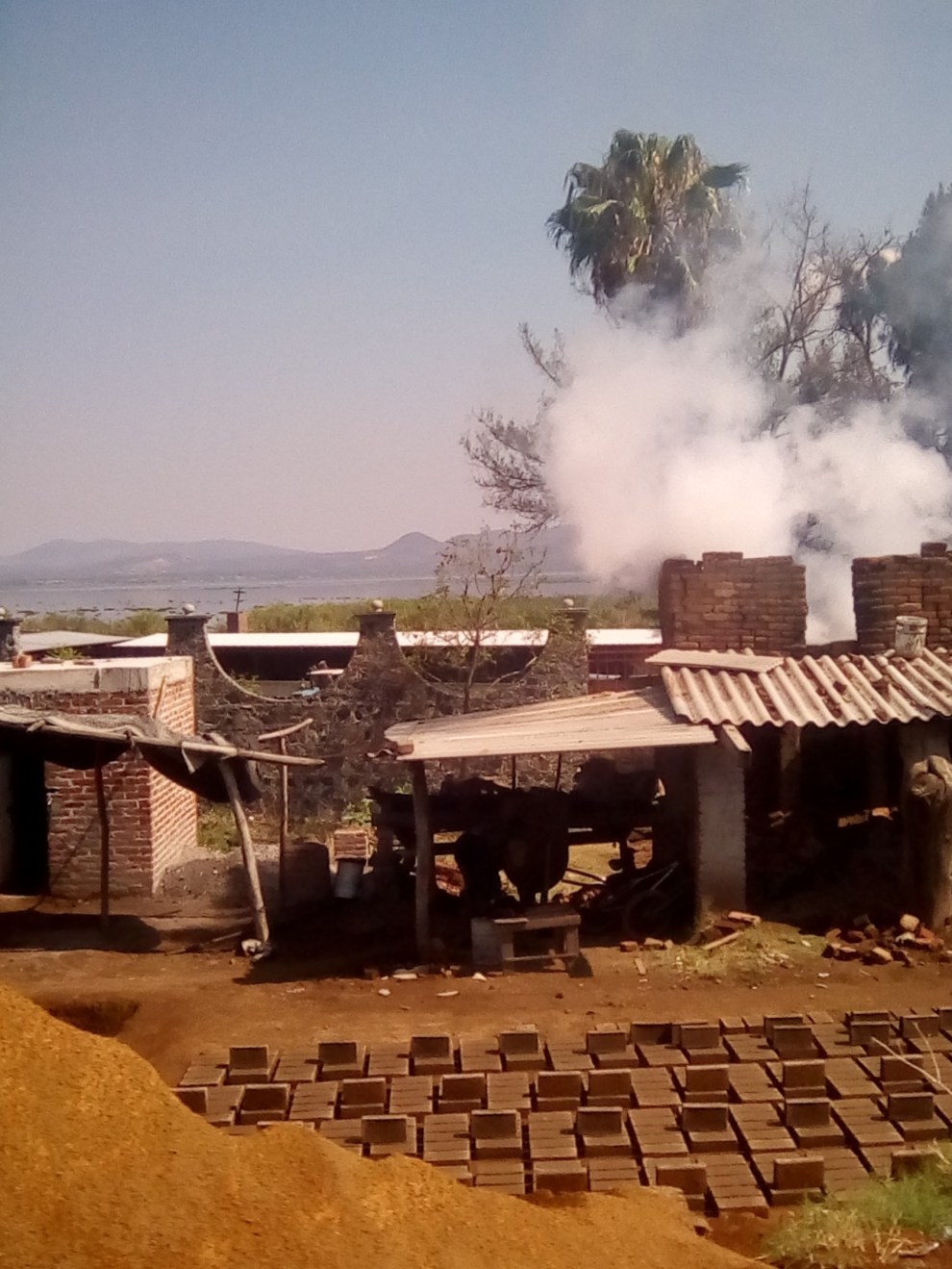 Bricks come in two colors, red and gray and are manufactured in different ways depending on the color. Red, or brown, bricks are kilned in Yuriria, about 40 minutes from here. They are sent to different towns by the truckload. The tabiqueros can be found lounging around their trucks waiting for customers. Bricks are currently between 2.90 and 3 pesos per brick. An entire load of bricks, which usually is about 1600 bricks can be purchased slightly cheaper than the cost per individual brick. The tabiqueros will take the bricks to your construction site, unload and stack them. Try to keep count of the stacked bricks so that you can be sure you are getting each and every brick you paid for.
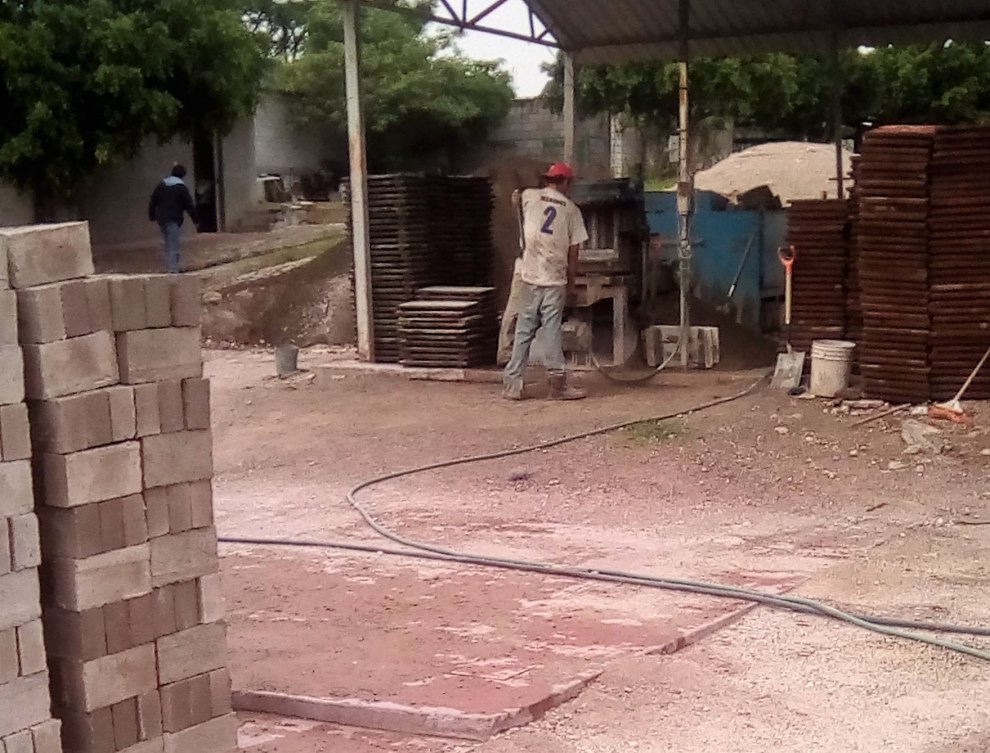 Gray bricks are used for foundations and can be bought directly from the manufacturer, ladrillera mecanizada. The bricks are pressed out 6 at a time. Cement blocks are made in the same manner. One thousand of these pressed bricks currently costs $3000 pesos. Patio tiles, paving bricks, sewer pipes and roofing tiles are often sold at these establishments as well.
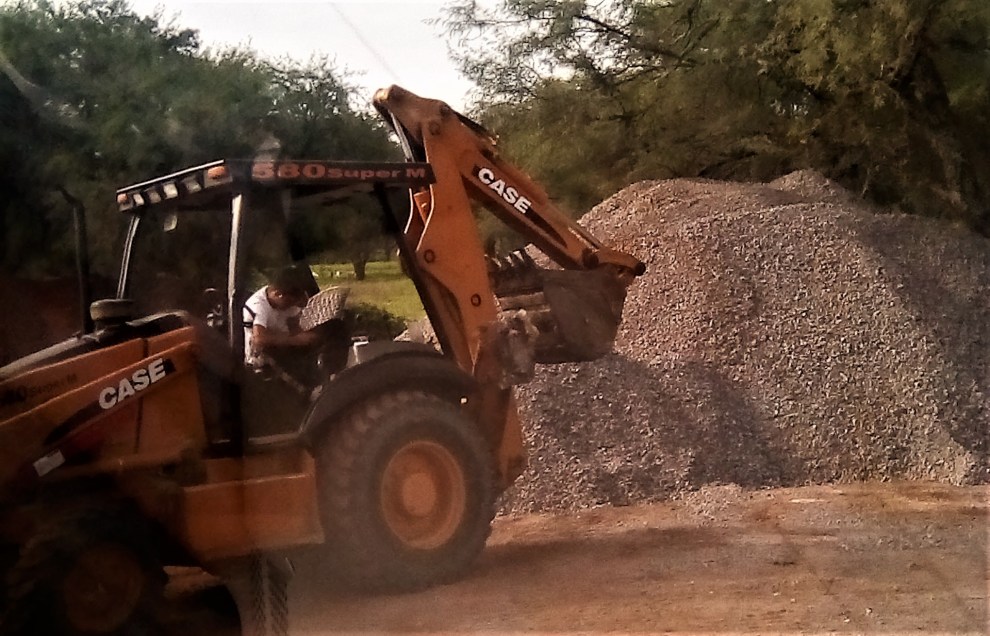 Grava (gravel), arena (construction dirt), relleno (reddish dirt used for fill), tierra (dirt suitable for landscaping) can be bought all at one location, usually manned by a pre-pubescent boy with a backhoe. You can buy these materials by the truckload and have them delivered or you can take your own truck and have the kid load you up. You can buy a certain peso amount or certain scoop measurement. You can have this same boy and backhoe come to your construction site and dig holes or fill in dirt for a nominal price per hour.
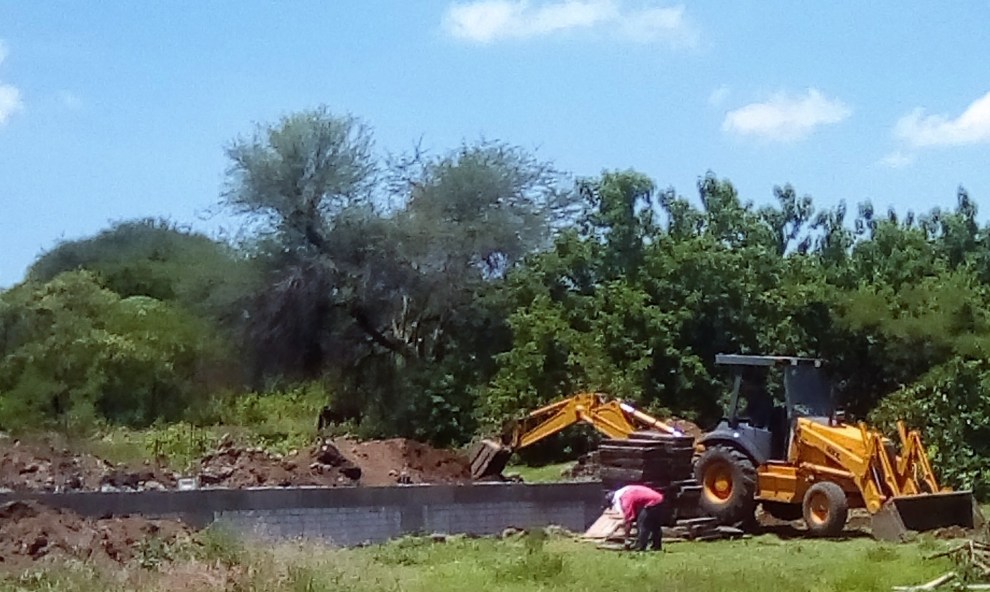 Scalfolding can be rented at places that display “renta de adamios.” Wood used for framing is rented from places that advertise “se renta madera de construcción and charged a monthly rate. You can request tarimas (standard size rectangular pallets used to form poured cement)and vigas (posts) along with miscellaneous wood pieces often cut to the size and specification you need. These items are all treated with oil for waterproofing so you might want to have them delivered to avoid staining your clothes or getting a nasty infection from a splinter. Make sure to keep track of how many pieces you rented, what sizes and when the rent is due.


Wood for actual home use, like ply-board and 2x4s, is sold at the Maderería. Carpenters sometimes sell wood as well. In that case, the sign outside will read Carpintería y Maderería. Finished carpentry is alive and well here in Mexico mostly because everyone has built their own slightly crooked version of a castle and shelves, doors, and even tables must be made-to-order to fit. Prices are reasonable so there’s no reason why you shouldn’t hire a carpenter for your building projects.


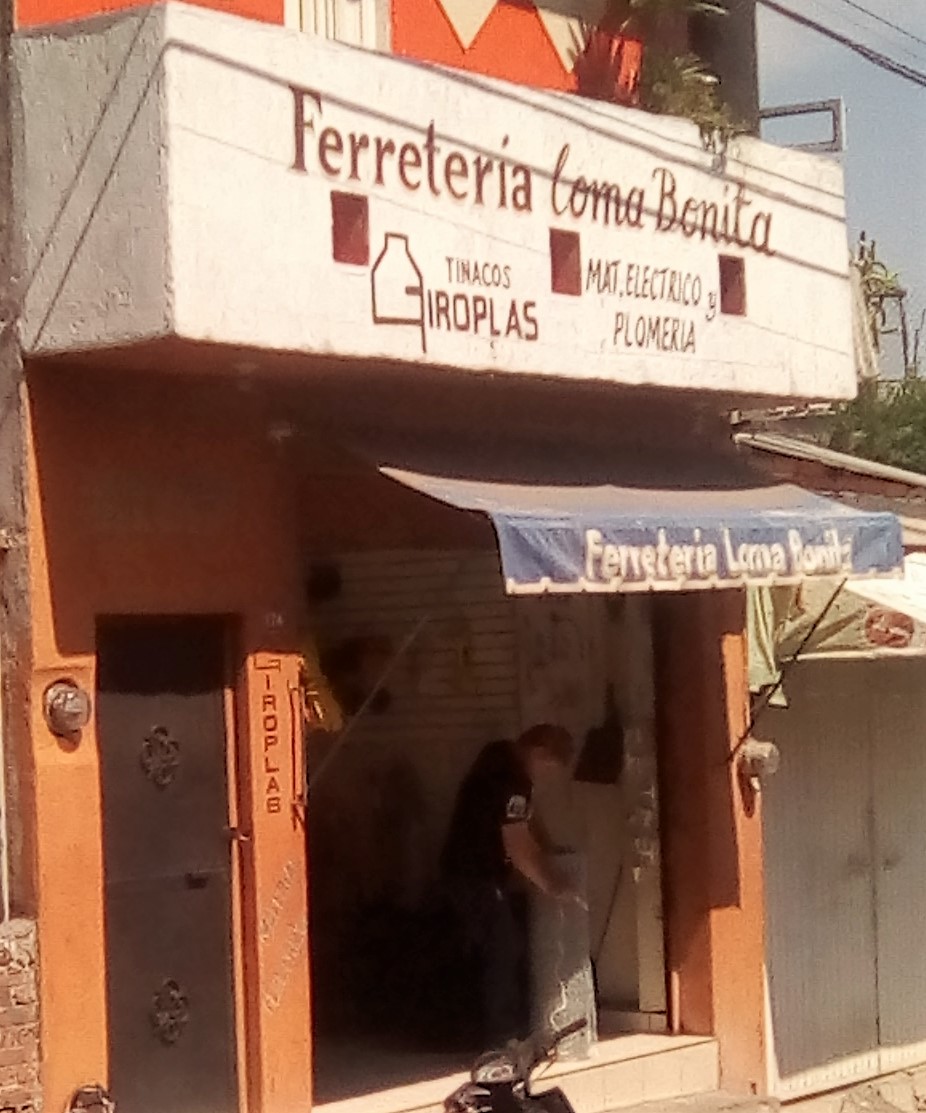
Rebar, cement, cal (lime), mortero (mortar), nails, and other hardware type materials can be ordered from the Ferretería. Place your order at the counter. You can request to see different models of items or ask about the prices before buying. Things are most often sold by piece, by length or by weight rather than by the box/package. If your order is large enough, the Ferretería guys will bring it to your construction site free of charge. If you are doing a large cement project, like a roof, you can rent a mixer here.
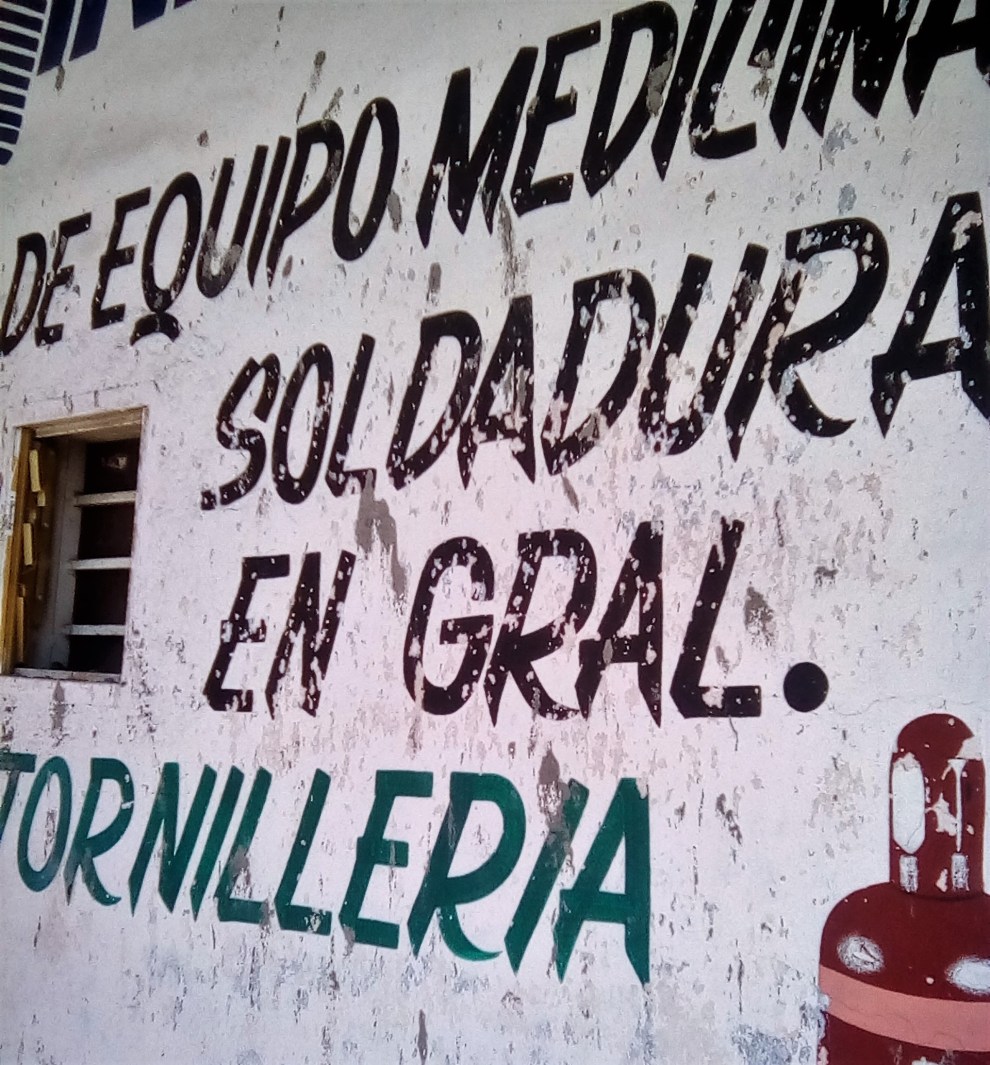
 If you are looking for screw, nails, bolts or nuts that are not your typical size, try the tornillería, that’s their specialty.
 For plumbing, hire a plomero/electricista and get your supplies from el Plomería, or ferre-electrica store. Plumbing and electric are done differently here. Make sure your plumber/electrician is qualified. Often you’ll find those that are working here in Mexico were licensed in the U.S. before being deported. Hiring a plomero/electricista is one of the more costly parts of building but it pays to have it done right the first time. Boilas (hot water heaters) and stove fixtures are also installed by plomeros even though these are typically gas powered appliances.


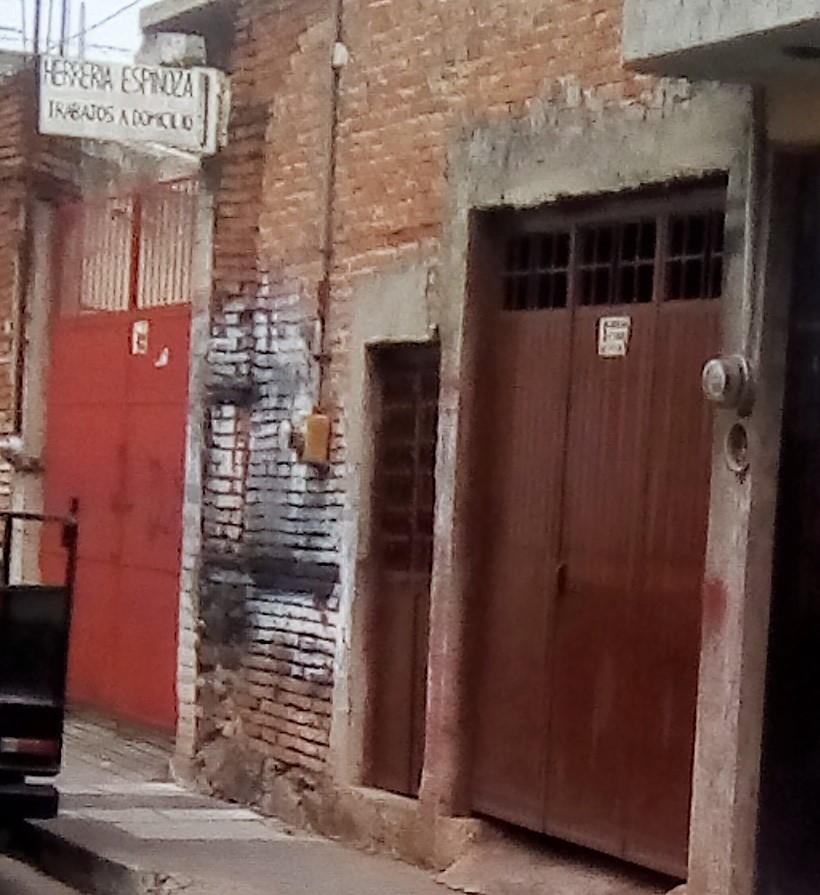
Windows and exterior doors and gates are made-to-order from a Herrería. He will come and take measurements, ask you about style design, make them, paint them, deliver them and install them for a set price. Don’t be put off by the appearance of a Herrería. It’s often shabby looking outside because the doors and windows are spray painted while leaning against the front of the house/business.
 The glass part of windows and doors are made by the vidriería who will again come and do measurements, cut the glass to size, deliver and install them for a set price. There are options for your glass. Vidrio chino is a type of glass with designs on it or opaque. Vidrio claro is regular glass. Vidrio filtrasol has a thin layer of UV shading. Espejo is mirror glass.


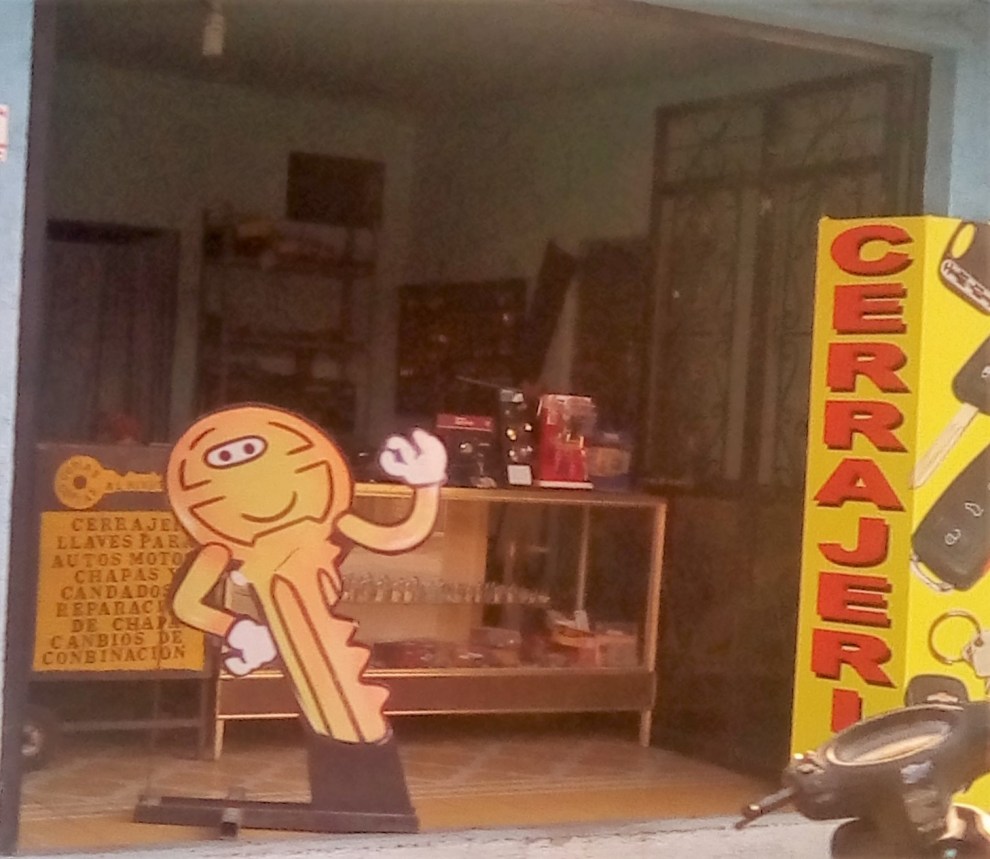
Locks, handles, and keys are made by the Cerrajería (locksmith). Broken chapas (locks) can also be fixed and spare keys made at the Cerrajería. If you lock yourself out or lose your motorcycle key, it’s possible the Cerrajería can help you out but it will cost more.
 Láminas (corrugated tin sheeting) can be bought at the laminiería. but can also be found at most Ferreterías and even some Madererías. This is often used for roofing and comes in Láminas de Acero (steel sheets), Láminas de Policarbonato (Polycarbonate sheets), Láminas tipo Teja (teja roof tile style), Láminas de PVC (PVC sheets), and Láminas Acrílicas (Acrylic sheets).
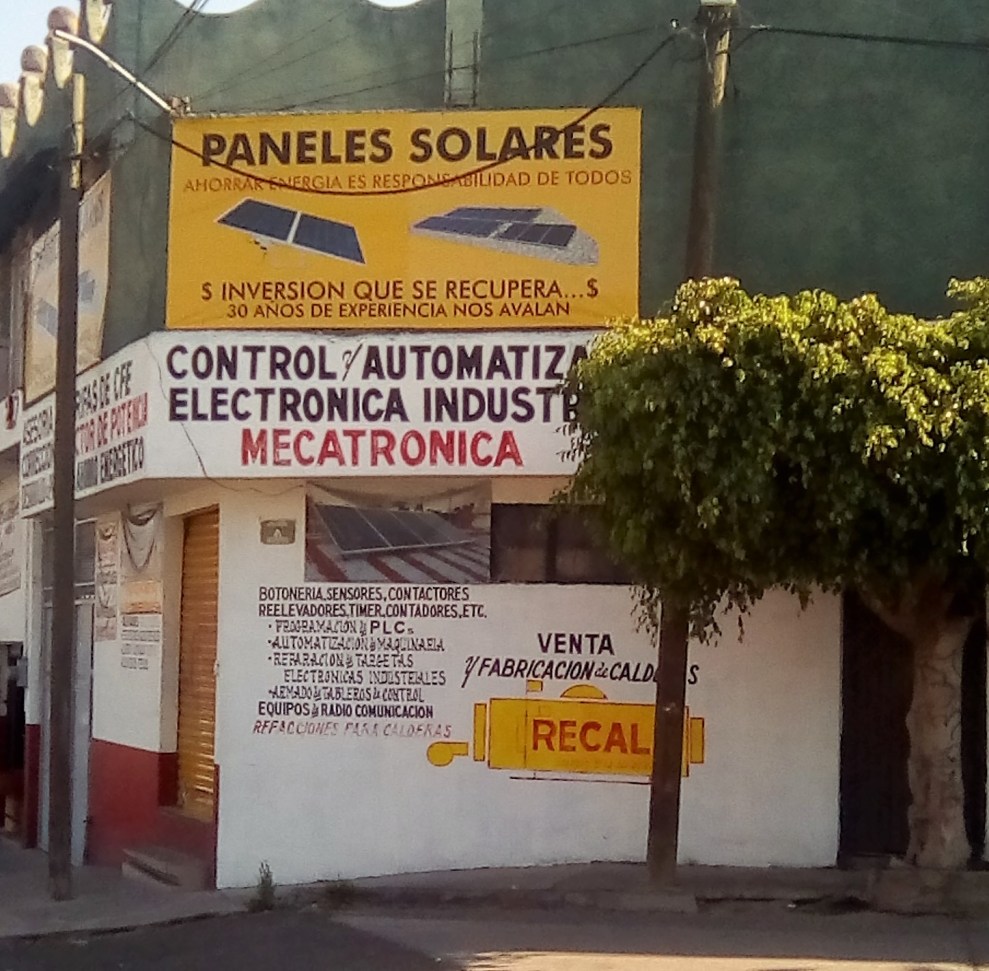
 Lighting fixtures and wiring are found at the Ferretería and ferre-electrica. Some electrical places are beginning to carry solar products as well, but most solar electricity items are found at their own little store.
 Tinacos (those large water storage containers on the roof) for some reason are often sold at places where you get tile. Look for tinacos and tile displays at stores that sell pisos y azulejos (floors and tiles). Mosaico (mosaic) is the older, thick tile style. You’ll most likely also find toilets, sinks, and bathtubs at these stores.
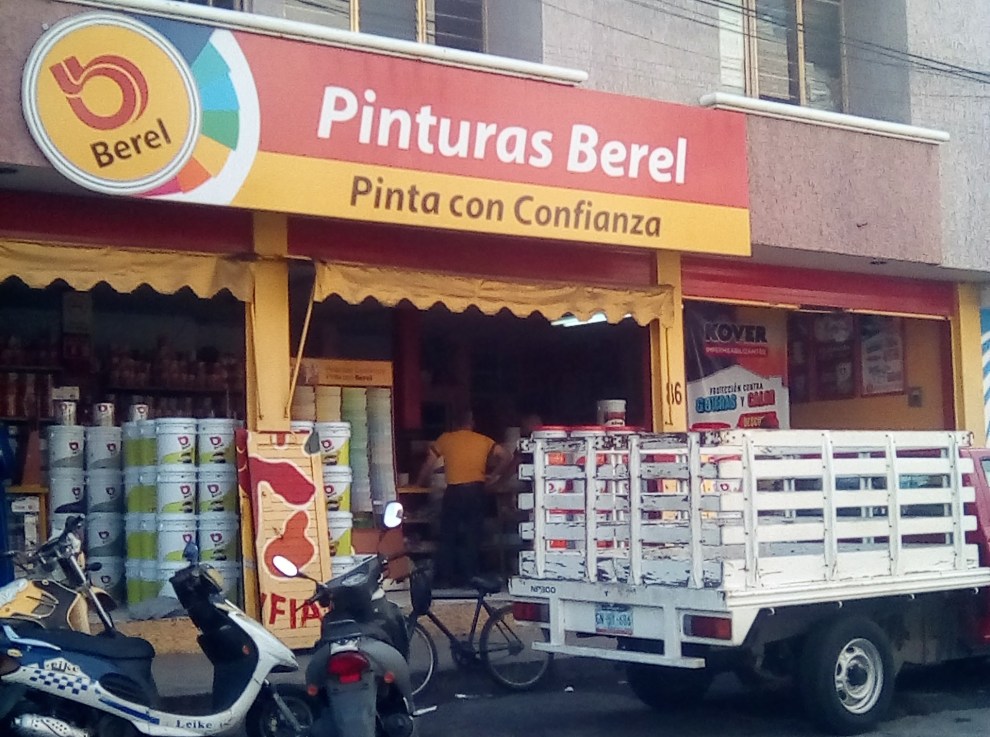
 Both exterior and interior paint can be bought at places that sell pinturas. Try to at least buy the mid-priced paint. Cheaper paints are mostly water and you’ll need several coats of paint for it to look nice. Just so you know, if you hire a painter, expect him to thin even the wateriest paint with water before applying. That’s just how they do it here.
 There you have it! Now you know where to go for your construction materials. So what’s your next project?




 Surviving Mexico