Natural Healing–Nispero leaf tea — Loquat leaf tea

Interested in natural remedies? Uncover herbal remedies from traditional Mexican sources for healing and wellness in the Exploring Traditional Herbal Remedies in Mexico series.

I have long enjoyed the nispero fruit which is known as míspero locally.  Mama Sofia had several full-grown trees and when in season would always give us a bucketful to take home.  My husband has been trying for years to grow our own nispero tree. One time Miss Piggy broke loose and ate it.  Another time, a hoard of ants stripped the sapling bare overnight and it dried out. A third planting was destroyed by the chickens.  However we currently have not one, but two, healthy nisperos out back. They aren’t mature enough to produce fruit yet, but I have made nispero leaf tea.  It’s delicious! It has a fruity flavor all its own.

IMG_20171030_111336

The nispero (Eriobotrya japonica) otherwise known as loquat is not native to Mexico or Japan, but China.  I wasn’t able to trace its migration to Mexico, although I imagine it came with the Spanish.  Regardless how it arrived, it is a healthy addition to your Mexican diet whether eaten as a fruit or enjoyed as a tea.  It’s long been used to treat skin inflammation and respiratory problems in China. Here are some other health benefits:

Loquat has been found to be Anti-acne, Anti-aging, Anti-allergy, Antioxidant, Anti-inflammatory  and provide beneficial immunomodulatory effects (Read more here and here and here.) It reduces body weight through control of lipid metabolism and reduces fat deposits in the liver. The loquat flower has a protective effect on acute alcohol-induced liver injury. Loquat also reduces total cholesterol and triglycerides (Read more here.) and prevent skeletal muscle atrophy. (Read more here.) It is useful in treating diabetes (Read more here.), useful in treating cancer (Read more here and here and here and here.), useful in fighting bacterial infections, and useful in the treatment of respiratory disorders. Loquat leaf tea is known to relieve cough and reduce phlegm. as well as aiding in the treatment of chronic bronchitis.  Finally, Loquat suppresses ovariectomy-induced bone mineral density deterioration.  

Here’s how to make nispero leaf tea:

Pick a handful of leaves, preferably young leaves.  Scrape off the furry underside. Wash and let dry.
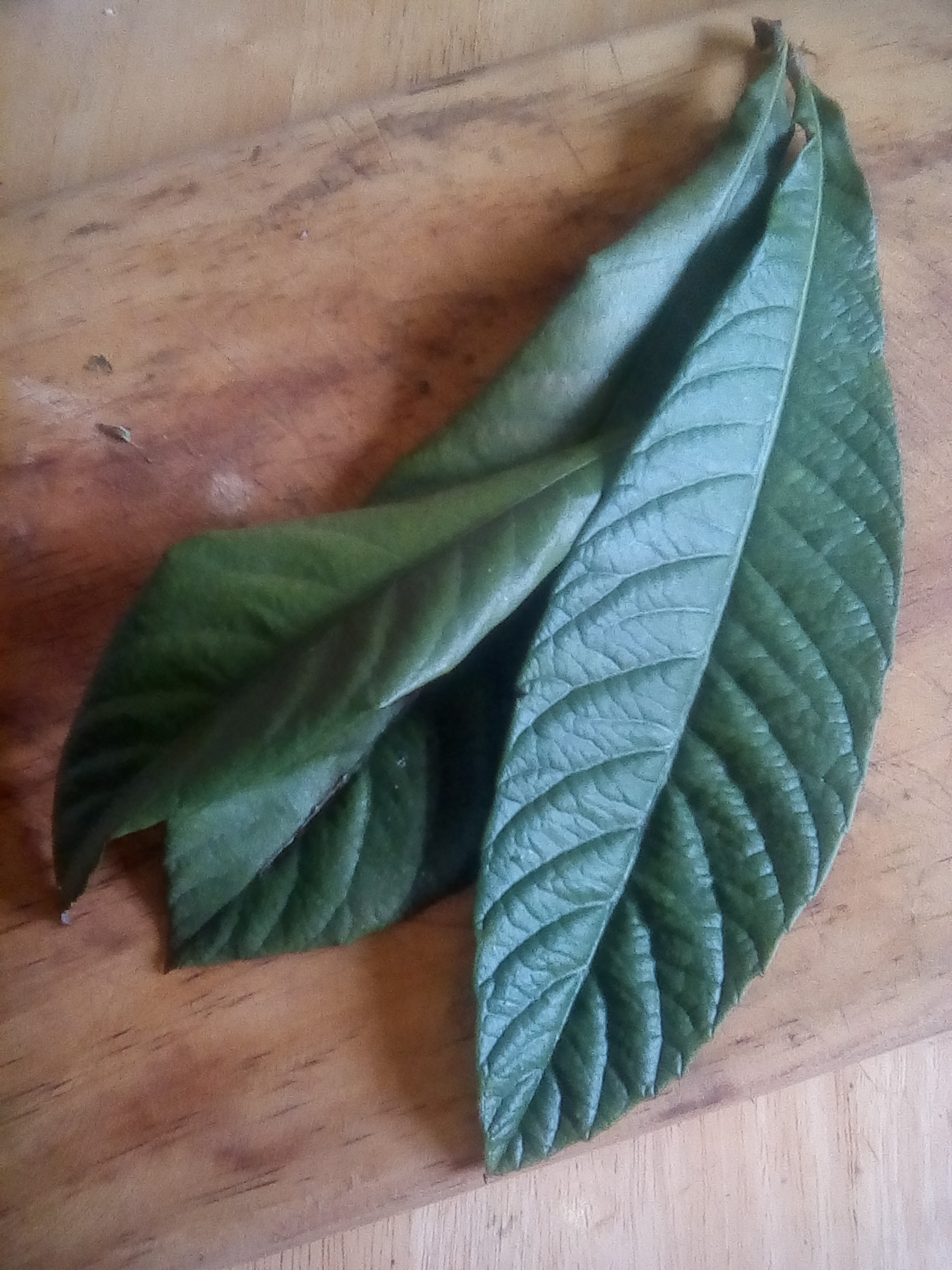
IMG_20171030_103055

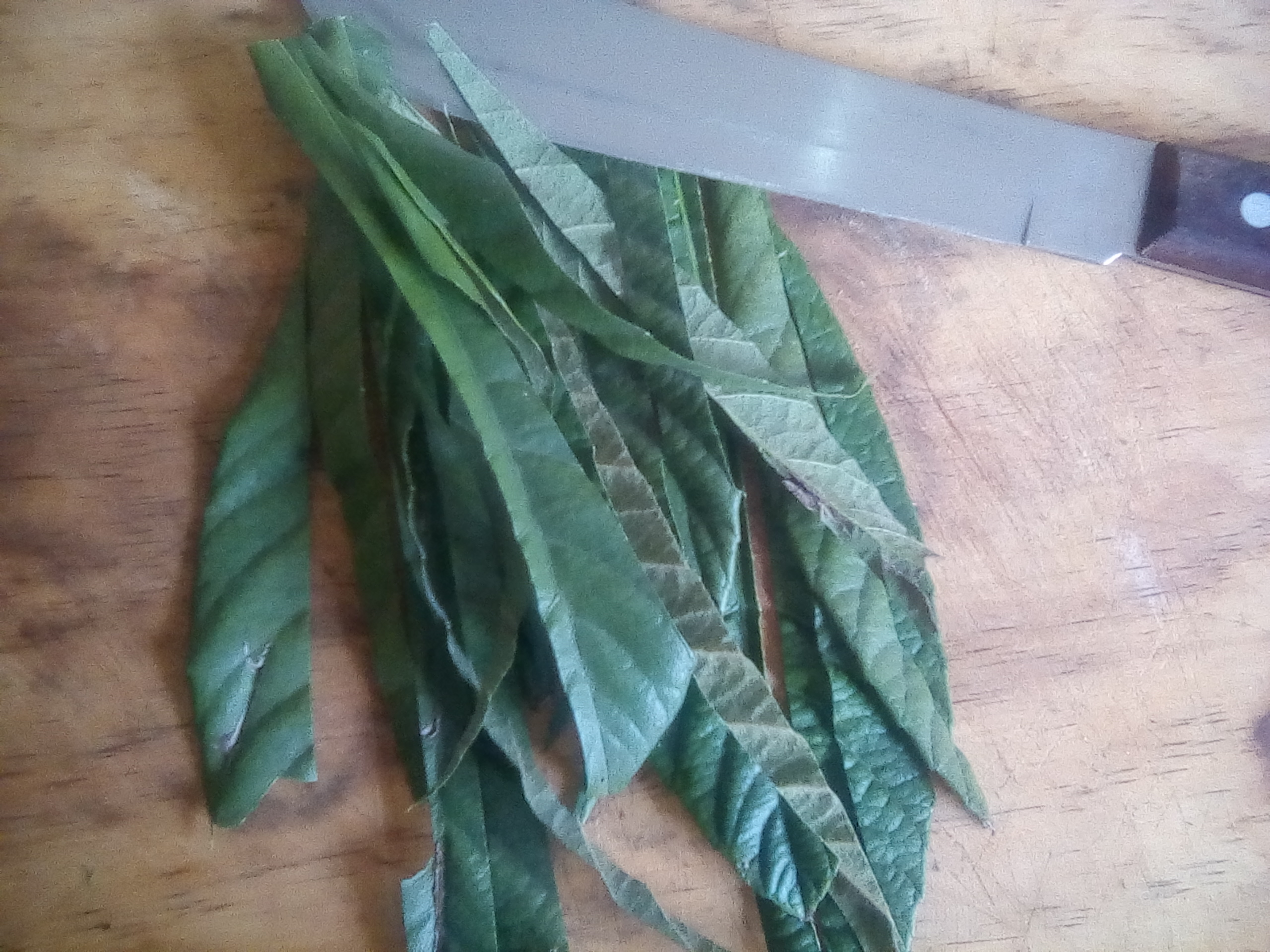
Cut the leaves lengthwise in long stripes to reduce oxidation.  
IMG_20171030_103236

Bring to a boil, then simmer for 15 minutes. Let the leaves steep for 10 minutes. Strain and serve. Flavor with honey if desired.  It really doesn’t need it. The flavor is lightly fruity.

IMG_20171030_103436.jpg

I found one recipe that suggested the tea can be served as a hot toddy, with a splash of whiskey or bourbon and lemon on the side.  I suppose it could. Maybe I’ll try it this way during the rainy season on one of my days off.

******************************

6 Comments

Filed under Mexican Food and Drink, Natural Healing

Mama Sofia

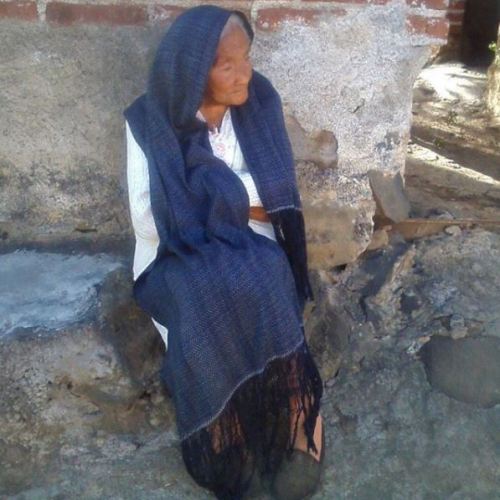
In March, Mama Sofia, my husband’s grandmother, died. She was 97 years old. She was able to recognize and converse right up to the end. She was ill for about a week and stopped eating, insisting she wasn’t hungry anymore.

She had been living in Zamora, Michoacan with her daughter since her husband Tio Felipe died. We didn’t find out that she had passed away until the next day. We gathered the clan and headed out immediately from Moroleon. It was a hot, dusty, uncomfortable 3-hour drive.

When we finally arrived, I was a bit taken back by the house where Mama Sofia had been living. Her house in Cerano was only two rooms, but comfortable. This house was made of cardboard with a corrugated tin roof. I knew that her daughter C. was not so desperately poor that this was the only option available. She had run a successful tortilla business for years. But, when I met her husband, things became a little clearer.

C’s husband received us like a sultan on his bed, hidden in the interior of the house that seemed more like a labyrinth to me. He had the only fan in the house directed at him, never mind the mourners crouched around the rapidly decomposing body of Mama Sofia. His entire contribution to the evening’s events was sipping from his tequila bottle, although to be fair, he did offer everyone a shot in their coffee before retiring.

Things in Michoacan are done a little differently. Beneath the casket, there was a cross made of cal (lime) and two bowls of purple onion in vinegar rather than a dirt cross and sliced squash to draw out the “cancer” (bad humors) from the body. Twenty-four hours after death, there must be a misa (mass) said for the departed soul.

Things in Mexico often take longer than it seems like it should. Therefore, there was a hold-up for the mass scheduling and burial. Instead of taking the body to one of the templos (churches) the priest came to the house. And what a priest!

He was young. I’d say no older than 25 or so. He also was from Cuba and had just been transferred to Zamora. This funeral was his first in the community. Much to my surprise, he transformed from a serious young priest into a scolding fire and brimstone preacher in just minutes. Nothing he said during the course of the evening was in the least bit comforting for the family. He scolded them about not knowing the Lord’s Prayer well enough, about having the body placed in the casket before being blessed, about gossiping in the presence of a dead person, about the lack of confessors, about having no woman to lead the prayers with the rosary, about having a rosary that was blessed by the priest on Viernes Santo (Holy Friday) apparently that’s a no-no, about kids having caps on in the presence of death and on and on.

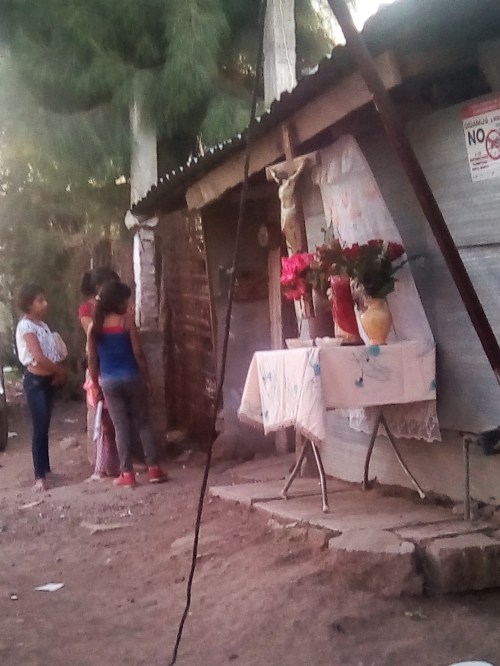
So since Mama Sofia couldn’t get a mass scheduled at the church at the 24-hour mark, the priest did a full mass right there on the dirt street, in front of the cardboard house that sheltered Mama Sofia’s body. He enlisted an altar boy. C. set up the altar on a folding table and hung a large Christ image from the roof. He enlisted a woman to read some bible passages. He enlisted 2 ladies to pass the collection dishes. And he enlisted me.

Yes, me. Somehow I found myself being blessed by the holy father and transformed through the holy spirit into a Catholic. My son said I had a deer-in-headlights look the entire time. That’s pretty much how I felt. My job was to handle the wafers, dip them into the wine, say “El cuerpo y la sangre de Cristo” and pop them into the open mouths of the recipients. Me. I’m still in shock I think. Somehow, I think this wasn’t quite orthodox.

I managed it though. There were more wafers left at the end, so everybody who took communion, and a few who didn’t (like me) were given a mouthful. Apparently, once the wafers have been blessed it would be a sin to waste them.

The priest had the same idea about the communion wine. After the service, he not only polished off the entire bottle but opened a second one. Then he introduced us to his 9 or 10-year-old son who travels from congregation to congregation with him. Ummm, ok.

While we were sitting around after mass, there was a spectacular bike crash between two of the neighbors behind the boards on buckets pews. While these two guys were arguing over whose fault it was, a man with orange and black pumpkin boxers on and nothing else walked through the drama and back with a container of milk. I swear I didn’t touch the communion wine!

Then, somehow during the prayer session (rezar) the priest handed me the rosary and told me to move forward a bead every time he said Amen. So round and round the rosary went. When I reached the cross thing, I tried to go backward, but I thought that didn’t seem right, so I jumped the cross thing link and continued around. I really think I need to do some more research on funeral protocol just in case I’m pressed into service again.

The burial wasn’t until 12:30 the following day and most of the clan weren’t able to take any more time off from work, so we piled back in the vehicle around 11 pm to head home. We missed the exit ramp off of 15D and added about 40 minutes to our trip. We did arrive finally, to the delight of our hungry animals and collapsed into our beds.

We will miss Mama Sofia. She was an indomitable woman. It was an honor to have known her.

7 Comments

Filed under Death and all its trappings

Playing Tourist –Huandacareo, Michoacán

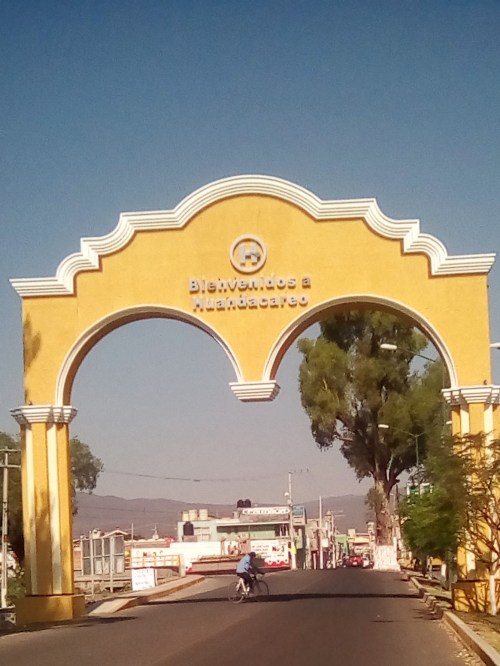
We live just a little too far for most people to head to the beach during the annual Semana Santa vacation period. However, we do live close enough to several lakes which have spawned a number of balnearios (pools literally public bathing areas) to console the would-be beach bum. By far, the most visited are in Huandacareo, Michoacán.

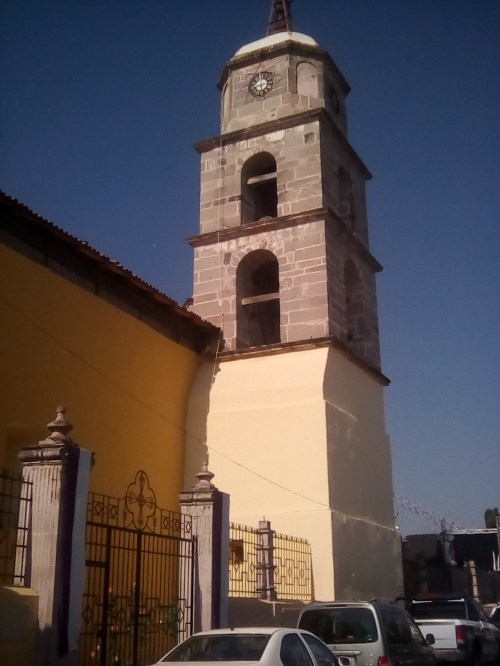
Huandacareo is on the northwest side of Lake Cuitzeo. (See Playing Tourist–Cuitzeo) Its name translates roughly as “area of discourse” and was given it the area when Cazonci, a Purépecha leader, passed through the area after a victory and was honored by the locales with discourses full of praise.

There is an archaeological site that dates back to 1200 CE. called La Nopalera.  It was a ceremonial site where justice was served and criminals were punished. It was still in use at the time of the Spanish conquest. As you can see from the billboard, it’s also used for Holy Week celebrations, in this case, a concert on Palm Sunday.

But of course, the balnearios are the town’s main revenue-generating attraction. We’ve gone on several occasions. I don’t ever take my camera in, so the best I could do was some pictures from the outside.

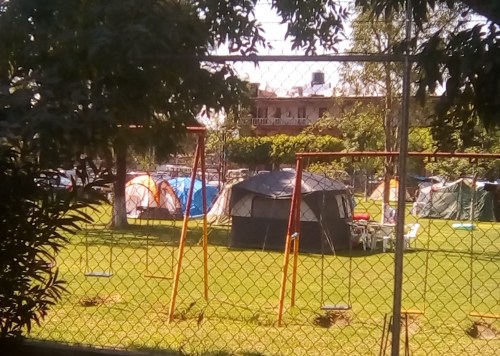
There are hotels you can stay at or you can bring or rent a tent and camp out.

The market area has everything you could possibly need to go swimming.

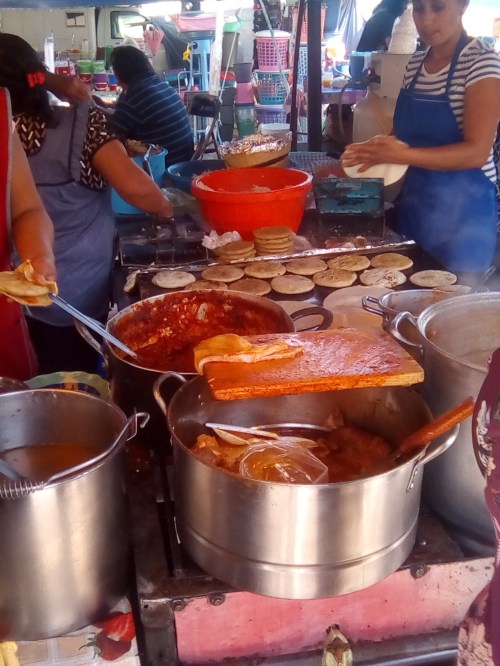
You can get the most amazing gorditas here, not too spicy, not too bland.

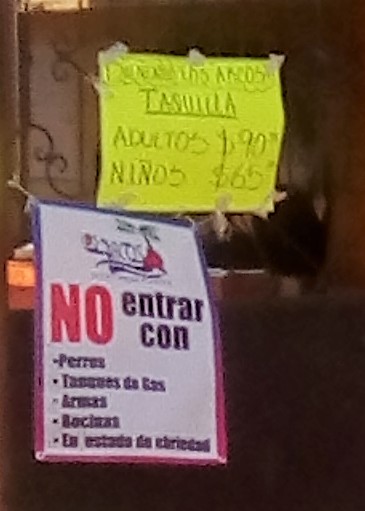
Do not enter with dogs, gas tanks, guns, speakers, or intoxicated

I have to say that it is the most expensive and least fun to go during Semana Santa. Prices shoot up from 40 pesos admission to 100 pesos per person. There are so many people crammed in the pools that you are likely to get kicked in the face. And although you aren’t allowed to enter inebriated, there’s nothing in the rules that say you can’t get drunk while you are in the pool. There are just to many people.

But if you can go during the off-season, it is really a nice place to visit.


3 Comments

Filed under Tourist Sites in Mexico