
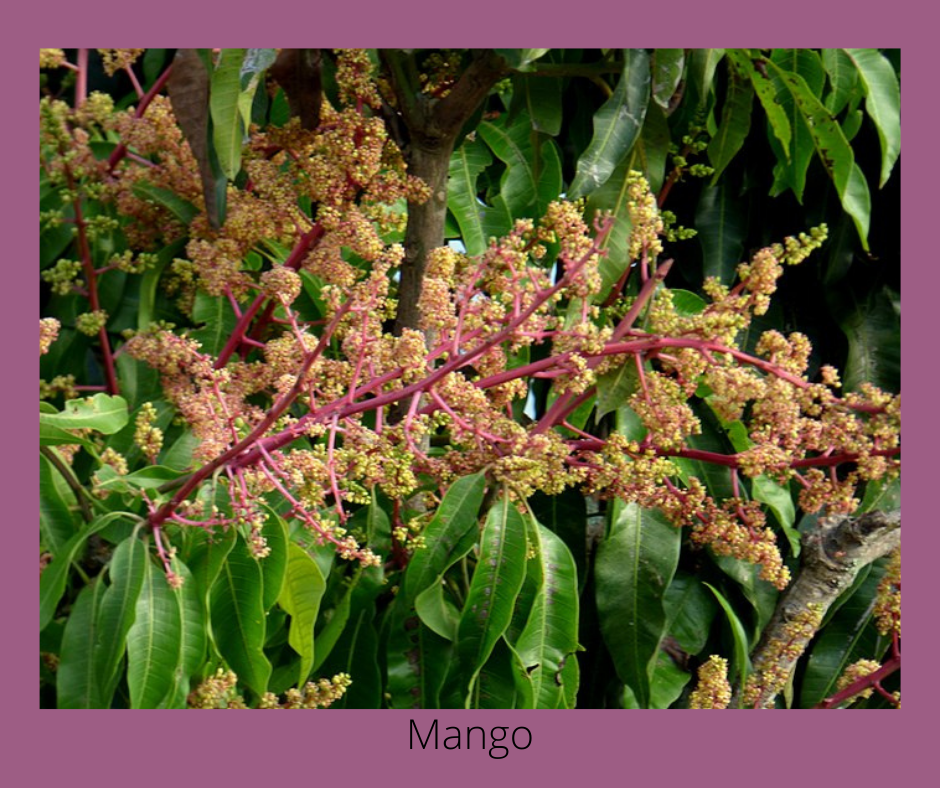
Believe it or not, the mango (Mangifera indica) is not indigenous to Mexico. Rather it originated in India more than 4,000 years ago. Mangoes were directly introduced to Mexico from the Philippines by the Spanish during the 16th century; however, cultivation did not begin in Mexico until the late 18th/early 19th century.
The Ataulfo mango is a hybrid first cultivated in Soconusco, Chiapas. It was named for Ataulfo Morales Gordillo, the owner of the area where the hybrid was first studied and thought to have developed. In 2003, this variety was declared of Mexican origin with La Declaratoria de Protección a la Denominación de Origen del Mango. It is believed to be a descendant of mangoes introduced from the Philippines before 1779 via the Manila-Acapulco galleon trade route. The Ataulfo mango is oblong-shaped with golden yellow skin that is not fibrous. The pit is thinner than other mango varieties, and they weigh between 6 and 10 ounces.
Traditionally, an infusion from mango leaves is prescribed in Mexico for diabetes. It is prepared with eight fresh leaves in 1 liter of water, boiled for 5 minutes, and drunk lukewarm. A stronger infusion is made for anxiety. For high blood pressure, the infusion is made with two partially dried leaves soaked in a liter of water for an hour. Drink 2 cups a day for three consecutive days.
An infusion of mango flowers is recommended for bronchitis and respiratory infections. Mango pulp is suggested as a skin treatment. Just put the fruit pulp on your skin for 10 minutes before washing off. Ripe mangoes milk is considered an essential element in the diets of those wishing to gain weight. The sap is rubbed on heels to help heal cracked and dry skin.
The stem, bark, leaves, roots, flowers, peel, and fruit have antioxidant, anti-inflammatory, antimicrobial, and anti-tumor properties. These same components are immune-modulatory, anti-diabetic, antiviral, antifungal, antibacterial, and antiparasitic. The leaves demonstrate anti-diarrheal, anti-obesity, lipid-lowering, hepatoprotective, neuroprotective, and anti-cancer effects.
Mango juice has shown to be useful in preventing and treating upper-respiratory and gastrointestinal tract infections. Mangoes contain vitamins A, C, D, fiber, and amino acids. It is considered a cancer-preventive food source. The peel and pulp of the Ataulfo mango is a carbon and energy source for intestinal microbiota leading to better digestion.
The compound mangiferin in mangoes has wound-healing capabilities and an antinociceptive effect that reduces inflammatory pain.
There are allergies to be aware of. Mangoes are related to cashews and pistachios, and those that have a nut allergy may also be sensitive to mangoes. The oil found in mango leaves, stems, and sap can cause dermatitis and anaphylaxis, especially in those allergic to poison ivy, oak, or sumac.
Mango Leaf for Anxiety
*12 mango leaves (Mangifera indica)
Bring ½ liter of water to a boil with the leaves. Once it boils, remove from heat and allow to steep until room temperature. Strain and serve with miel (honey) if desired.
***
Interested in natural remedies? Uncover herbal remedies from traditional Mexican sources for healing and wellness in the Exploring Traditional Herbal Remedies in Mexico series.


 Surviving Mexico
_(14484863559).jpg)
Wow you are a plethora of knowledge.
LikeLiked by 1 person
I do extensive research! 😉
LikeLike
Hey there! We really enjoy these type of blogs and the entertaining content that creators like you publish. Your personal voice contributes to the vibrant online community that we all value . Keep sharing and inspiring your audience, because your words can make a significant impact on the world. We can’t wait to read what you’ll produce next!
Keep On blogging!
KetoQueen
LikeLike