
Category Archives: Safety and Security

Echoes of History

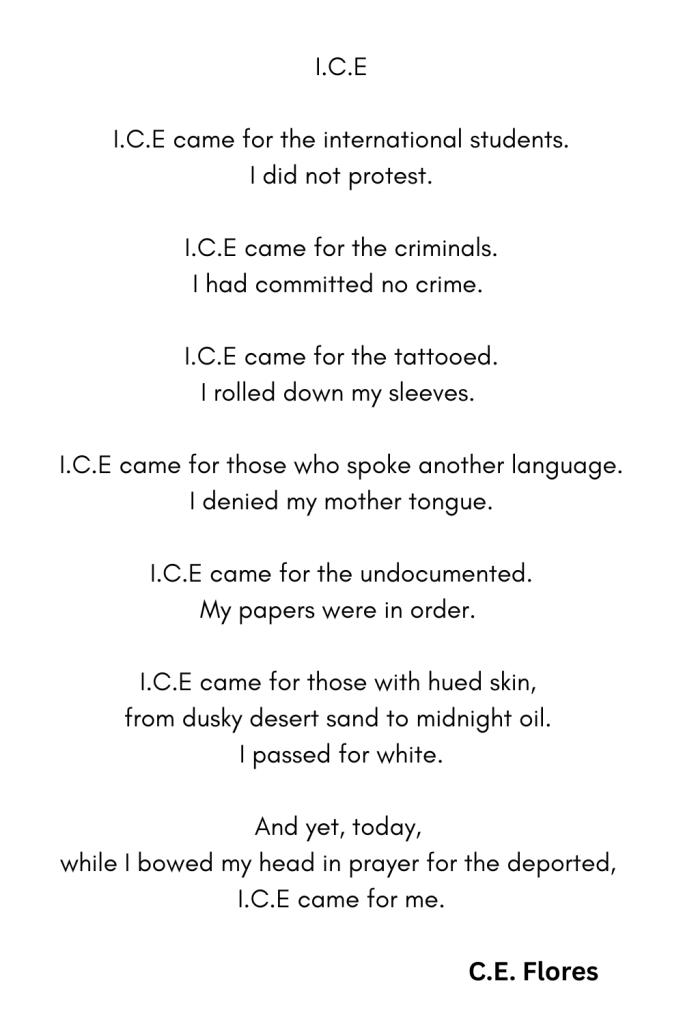
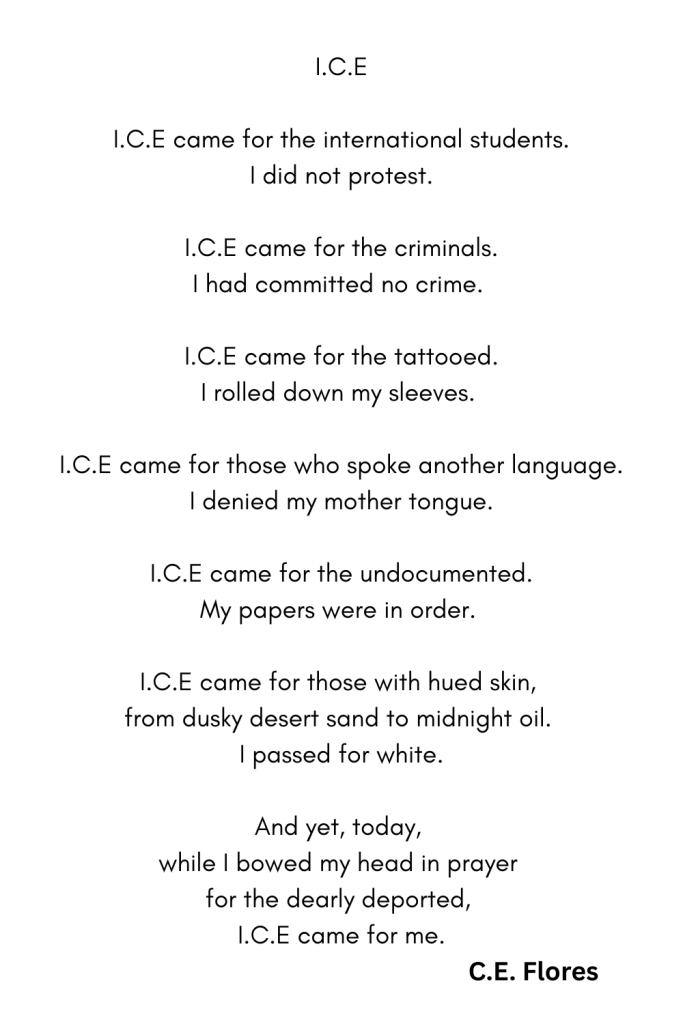
Every morning when I read through the headlines, I become more and more concerned about the direction the US is heading and wonder how the new authoritarian regime will affect my life in Mexico and my loved ones’ lives still in the US. Doing a little historical digging, here are some of the things that concern me most.

Cracks in the Democratic Foundation

Recent analysis describes the U.S. displaying disturbing similarities to Weimar Germany: political polarization, declining institutional trust, extremist rhetoric, socioeconomic anger, and media fragmentation may be pushing democratic erosion, or worse. 

Stanford democracy scholar Larry Diamond sees an accelerating global decline in democratic norms, with slow authoritarian creep in many nations, including the U.S., often underpinned by inequality and disinformation. 

Personal Powerusurpation and Legal Erosion

The pattern of executive overreach in America mirrors pre-WWII Germany. Both invoke “emergency” powers to skirt democratic checks. In Germany, the Reichstag Fire Decree and Enabling Act dismantled civil liberties and legislative authority. In the U.S., critics point to an uptick in executive rulings, including invoking obscure laws to detain or deport without full due process. 

Another hallmark of rising authoritarianism is institutional capture, where courts, law enforcement, and agencies are stacked with political loyalists. The U.S. has seen growing politicization of the judiciary and federal agencies, echoing Germany’s purge of independent institutions. 

Scapegoating, Propaganda, and Cults of Personality

Scapegoating has long been a potent tool for authoritarian regimes, used to unify a majority by targeting marginalized groups. In 1930s Nazi Germany, Jewish people, communists, Roma, and others were falsely blamed for Germany’s troubles and were framed as existential threats to the “Volksgemeinschaft.” Today in the U.S., similar patterns emerge: immigrants, asylum seekers, and religious or racial minorities are increasingly portrayed as threats to national identity or security.

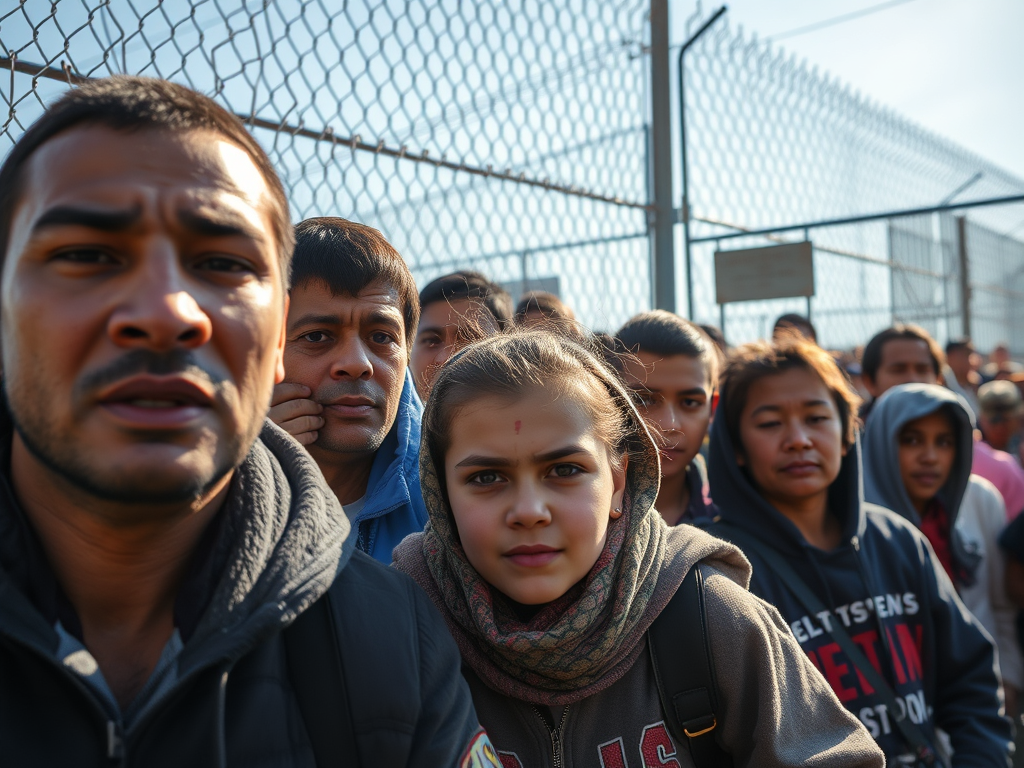
This narrative is reinforced by a vast network of ICE detention centers, now resembling a modern internment system. In 2025, internal planning documents reveal ICE’s intention to nearly double its inmate capacity from 50,000 to over 107,000, which involved adding 125 facilities, including mega-detention and soft-sided “tent” structures, with major private prison contractors like Geo Group and CoreCivic set to profit massively.

First-hand reports reinforce these concerns. Many facilities are described as overcrowded, unsanitary, and neglectful, with detainees forced to sleep on concrete floors, lacking adequate food, water, or medical care. In a harrowing account, a detainee likened conditions to something worse than prison, describing moldy cells and denial of basic needs, while lawmakers seeking oversight have repeatedly been blocked from entering these centers.

The expansion of these detention systems echoes the Japanese American internment camps of World War II. During that era, over 120,000 U.S. citizens and residents of Japanese descent were forcibly relocated and incarcerated without due process, which was justified under wartime hysteria and xenophobia, and later condemned as a grave constitutional violation. Today, the toll of expanding ICE custody, including detaining non-criminal individuals and asylum seekers, is strikingly similar. One report notes that the proposed doubling in detainees would bring numbers “close to the number of Japanese Americans kept in internment camps”.

Beyond physical repression, propaganda plays a crucial role in normalizing such abuses. Just as Nazi Germany used state media and mass rallies to build cults of personality around Hitler, modern political media in the U.S. idolize certain political figures and delegitimize dissent. This framing enables the gradual erosion of democratic norms, painting detention centers as necessary for security, rather than as sites of human rights violations.

All this underscores a brutal truth: once a society normalizes the detention of “undesirable” groups under the guise of security, it erodes the very foundations of rights and protections for all. The U.S. risks repeating historical mistakes unless public scrutiny, media vigilance, and legal oversight intervene.
What This Means for Me as an Expat in Mexico

Mexico as a Historical Haven but Not a Utopian Escape

For decades, Mexico has provided refuge for Americans fleeing political repression and ideological persecution. From anti-war activists of the 1960s–70s to self-exiled journalists, Mexico has been a sanctuary and, increasingly, a destination for U.S. expatriates seeking relative safety or an affordable life. As of 2022, there are an estimated 1.6 million Americans living in Mexico, including retirees, digital nomads, students, and families.

Still, Mexico, while historically hospitable, is not without its challenges. A Los Angeles Times column notes that affluent American expats may unintentionally insulate themselves from local realities, living in privileged bubbles that shield them from poverty, violence, or corruption. “Expats are immune to that… playing the game of life on someone else’s server with cheat codes.”

A major flashpoint has been the sudden rise in anti-gentrification protests in Mexico City’s trendy neighborhoods like Roma and Condesa. In early July 2025, residents marched through long-time urban communities facing skyrocketing rents and cultural displacement triggered by foreign arrivals, often labeled as “digital nomads.” Protesters carried signs reading “Gringo: Stop stealing our home” and “Housing to live in, not to invest in!” criticizing both Airbnb-driven short-term rentals and government-promoted tourism strategies.

Furthermore, Mexico faces its own authoritarian pressures: centralization of political power, weakening of institutions, and militarization of governance. Some analysts argue the country may be drifting toward “competitive authoritarianism.” Executive overreach, judicial reforms, and suppression of dissent muddy the promise of stability for longtime dissidents.

Moreover, political violence, particularly assassinations connected to organized crime targeting candidates, continues to threaten democracy at the local level, complicating political life for both citizens and exiles.

Final Thoughts

Living in Mexico, I’ve crafted a life I genuinely enjoy, built on community, cultural richness, and personal freedom. Despite the challenges, this country has become a place I call home. 

Yet, I can’t ignore that the political climate is shifting here as well. Mexico has increasingly shown a willingness to kowtow to U.S. pressure in politically sensitive areas, a dynamic that could strain its autonomy and indirectly affect those of us who have built our lives here.

  • In August 2025, Mexico extradited 26 alleged cartel members to the U.S., a move many analysts regard less as a sovereign governmental decision and more as a maneuver to appease U.S. leadership and stave off economic sanctions tied to the fentanyl crisis. This bypassed the typical judicial process, suggesting the extraditions were influenced by Washington’s pressure.
  • Earlier this year, Mexico deployed 10,000 National Guard troops along the northern border under Operation Frontera Norte, directly responding to U.S. threats of tariffs linked to migration control, which was a decision seen by critics as reactive compliance rather than proactive defense of national sovereignty.
  • Most notably, Mexico is now pursuing constitutional reforms to explicitly protect against possible U.S. military incursions or interventions, an ominous signal that such threats feel plausible enough to require legal reinforcement.

Whether democracy will crack, stabilize, or rebound is unpredictable, making my life in Mexico feel even more precious and fragile. It’s not perfect, but it might be all there is before too long.

*****
Considering a Move to Mexico?
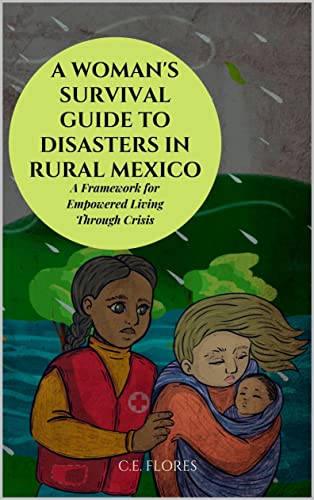
The Woman’s Survival Guide to Disasters in Rural Mexico: A Framework for Empowered Living Through Crisis

In uncertain times, preparation is power. This guide is written for women navigating life in rural Mexico, offering hard-earned lessons, crisis strategies, and resources for building resilience in the face of political, social, and environmental instability. If you’ve ever wondered how to protect yourself, your family, and your future in an unpredictable world, this book gives you the framework to act now.

2 Comments

Filed under Politics, Safety and Security

Watching Human Rights Slip Away

I have to say that the past few months have left me appalled at the actions of the US government. And if current actions are anything to go on, I will continue to be appalled as human rights are stripped from every single immigrant in the land where diversity was once celebrated. 

Because of my community involvement, I regularly come into contact with Norteños (individuals who are Mexican but spend most of their time in the north, otherwise known as the US). Over the past few months, I have been vocal about cautioning them ahead of their intended return when the opportunity arises. The typical response I get is “de lengua me como un taco” which means it’s all exaggerated talk. Some have told me they don’t want to hear anything about it, preferring a head-in-the-sand approach. On their own head be it, then. Others argue that they’ve been in the US for x number of years and nothing bad has happened and that the US could not maintain itself without immigrant workers (both legal and undocumented). While that may be true, it doesn’t seem to faze the current administration. 

Here are some of the things that I’ve been stressing out about because I am powerless to do ANYTHING about it. 

  • The Venezuelan and Salvadorean men that have been sent to CECOT will never see their families again. Despite legal injunctions, more have been deported to that hellhole on Earth this week. 
  • Student protests are grounds for removal. Beliefs that counter those held by those in power are not to be expressed. 
  • Routine traffic stops, immigration check-ins, and social media posts are all grounds for removal.
  • Filing taxes with a legally issued ITIN number gives ICE an excuse to come for you. And even if you have a social security number, you can arbitrarily be declared dead, rendering you unable to work, have a bank account, get a driver’s license, pay taxes, get health insurance, and so on. 
  • Noncitizens aged 14 and older who have been in the U.S. for 30 days or more are legally required to register with USCIS. The registration process involves providing personal information, including fingerprints, address history, and other biographic details. Registered individuals are required to carry proof of registration at all times. 
  • Immigrants waiting for their hearings have been sent messages telling them to self-deport immediately.

I saw that there have been nationwide protests. So what? The individuals in power aren’t stopping. In fact, they’ve become even more brazen. 

History has already shown us what the end result will be. The family detention camps have already been built. 

Here are some links to further reading in case you missed these alarming developments:

📄 News Articles

**********

1 Comment

Filed under Politics, Safety and Security

Prepping in Mexico –Extortion and Kidnapping

Extortion is being forced to do an activity like pay money or provide information by force, violence, trickery, or intimidation.  The prevalence of impunity found in most of Mexico allows the criminal organizations, usually with ties to the dominant cartel in the area, to literally get away with murder when it comes to extortion. In one survey, one out of every four participants had been a victim of extortion.

In 2017, 6.6 million cases of extortion of individuals were reported, while there were 525,000 cases of extortion against companies in the same time frame. Mexico’s National Agriculture Council estimates that more than $120 million is paid in extortion annually by farmers.

Some common extortion methods are:

Gota a Gota 

When a gota a gota (drop by drop) racket is set up, a small business owner or street vendors is given a high-interest rate loan by the organization to improve businesses or purchase merchandise. Initially, the interest rate verbally agreed upon might be 15-20%. However, the rate increases to 50% four weeks or so later. When business owners can not pay, they are threatened, robbed and attacked.

Mexican small business owners are extremely susceptible to this type of extortion because only about 39% of the population of Mexico has a bank account, a requirement to get a small business loan from a bank. Furthermore, experts estimate that 75 million people in the country have no access to financial services to start-up micro or small business, making a loan shark the only available option.

La Cuota

La cuota (cut) is money solicited from businesses, farmers, teachers, taxi drivers, street vendors and other merchants for “protection” at regular intervals. Nonpayment results in the destruction of property, violence, kidnapping or murder. Many who have been unable to pay have been forced to give up their business, sell their farms, or move away.

Cobro de piso or Derecho de piso

Business and vendors can also be solicited forcefully for a Cobro de piso or Derecho de piso which is understood as a “fee” to use the space the business is on to conduct business. This is not a rental fee, but additional extortion. Sometimes the victims are asked to pay money, other times they are forced to sell certain illegal items from their stalls or provide “favors” to certain individuals. For instance, a restaurant may pay the cobro de piso by allowing a certain mariachi band to perform instead of another. Or a taxi driver may pay for his derecho de piso by transporting drugs across the city.

Cártel del Tabaco

Associated with Cartel Jalisco Nueva Generación, the Cártel del Tabaco forces vendors and small business owners to sell Tobacco International Holdings (TIH) cigarettes by threatening their lives and livelihoods. First, the operatives pose as government representatives and conduct a raid on the establishment, seizing “forbidden” merchandise. The business is then served “official” documents that list the approved brands of cigarettes. Vendors who refuse have been tortured and killed.

La Mordida

La Mordida literally translates as “bite” and refers to money paid to a government official. You may be a potential victim of la mordida if you are pulled over for an imagined traffic violation. Even after presenting all your documentation, the officer may change the charge or threaten to impound your vehicle. La mordida also occurs in situations where you need certain official documents. Obstacles are created making it impossible for you to get these documents through any legal manner.

La mordida may be offered to the official with ¿No habrá otra manera? (Is there no other way?) or ¿Cómo nos podemos arreglar? (How can we reach an arrangement?).  The response to either question is the amount of the bribe necessary to fix the situation. Sometimes there is a bit of negotiation before the final price is agreed upon by both parties. The money is then transferred discretely, hidden in the pages of a pamphlet or beneath the “ticket.”

La Palanca

When La palanca (lever) is enacted, it usually does not involve money. Instead, it’s an exchange of favors. You can request la palanca from someone you know directly or from a person related to or known to someone you know. It is used by both sides to solve a problem which requires someone to intervene on your behalf. If someone has gone out of their way to assist you in this manner, then you are under obligation to return the favor at some unspecified time in the future.

La palanca can be created by giving a large donation to a political candidate with the idea that the donator will receive a large work contract when the candidate is elected. Another use of la palanca may occur when a family member needs emergency medical attention. As the process of obtaining adequate medical care can be a long and drawn-out procedure in Mexico, finding a palanca in the medical facility can speed things up substantially as well as provide for higher quality care.

Extorsión telefónica 

Extorsión telefónica can occur when you receive a call saying that someone you know needs X amount of money for X. The caller may imply that he or she knows you or your family member and hopes you will provide information about your location or family. The caller may have some information about your family even, convincing you this is a real situation. The caller will provide you with an account where you can deposit the money needed to pay the coyote (human smuggler), medical bill, or just money to help out. 

Secuestro Virtual

Secuestro virtual is a variant on extorsión telefónica. In this scenario, the caller claims to have kidnapped a family member. There may be someone in the background crying or screaming. In order for you to see your loved one again, X amount of money must be deposited in a certain account or sent through OXXO to X person. The caller threatens to harm your loved one if you contact the police or delay in sending the money. 

Secuestro

Secuestro is kidnapping and it doesn’t just happen to the wealthy. Secuestro exprés (express kidnapping) is the term used when a person is held for a low dollar amount ransom. You can become a victim of secuestro exprés if you get into a taxi that instead of taking you to your destination, takes you to an ATM and demands you withdraw a certain amount of money. Or you are taken somewhere and the kidnapper calls your family to collect a ransom.

Unfortunately, there is no guarantee that a victim of secuestro will be released even after the ransom is paid. Some estimate that at least 200 people are kidnapped in Mexico every day.

This is only a partial list of extortion schemes prevalent in Mexico.  It should come as no surprise to anyone that often police officers and government officials are involved in these extortion schemes, from the seemingly useful palanca to the more sinister secuestro.

What can you do to avoid becoming a victim of extortion? It really depends on the type of extortion scheme being played.

Although many “gringo” sites admonish you to never pay, if you are being solicited for money for whatever reason, it is really up to you to decide to pay or report it to the police. Bear in mind that Mexico has such a high rate of impunity that the chances of something actually being done about it are slim to none.

Once we were asked to pay an exorbitant mordida by the state police in Guanajuato. So that our vehicle was not impounded and we were not left on the side of the road miles from home, we paid the mordida. However, since all our vehicle registration papers, driver’s licenses, and identifications were in order, we went to the state police office to file a complaint. The man at the desk gave us a form to fill out which was forwarded to Guanajuato City for investigation.

During the two months that the case was under review, we were harassed by the state police nearly every time we ventured out. After the judge reviewed the case, he determined the two police officers involved were at fault. They were suspended for two weeks with pay as punishment.

If the extortion attempt is being made over the telephone, do not provide the caller with ANY information about you, your location or your family. Hang up. Contact the person who the caller said was injured or being held for ransom immediately. You can report extortion attempts in Mexico by calling 088 or by contacting the Centro Nacional de Atención Ciudadana @CEAC_SSPCMexico on Twitter.

A teacher I worked with was a victim of extorsión telefónica. She received a call during the school day saying that her college-aged daughter had been taken. She was directed to deposit $7,000 pesos into a specific account immediately for her daughter’s release. $7,000 pesos was more than two months’ wages for her. She was panicked when she called her daughter’s cell phone and couldn’t reach her. She left the school, raced to the bank, withdrew the cash, and sent it to the contact the caller had given her. It turned out that her daughter had not been kidnapped. She hadn’t answered her mother’s call because her phone was dead. However, the money was long gone and the family struggled the next few months to pay the bills. 

I also know people who have actually been kidnapped. Some were ransomed and released. Others had their ransoms paid but were killed anyway. And yet others were killed when their family could not come with the money to pay the kidnappers. It’s anyone’s guess how a kidnapping situation will turn out.

To avoid kidnapping, develop your situational awareness. Be cognizant of people watching you or taking your picture. Vary your daily routine. Keep your car locked and check the back seat before getting in. Use only taxis that are registered. Do not go out in public if you are under the influence of drugs or alcohol. They make you an easy target.

Walk with someone else. Wear comfortable clothes and shoes in case you need to run. Avoid areas that do not have many people or lights. Pay attention to your surroundings. Don’t listen to music or play around with your phone in public areas. Use the ATMs that are inside the banks and never use them after dark. Let someone know where you are at all times and when to expect you. Trust your gut reactions. If something appears suspicious, it probably is.

If someone attempts to kidnap you, make as much noise as possible to attract attention to your plight. If you have been kidnapped, stay alert and pay attention to your location and your captors.

¡Ten cuidado!

Leave a comment

Filed under Safety and Security, Small Business in Mexico