Category Archives: Mexican Cultural Stories

Playing Tourist–Valle de Santiago, Guanajuato

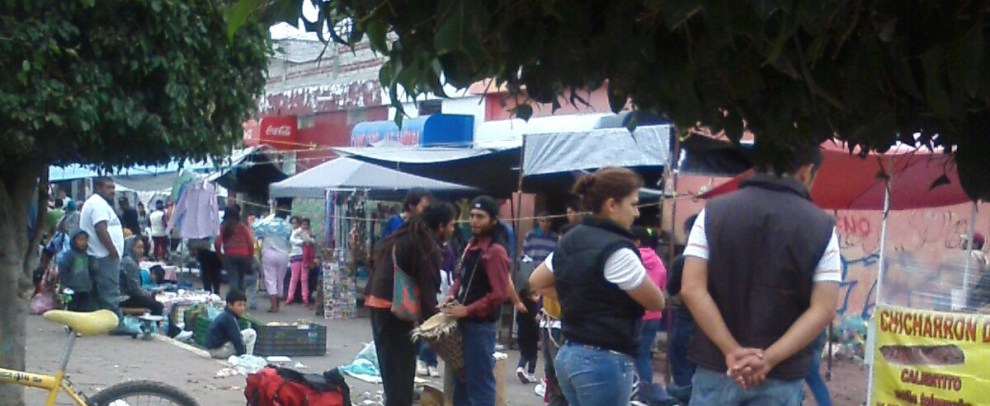
craterThe other week we headed to the town on the other side of the Lake Yuriria, Valle de Santiago. The town itself doesn’t have any of the magic that Yuriria or Cuitzeo have, but what it does have is a kick-ass tianguis (flea market) on Sunday. We were able to buy two pairs of Levi’s jeans for my son, a pair of Dockers Corduroy Pants and Caterpillar Work Boots for my husband and a Spider Plant
for me, all at totally reasonable prices. AND since we had to go through Yuriria to get to Valle de Santiago, we stopped for a fabulous lunch in el mercado (market). Since the weather had turned chilly, I had an excuse to purchase my first ever rebozo. Wearing a rebozo is like wearing a blanket–and totally acceptable in public. My husband and son called me granny the rest of the day, but I was a warm granny!

So a little history here…

estafiate

Valle de Santiago and the surrounding area was first settled about 2,000 years ago by the Purepechas and most likely conquered or otherwise absorbed by the Tarascos. Back then it was called Kamenbarhu (or Camembaro) which translates as roughly “lugar del estafiate” which then translates as “place of the estafiate plant.” Estafiate is also known as Western Mugwort, Western Wormwood, Louisiana Sagewort, Prairie Sagewort, Mountain Sage, Simonillo, and Itzauhyatl in Nahuatl and is used for digestive issues, as an analgesic, a decongestant, a sedative, a diuretic, an expectorant and an antioxidant, among other uses.

Kamenbarhu (or Camembaro) was renamed Valle de Santiago (Saint James’ Valley) and officially “founded” in 1607 by a bunch of Spaniards. In 1997, the state of Guanajuato declared the area a natural preserve.
tianguis

Valle de Santiago

While the town of Valle de Santiago isn’t much to brag about–the drive there and back is spectacular. We already knew that Lake Yuriria is formed from an extinct volcano crater, so it was not much of a stretch of the imagination to see that the surrounding landscape also had a volcanic look to it. When we got home, I did some internet research–because asking the locals never gets us anywhere–and lo and behold, the area all around Valle de Santiago is known as the Siete Luminarias (7 lights) which refer to 7 distinct craters, although there are more than 30 craters formed by now extinct volcanoes in the immediate area.

Astroarchaeology (the study of how people have understood the phenomena in the sky and the role that understanding played in their culture) suggests that the Siete Luminarias align with the constellation La Osa Mayor (the Big Dipper) every 1040 or 40,000 years (there seemed to be a bit of a discrepancy on when that event actually happens) hence the name Siete Luminarias. It does appear to make the rough outline of the Big Dipper if you look at the map below.

forming the big dipper

The 7 craters are named as follows:

La Alberca, formerly known as Tallacua

Hoya del Rincon de Parangueo, formerly known as Liricua

Hoya de Flores, formerly known as Membereca

Hoya de Cintora, formerly known as Andaracua

Hoya de San Nicolas

Hoya de Alvarez

Several of these craters have been the site of strange phenomenon. The lake in the Hoya de San Nicolas turns red, much like Lake Yuririra does, and probably for the same reason.

chan bw

La Alberca is reportedly home to Chac (or Chan), the Loch Ness monster’s cousin. This creature is said to live in the underground tunnels that connect the craters. It supposedly resembles a sauropod dinosaur.The only picture of the creature was taken in 1956 from a plane, and it seems far from conclusive to me. But maybe you want to believe????
giant cabbage

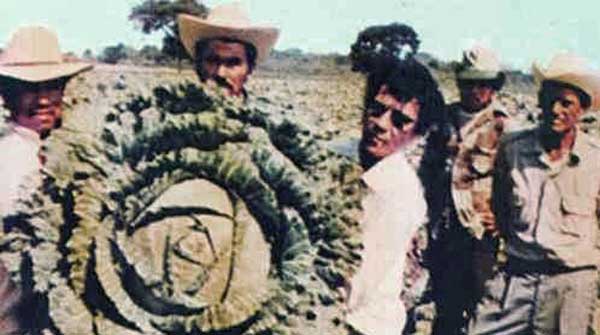
There have even been various reports of extraterrestrial contact and UFO sitings in the area of the Hoya de Flores. A local resident riding his donkey saw strange lights in 1987. Crop circles were later discovered in the area (although I haven’t been able to find any pictures of them online.) Some UFO-ologists reported contact with a glowing silvery-blue man there. The most famous contact was with a local farmer, Jose Carmen Garcia Martinez, who grew enormous vegetables in La Hoya de Flores in the 1970s. He claimed that his astronomical success in creating his astronomical sized vegetables was based on agricultural methods he received from astral messages.

Well, I wouldn’t have expected aliens and monsters from our pleasant day in Valle…but then I have learned that Mexico is often not what it appears to be.
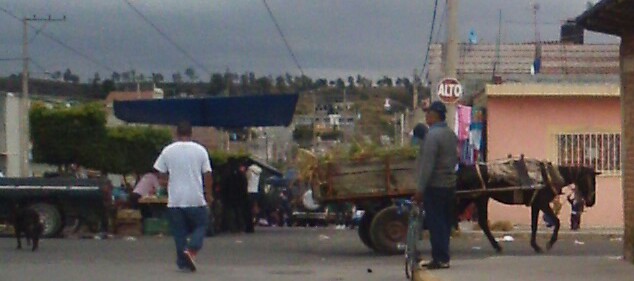
wpid-cam03936-1.jpg

******************************************

disclosure

4 Comments

Filed under Mexican Cultural Stories, Tourist Sites in Mexico

Playing Tourist–Yuriria, Guanajuato

church door

Mighty impressive church door in Yuriria, GTO

While we often travel for a day trip to Cerano, once in awhile we also head to Yuriria, the bigger town that Cerano is a municipality of.

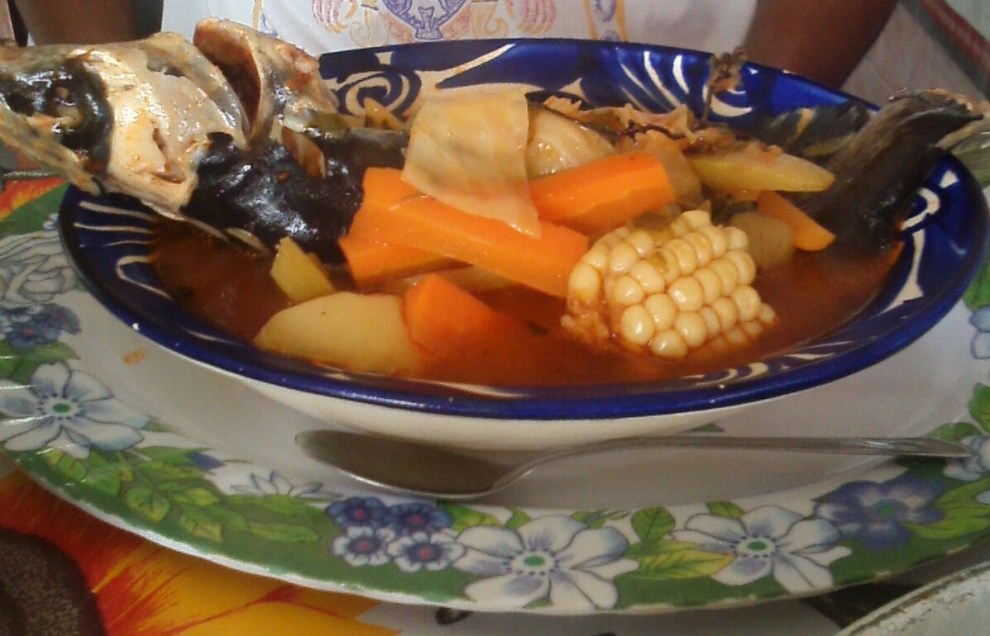
fish soup

Caldo de bagre

Yuriria is pretty, and there is a restaurant with a one-armed waiter that serves delicious fresh-water fish soup. The market is also full of neat stuff to see, and the whole town has a different feel to it than Moroleon, so we enjoy it as a close-by getaway place.

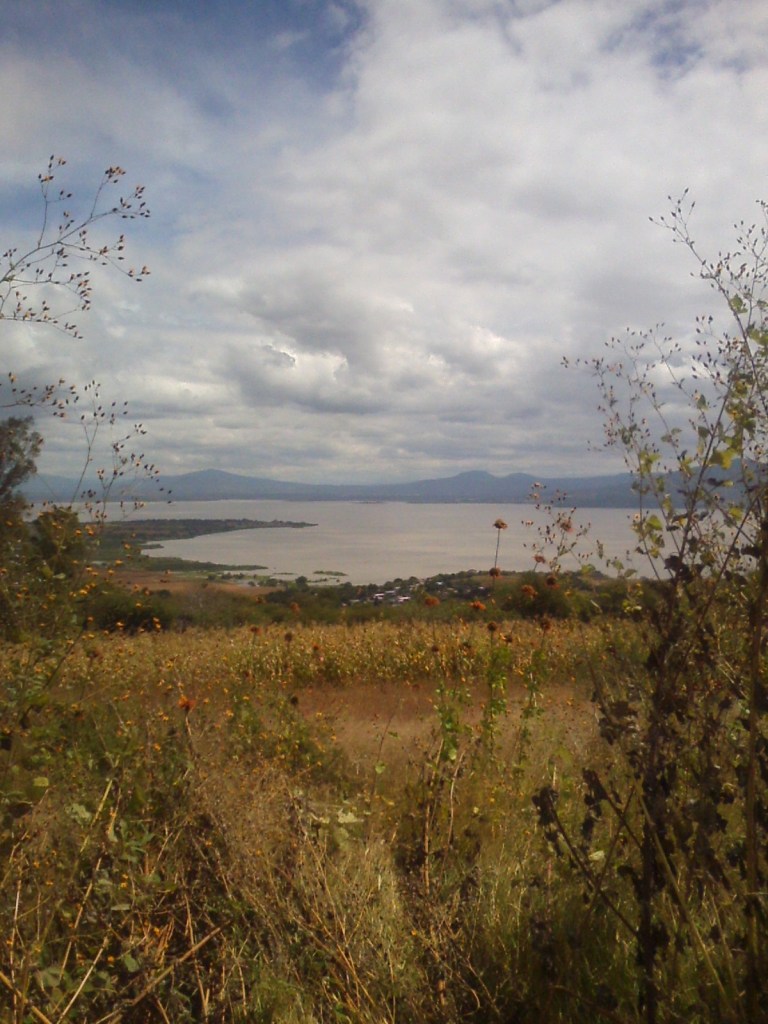
lake in yuriria

View of the lake by Yuriria

The actual name is Yuririhapundaro although most people refer to it as simply Yuriria. It was founded the Chichimecas in 945 D.C.As with Cuitzeo, the name comes from the Purepecha language. It translates as The Place of the Bloody Lake. With such a name, it’s no surprise that Yuriria was built along the banks of a lake. It’s actually an extinct volcanic crater that is renewed through rainfall rather than an underground source.

Yuriria is also one of Guanajuato’s Pueblos Magicos, and on that official site, the bloody lake gets its name from the soil runoff, not from dead bodies. Well, as the idea of Pueblos Magicos is to get tourists to come, I suppose having tainted waters might put people off, so the run-off explanation is given out. However, Diego Basalenque made note, in 1644, that the oral tradition of the native people spoke of sacrifices that had been made in the center of the lake to the gods, leaving the red stain of their deaths behind in the waters.

A scientific explanation might resolve the issue of whether the sacrifices or the volcanic soil give the lake its reddish color. It may be that the coloration comes from the rapid reproduction of microscopic plants, like the chromatiaceae bacteria, that bloom under certain conditions. The plants subsequently poison the water for the fish. A whole lake of dead fish would cause the local population to perform sacrifices to appease the gods, beseeching them to allow the water to return to its normal color.

As the lake is not always bloody, the scientific explanation seems to make sense. Certainly, when we have visited, it’s been as blue as Lake Cuitzeo. Locals say that the two last bloody events occurred in 1985, before the devastating earthquake in Mexico City and in 1986, before the earthquake in San Francisco, California. Well, as I mentioned, the extinct volcanic crater is smack dab in the middle of the lake–things like shifting fault lines might cause such an occurrence.

yuriria ex convent

The impressive ex-convent of San Agustin in Yuriria

After the lake,  the most imposing structure in Yuriria is the Ex-convent of San Agustin. Construction was begun in 1550 by Fray Diego de Chavez y Alvarado, nephew of Don Pedro Alvarado, one of Hernan Cortes’ followers. Fray Diego is also given credit for the creation of the lake because he commissioned the construction of a canal that diverted the river waters to the crater in 1548. I’m not so sure he actually created the lake since the name of the area implies the village had been established by a bloody body of water long before the Spanish came (records indicate that the Tarascos, who conquered the area in 1350 D.C. made a note of the red tinted water phenomenon)…but you know how those Europeans like to take credit for everything.

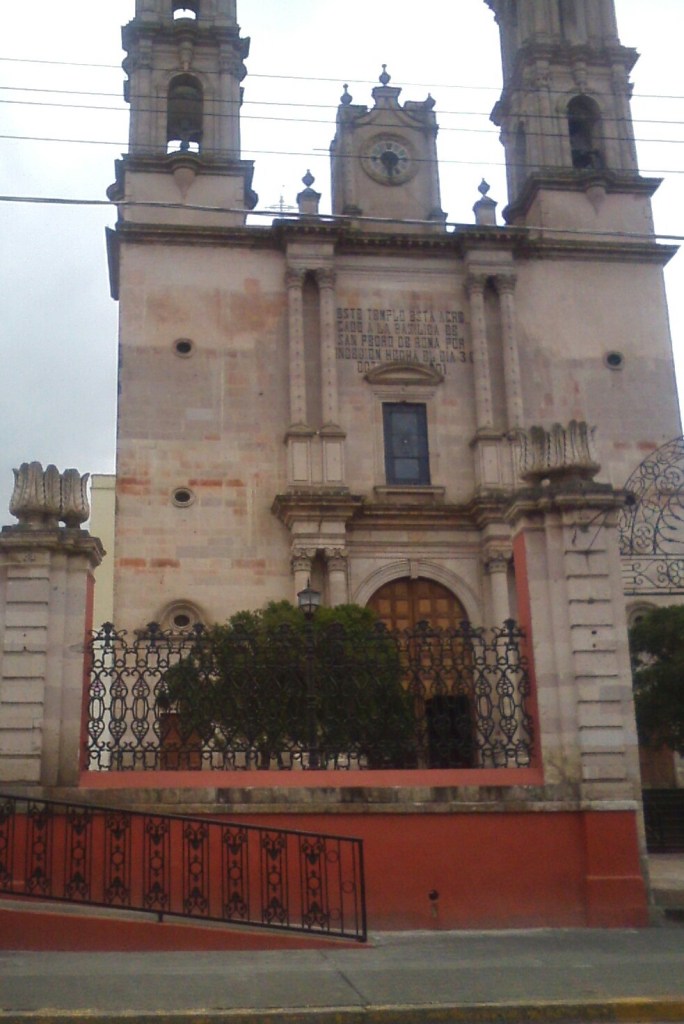
yuriria church

The inscription on this church reads “Este templo está agregado a la Basílica de Roma por concesión hecha el día 3 de octubre de 1901.”

All things considered, Yuriria is a pleasant stop on the road to little-known tourist attractions in Mexico.

********************************

disclosure

6 Comments

Filed under Mexican Cultural Stories, Tourist Sites in Mexico

Playing Tourist–Cuitzeo, Michoacan

We’ve been to Morelia on several occasions. We’ve gone to the National Migration Institute, only to be told we had to go to San Miguel de Allende for my legalization process. It’s another state you see, although only 45 minutes away. We’ve also gone to Morelia to have my son’s birth certificate and my marriage certificate translated by an official perito traductor, who unfortunately died before we had all our documentation officialized. We did find another perito traductor in San Miguel de Allende later on though, and now we have one right here in Moroleon for all our legal issues.

So Morelia isn’t a new destination for us, but we normally have some official business to take care of and as a result, don’t take the time to play tourist. The other week we had the day off and decided to go just because. Although Morelia yet another city on the UNESCO World Heritage Site, my intentions were not so lofty.  I had the vague notion of finding a Wal-mart or maybe even a sporting goods store to buy some arrows for my son’s bow. It was so much effort just to get it that it was terribly disappointing that it came with only 2 arrows, one which hit a stone and cracked and the other which flew into the great beyond on the very first day.

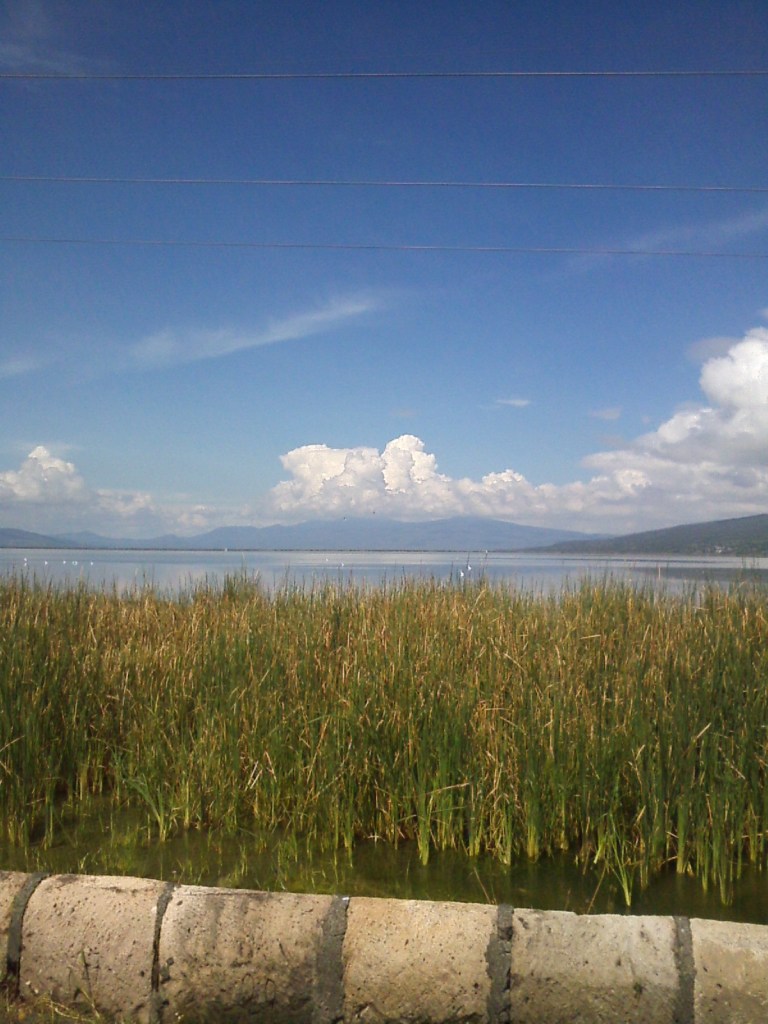
lake cuitzeo

That little cement barrier is all that separates you from the lake!

We always take the libre (free) road rather than the cuota (toll) road not just because it saves us a few pesos. It’s a pleasant drive, although I imagine it could be a bit hair-raising during inclement weather. But the sun was shining today.  One time, I was gazing out the window while driving through the lake and BAM–all of sudden a water snake took down a duck.  Just one more occasion that I find myself live on the discovery channel!

cuitzeo

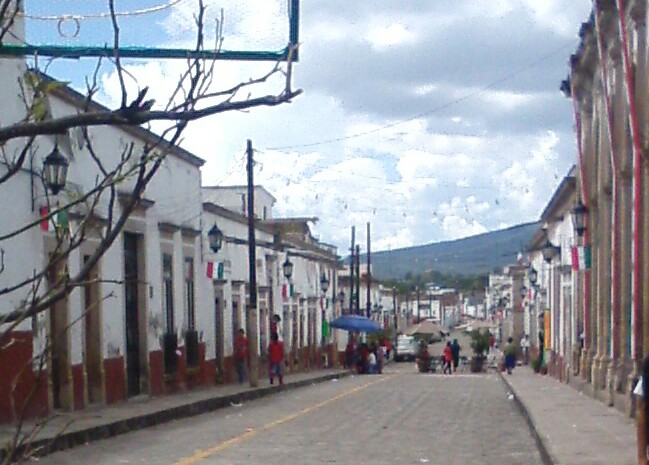
Cuitzeo, Michoacan

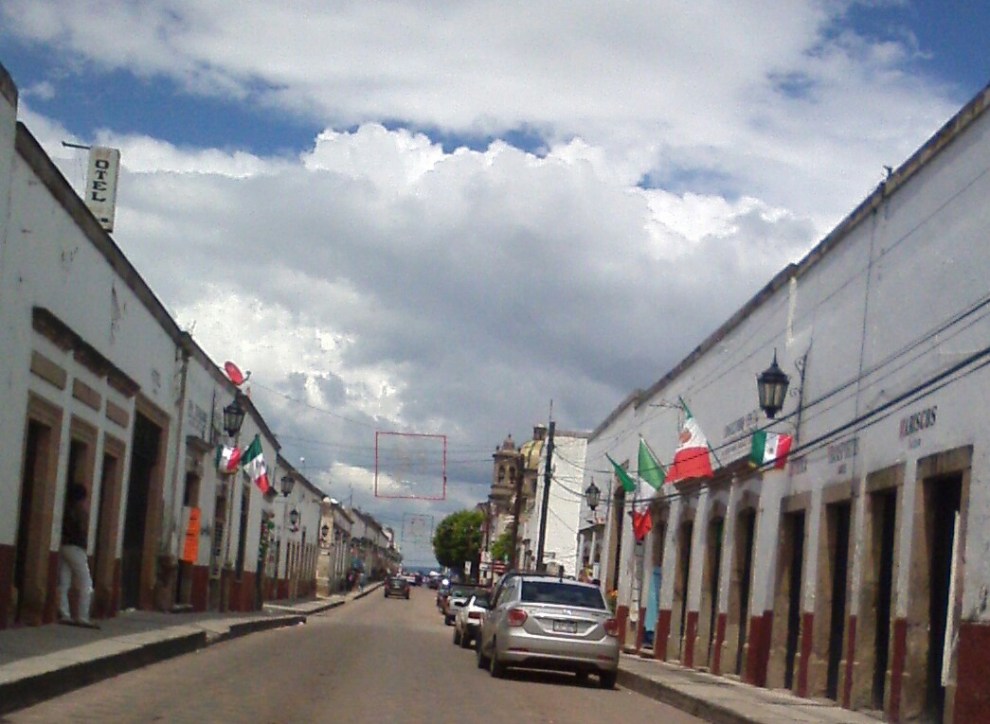
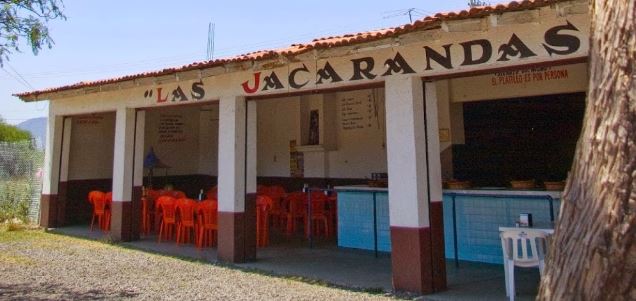
We drove through the picturesque town of Cuitzeo, also known as Cuitzeo Porvenir, where all the business and houses are painted red and white. Just outside the town, we stopped at a roadside restaurant Las Jacarandas for a morning buffet breakfast. We enjoyed our meals (I had a yummy fish something or other) and relaxed a bit while Marc Antonio Solis’s greatest hits played on the giant flatscreen TV.

jacarandas

Las Jacarandas roadside restaurant

Then off again. We arrived in Morelia only to discover that our usual route was closed because of the parade. We were about 5 minutes from Wal-mart when we were deviated. We spent the next 2 hours driving around Morelia. I kept insisting we weren’t lost, but I could not convince my husband. He started pulling on his goatee and transformed into Donald Duck. Never say that men don’t ask for directions. He pulled off the road every 10 minutes or so to confirm that we were on the right track.

We were never lost, just not on the road that we had intended to arrive at. We did finally pass a Wal-mart, but my husband had his face pressed up against the windshield at this point, and I decided that it would be better for all concerned if we just went home. I wonder how we became so inept at city driving! I have driven through New York City and Washington DC during rush hour. How is it a little detour threw us for a loop? I think it might have to do with our overall confidence. So many things can and do happen while on the road in Mexico that the unexpected really takes it out of us. It was a disappointing trip, to say the least. The next day off isn’t for awhile yet–maybe we’ll be able to work up the guts to try a new adventure.

cuitzeo

Cuitzeo, Michoacan

I did convince my husband to stop in Cuitzeo on the trip back, though. There were several ladies selling hand-woven baskets in the town center, and I wanted to get a better look.  Fiber crafts are the most common local handicraft.  Baskets, floor mats, and hats were displayed for my admiring gaze, all made from reeds from Lake Cuitzeo.

daisies

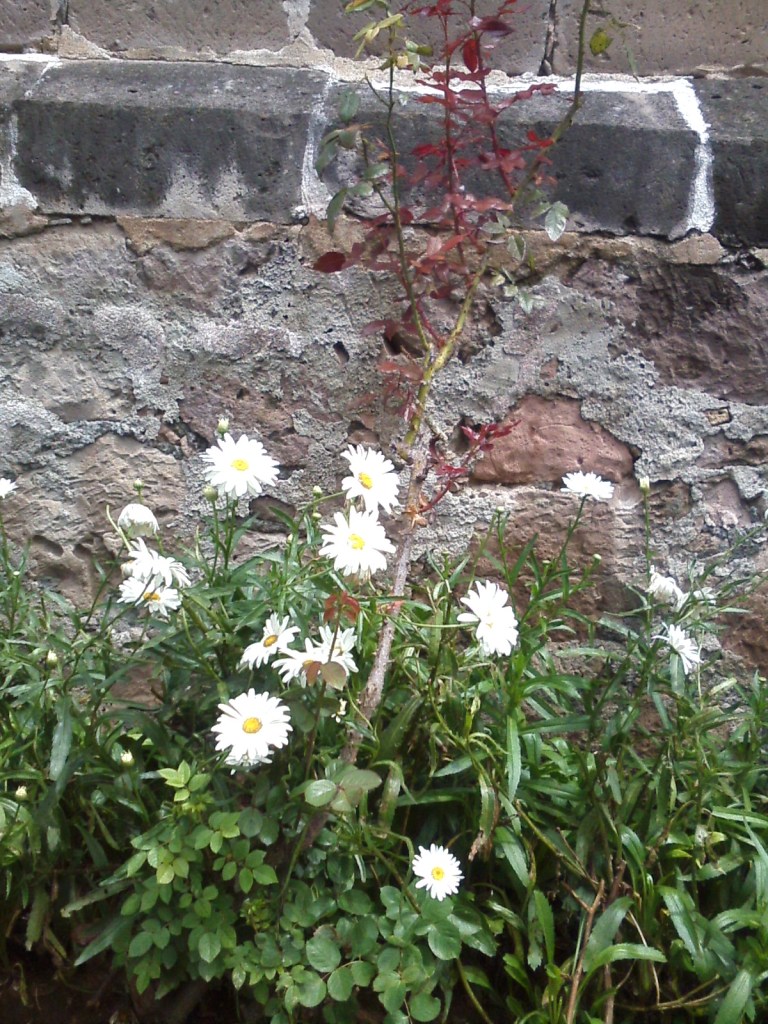
Daisies outside the church en el centro of Cuitzeo.

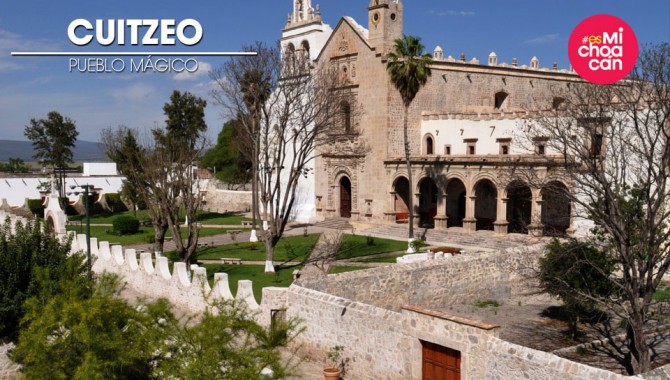
We bought some churros and fruit covered in powdered chile and walked around a bit before heading out again.  So honestly, our tourist day was spent in Cuitzeo rather than Morelia.  The name of the town comes from the Purepecha word “cuiseo” which means place of water containers. As the town is right next to Lake Cuitzeo, the second largest freshwater lake in Mexico, freshwater fish dishes are local specialties.  Cuitzeo has even been named as one of Mexico’s Pueblos Magicos which is a program designed by the Secretary of Tourism to promote tourism in non-traditional touristy areas.

Santa María Magdalena monastery

Santa María Magdalena monastery was built in 1550.

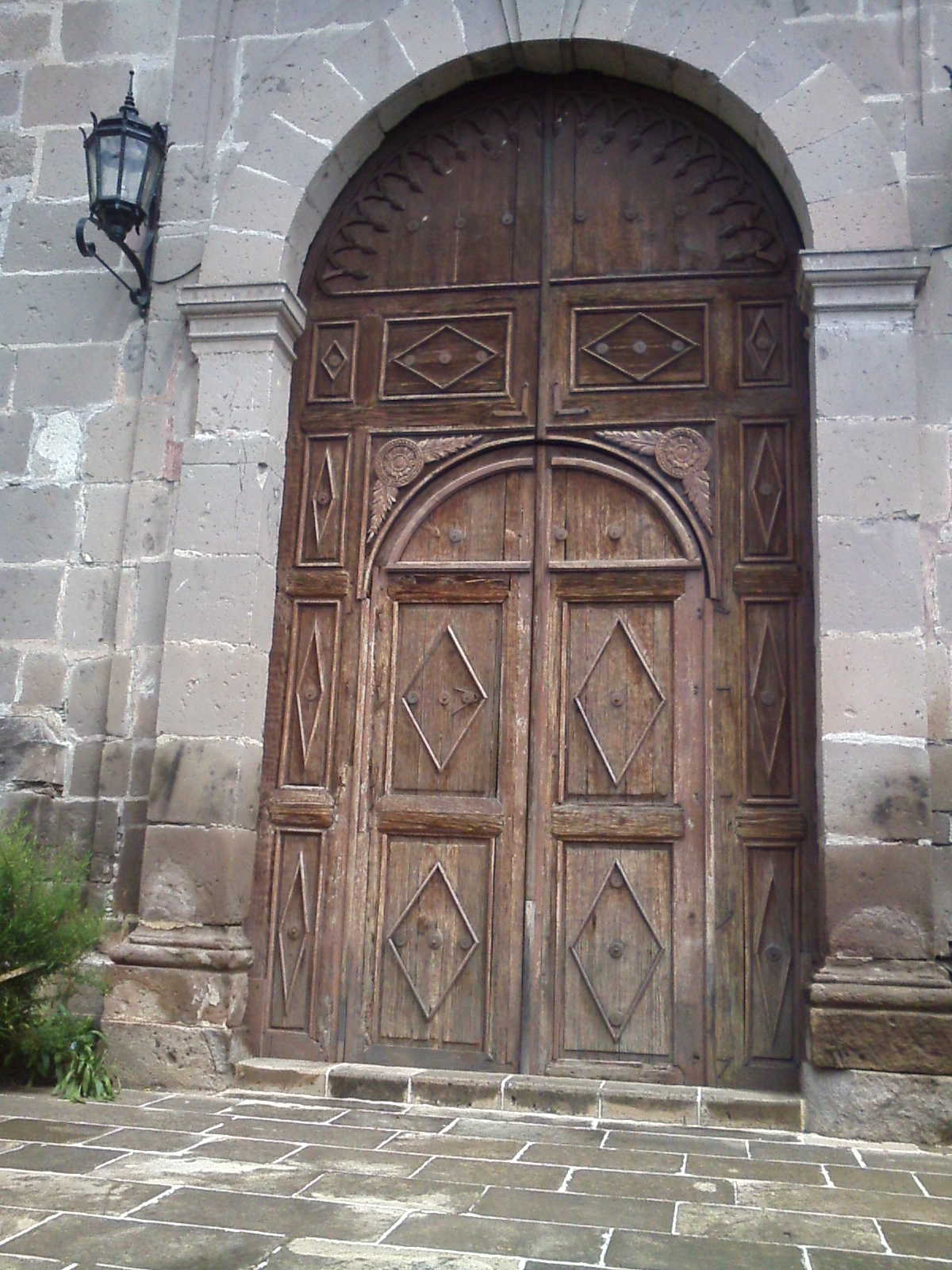
The Santa Magdalena monastery is the historical highlight of the town.  We didn’t make an effort to tour it, as you’ve seen one monastery, you’ve seen them all.  However, I was impressed with the church door in the town center.

church door

It’s now on my list of things to do to visit more of Mexico’s Pueblos Magicos.  I think it will be better for my husband’s nerves too!

********************************************


disclosure

5 Comments

Filed under Mexican Cultural Stories, Tourist Sites in Mexico