

For the past 2 months, the transito del estado (State transit police) have been sitting at the crossroads to La Yacata and stopping all vehicles. There is a second way into La Yacata, however, it adds about 30 minutes of travel time over very, very rough terrain. The transito (transit police) have been stopping my husband and son every single evening and sometimes in the morning. His moto has placas (license plate) however his tarjeta de circular (permision to circulate) and his license had expired. (See Getting Legal—License to drive) You would think the State police would have something better to do than bother moto drivers about their licenses, but it pays well. Mordidas (bribes) run from $50 to about $200, depending what they think they can get from you. And since we have to cross the intersection to get to Moroleon every single day, it gets to be a bit pricey. (See Driving Hazards–Traffic Stops)
Then they moved on to me. I thought perhaps I was immune because I was a female, but no, I was not. I showed them my tarjeta de cirular (circulation permit) and they checked it against my license plate number. It matched, of course. Then the police asked me for my license. I told them I didn’t have one, that I just received my residency (See Getting Legal–Residency at last) so had been unable to get my license before. Ok, no problem and they let me go. But then they stopped me again.. I bluffed my way through a second time and promised I would see about getting a license.
So, since the fishing is still apparently good at the crossroads and the transitos (traffic cops) look like they will be there for awhile yet, we decided it prudent for me to get a license and my husband to renew his.
My husband went to asked what sort of documentation I would need to present and the costs. He was told I needed to present my passport, my residency card, my CURP (like a Mexican social security number), comprobante de domicilio (proof of residence like water or electric bill) and a blood analysis and that it would be about $700 pesos for 5 years (which was so not true for motos anyway).

I gathered what I had and we went early in the morning to a laboratory for the blood analysis. It cost $50 pesos and tells what blood type your are. It took about 15 minutes for the results. The actually bloodletting, however, was a bit uncomfortable. The technician stabbed my finger and squeezed and scraped blood into the vial. It wasn’t enough, so he spent another 5 minutes, squeezing and scraping until he had enough. I’ve had blood draws, vials and vials of blood draws, and they were not as disagreeable as this minuscule amount. Ni modo (there’s no help for it). I survived it.
So then we made copies of my passport, my residency card, my CURP and the blood analysis. We borrowed the electric bill from my sister-in-law’s tortilla local. Then we headed back to El Transito del Estado office. Turns out I didn’t need the CURP after all, or at least a copy of it since it was already on my residency card.
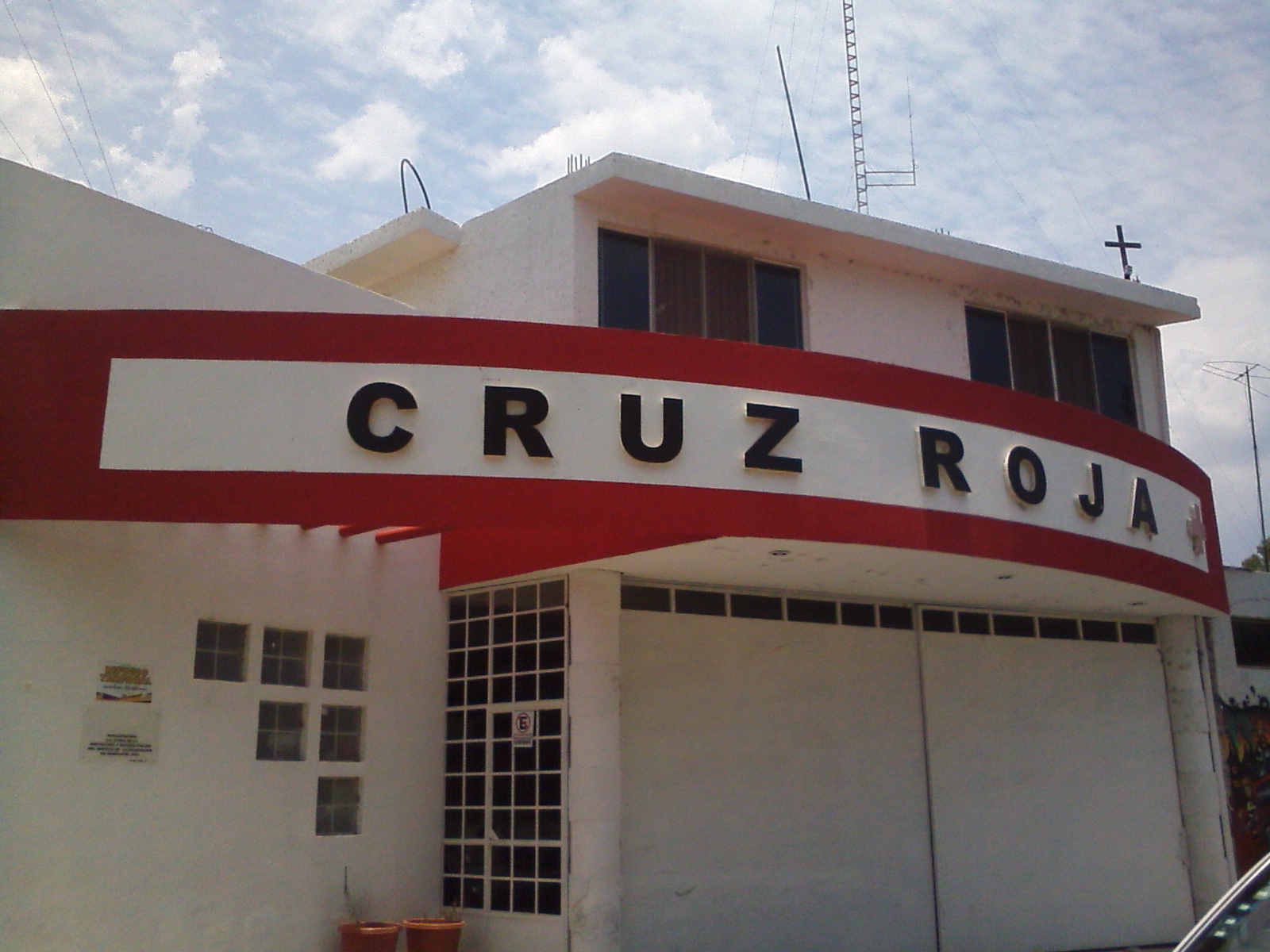
At the office, the clerk told us I needed a certifica medica (medical certificate) less than 30 days old. That ruled out the exam I had recently at CAISES (See Seguro Popular—a model of inefficiency—getting started.) We decided not to go all the way to the Regional hospital in Uriangato or CAISES, although we could probably get it done for free with Seguro Popular because it would take ALL FREAKING DAY. The clerk said we could go to La Cruz Roja and have it done, so we did. It cost $100 pesos. It was a certificate that had the attending doctor’s name, his professional registration number, my name, my age, my weight, my height, then the words CLINICAMENTE SANO (healthy) and the date and time of the appointment. It listed my blood type (I’m A+), family history of illnesses, my health status (hypothyroidism) (See Seguro Popular—blood work) the results of my vision test (I wore my glasses and passed 20/20) my blood pressure, my pulse and Si next to utiliza anteojos (wears glasses) and Donacion de Organos (Organ donation). Then the attending physician signed under what I believe is the Red Cross Motto “Seamos Todos Hermanos” (We are all brothers) and stamped it. This process took about 20 minutes.

We went back to the Transito office. The clerk looked at my documentation and asked whose name was on the electric bill as it wasn’t mine. The owner of the local where my sister-in-law rents is listed on the electric bill. We have no electricity or water or sewer or street names in La Yacata and we explained that to the clerk. He himmed and hawed a bit. He wanted a copy of our rental contract, which of course we didn’t have since we aren’t the ones renting there. We were pretty sure he was looking for a mordida (bribe) but we weren’t looking to pay one, so he let it go.
The next step was to take the computerized test. The clerk asked if I could read and I said for the most part although there were words I still didn’t know. I thought it better to be modest in case I totally bombed the test. He asked if I knew how to use a mouse, which I did. The first 10 questions were about the rules of moto driving and the second 10 were sign identification.
There was no time limit, so I read slowly and carefully. Sure enough, there were some words I didn’t know. The test was multiple choice, so for the most part, I felt pretty comfortable about my responses. There was one sign I had never seen before so completely guessed on. And voila, I hit enter and my results were instantaneous. I had 4 incorrect responses and my grade was 8.67 or B+ so I passed. Yeah me!
My husband was getting a bit impatient at this point. He was just getting his license renewed, so everything could be done right there at the office. He had already taken his eye exam, signed his paperwork, and had his picture taken while I took the test. But I wasn’t done yet.
Then there was the road test. I thought I would need to take a representative from the transit department for a spin around the block or something and I was a little worried. I am confident driving my moto, however when there are passengers, there is more weight to balance and it is a little bit tricky. (See Driving Hazards–Motos) But the big bad transit officer didn’t take a helmet out to where my moto was parked and then I was just confused.
He told me to jump on my moto like I would in the morning when I got it out and start it up. I already had my helmet on, so I did. I put the key in the ignition and revved it up. And stalled it. So I tried again. I wasn’t sure what he was looking for so I pretended to check my mirrors and look at my muffler. I don’t think I impressed him because he asked if that was what I did when I got my moto out in the mornings. I said that my husband takes my husband takes my moto out and does the checking for me. He checks the lights and oil and tires before I hop on. He asked what I would do if my husband were dead, how would I check my moto. I really didn’t like that question. Yes, reality is that one day I may have to do my own checking, or I’d find a reliable mechanic or something. I stared at him a minute or two sort of baffled. He changed the question to what would I do if my husband had already left for work and I needed to use my moto. Ok. Well, I would check that the lights were off, check the brake box wasn’t leaking, check my mirrors, check my muffler wasn’t stuck on anything, listen for strange noises and check the tightness of my hand breaks. He said “y tu casco?” and I replied that I already had my helmet on. I hoped he didn’t notice that the chin strap was currently held together by a safety pin. (He didn’t say anything if he did.) He asked if everyone needed to use a helmet, including passengers, and I said of course. I don’t have a spare but when I go pick up my son from school, he always has his helmet.
I guess that was the key point for him because suddenly we were done. We trooped back into the office. He filled out some forms. It looked like I only had one strike against me but I couldn’t tell what it was because he filled them out so fast. He kept checking his watch. I guess it was break time. I signed the paper and the clerk took them and handed them to the computer clerk lady.

She had me come around the side and started filling out my information on the screen. Name, address, sex, civil status, occupation, (there was a place for my phone number, but she didn’t ask for it) birth date, country of origin, (she also left nationality and age blank). There was a section for complexion, skin color, hair color, frente (not sure what that was, maybe forehead?) eyebrow thickness, eye color, nose shape, mouth size, menton (again not sure what that was) and height, but she tabbed right through that. Apparently I have no senas particulares (peculiar or distinct scars, tattoos or birthmarks). She asked how many years I wanted my license for—5, it was the most economical. A moto license, otherwise known as licencia tipo D, can be obtained for 2, 3 or 5 years. The 2-year license currently costs $246, the 3-year license is $271 and the 5-year license is $378.
She then took my right and left index finger prints on the little machine thing. She had me sign my name on the electronic pad. Then she had me take off my glasses for my photo. I stood in front of a white cardboard with the escudo (symbol) of Guanajuato on it. It took three tries to get an acceptable photo. I am terrible about closing my eyes. I signed some other paper, actually, I signed it 3 times and she gave me the receipt.
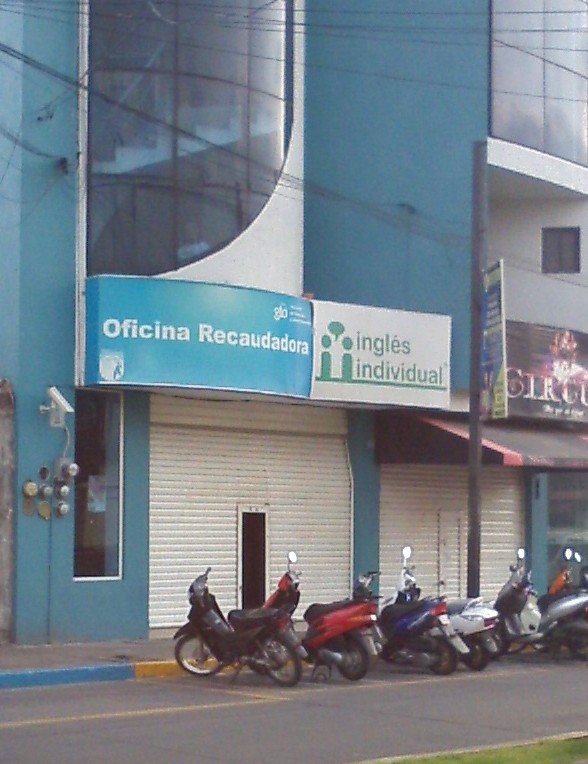
The receipts we had to take to the oficina de recaudadora to pay the $378 for each license. I expect paying at a separate office is an attempt to keep mordidas (bribes) from happening. That office kept one of the 3 receipts and sent us back to the Transito office to pick up our licenses. We showed the receipt and they took the second copy, leaving the pink copy for us, and gave us our licenses.
I don’t look too bad, my signature is minuscule, but it does have my CURP listed on it, so I expect I wouldn’t have been able to get my license if I hadn’t already registered for my CURP. This process only took half a day. Compared to some of our paperwork sagas, this was a breeze!
I can safely bet that I will never be stopped again now that I have my license.
*********************




 Surviving Mexico