Around the same time the electrification project was underway, we received indirect notification that the presidencia (town hall) had approved a project to pave a single road in La Yacata. The mayor’s brother had thrown this out to us in our initial meeting. We hadn’t responded enthusiastically because there was a lot of work to do, and we thought the sewer line should be put in before the paving. However, one of our colonos was the compadre of the family in power, and he was pushing for the paving project.
He was instructed to get copies of the IFE for 6 individuals who lived in La Yacata to formally petition for the project. He turned in 15. He was then asked for comprobantes de domicilio (proof of residence in the form of water or electric bills). That was a problem because we had neither of those services. After some discussion, the presidencia agreed to accept receipts for orders of pipas (water truck deliveries), which were transactions done at the presidencia. The compadre scrambled around until he had 6 receipts.
Then, a mesa directiva was needed. We already had a mesa directiva for La Yacata, with me being the treasurer, but hey, whatever they wanted. The compadre came to me and asked if I’d be on the mesa directiva for the road project. However, I didn’t have an IFE, just a permanent residency card, which wouldn’t do. So, I volunteered my son, who did have an IFE. I picked him up from work and zoomed to the Presidencia for the official signing.
The compadre was given the role of president, my son, and secretary; no treasurer was needed, apparently. Then there were two vocales (understudies of sorts) for the president and secretary. Everybody signed papers that nobody read. The project spec sheet was presented. I had one of the vocales take a picture of it and send it to me, although the person in charge said that the information on that sheet should not be shared with anyone. This seemed highly irregular to me, but what did I know?
According to the specs, the presidencia would replace the existing outdated sewer line, pave the street four blocks (to the end of La Yacata), and add sidewalks to areas that did not already have them. The presidencia representative clarified that these items would be done as long as there was money in the budget for the project. The budget was set at $400,000 pesos, which seemed ample enough to complete most of the project outlined.
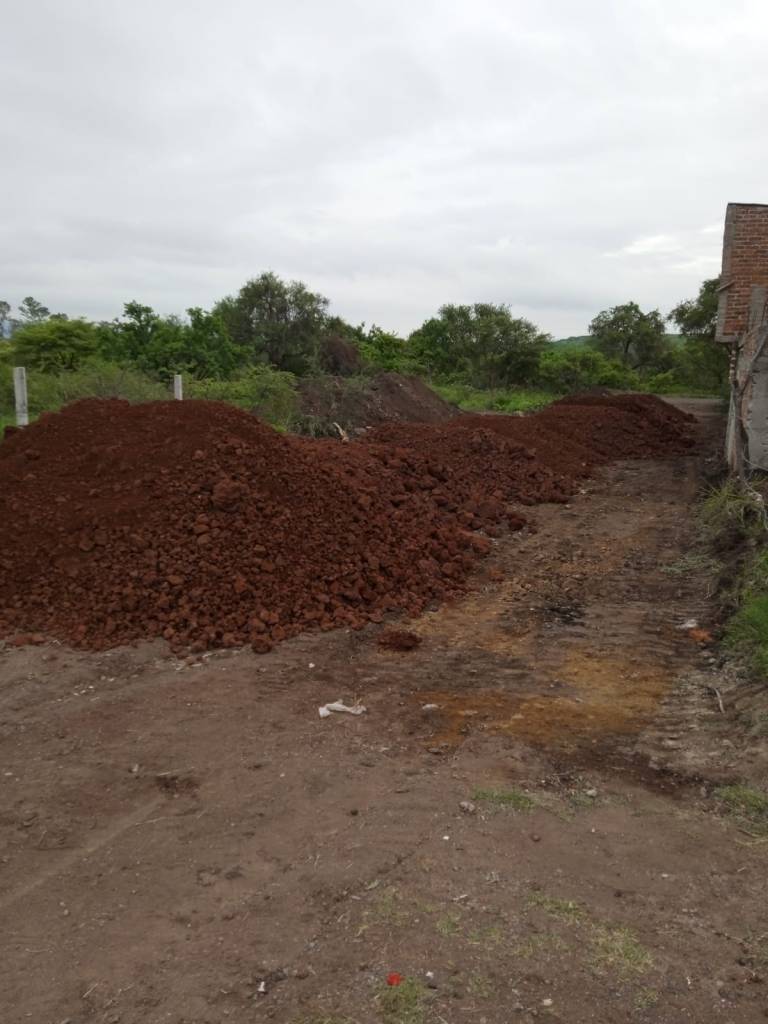
Eventually, the project got underway with some general clearing of the first block. One side of the road had a sidewalk installed, the side of the road where the compadre had his house. Many days of road scraping followed, which seemed pointless to me since each day, the road looked pretty much the same as the day before. Then, there were days of the understone tezontle (red volcanic rock) spreading. Unfortunately, these days coincided with the torrential downpours of the rainy season, and every time they spread the rock, it washed back downhill.
There were no signs of the sewer lines that were supposed to be installed, so Super Prez and I went to Desorrollo Urbano to ask. We met with the guy in charge, who thought I was there to complain that my road wasn’t getting paved. I wasn’t. We asked if he could come to the next junta that Sunday and maybe give the colonos some additional details about the project. He assured us that he’d be there but never showed up.
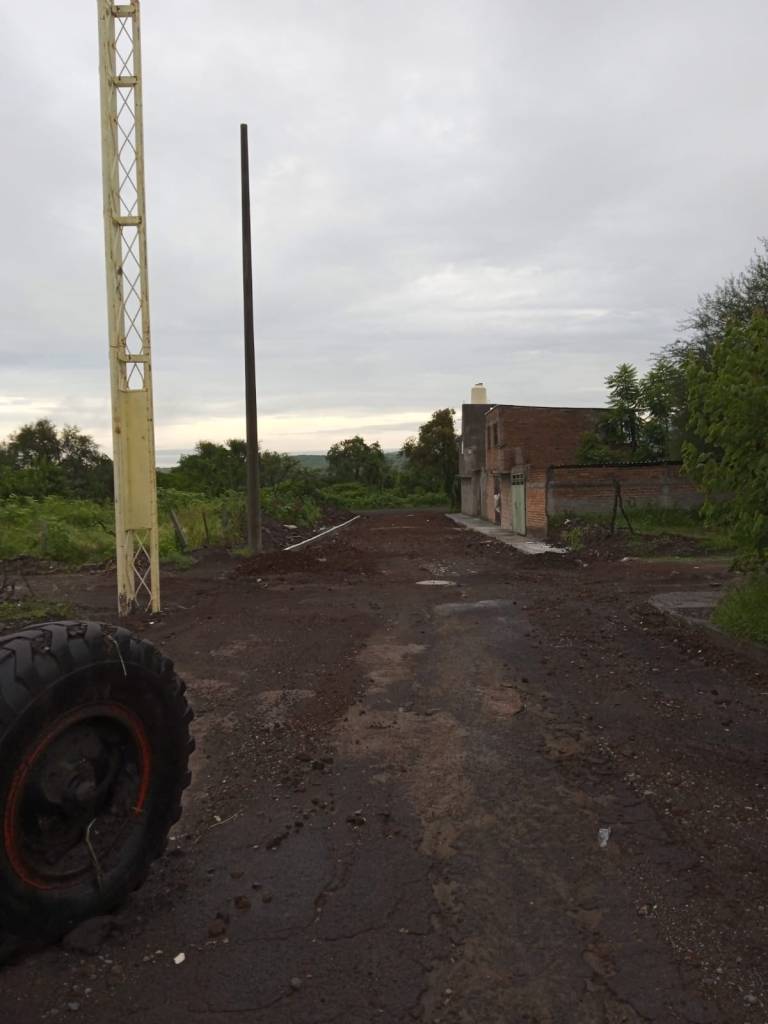
Days passed, and no work was done. The maquina for the road construction sat idle in La Yacata. Apparently, it was a temptation not to be denied, and the battery was stolen. My husband said he saw the person who stole the battery, and he and the police went to hunt him down. It happened to be an ex-boyfriend of his sister, the one that we drove her to visit in jail, so my husband knew where to take the police. The thief was arrested, and the battery returned.
Then suddenly, the following month, right before the elections, there was a flurry of activity. The asphalt was laid directly on the existing chapapote, the road pavement from 30 years ago. No sewer lines were placed, and no sewer lines were removed. The road crew worked until 2 a.m., using the lights of their vehicles as illumination.
The next morning, Cocoa and I meandered over to see the results. The first block had been paved, and about ¾ of the second block. They hadn’t even made it to the corner. And I had to say, it was a piss-poor job. Not even a week passed, and they were out again patching the holes that appeared.
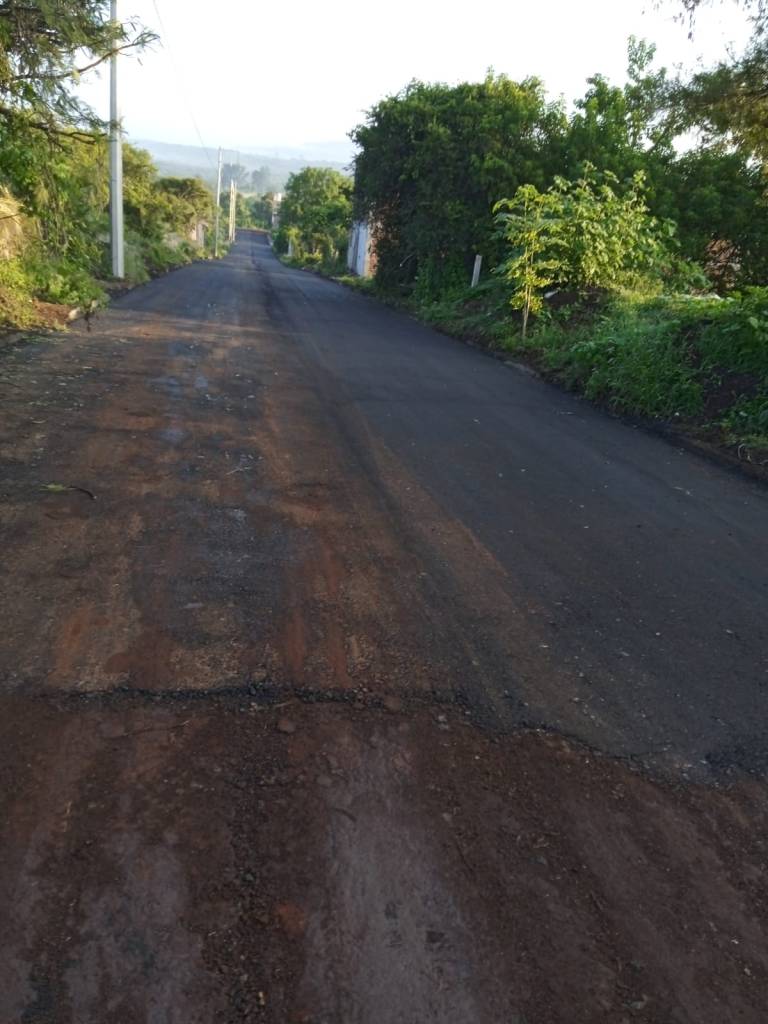
Super Prez, who had his own road crew until the current mayor was elected, also came out and expressed his dissatisfaction with the quality of the road. But there was no point in complaining. What was done was done, and when we are ready to complete the sewer system, the road will need to be dug up anyway.
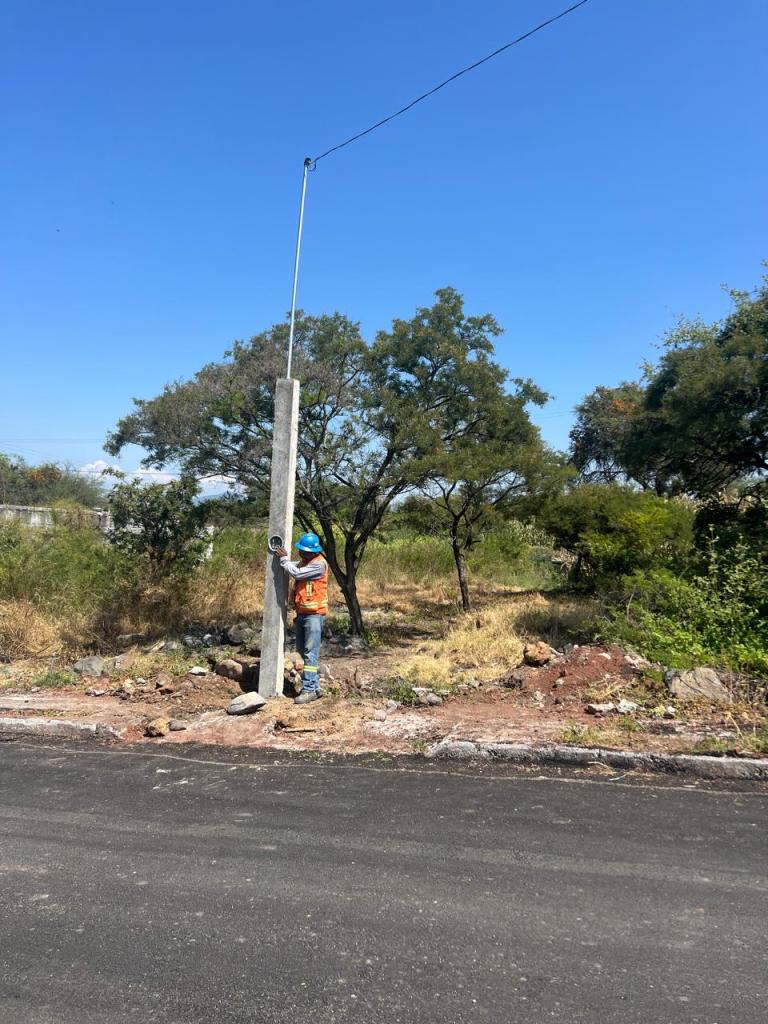
However, because of their gift of the road, the Presidencia felt free to make off with one of our posts for public lighting. They were caught in the act, and I called Super Prez out to discuss this with them. Of course, we couldn’t do anything since they were the law around here, but Super Prez made it clear that we were aware of their actions.
While all this was happening, Super Prez brought his road equipment out to La Yacata and started clearing the roads that hadn’t seen the light of day in nearly 30 years. His workers also cleared off the sidewalk on the first road (before quitting over the hole-digging assignment). Super Prez wanted to get the road to the pozo cleared off so that the materials and workers needed to put up the wall surrounding our most precious commodity could get to the site.
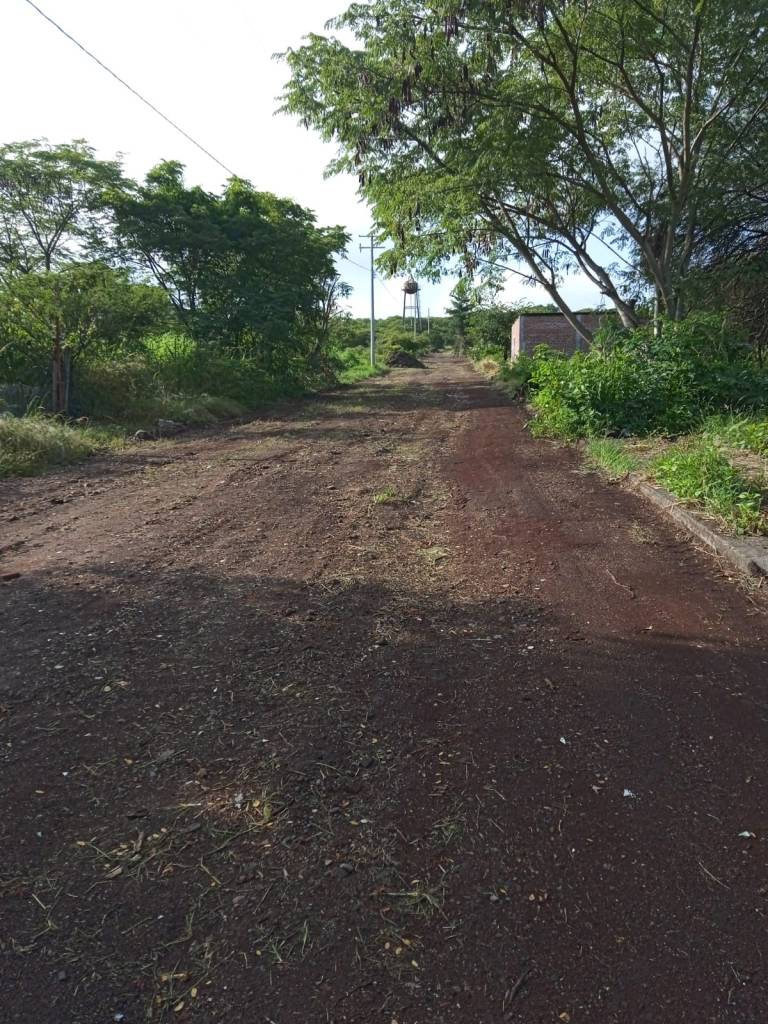
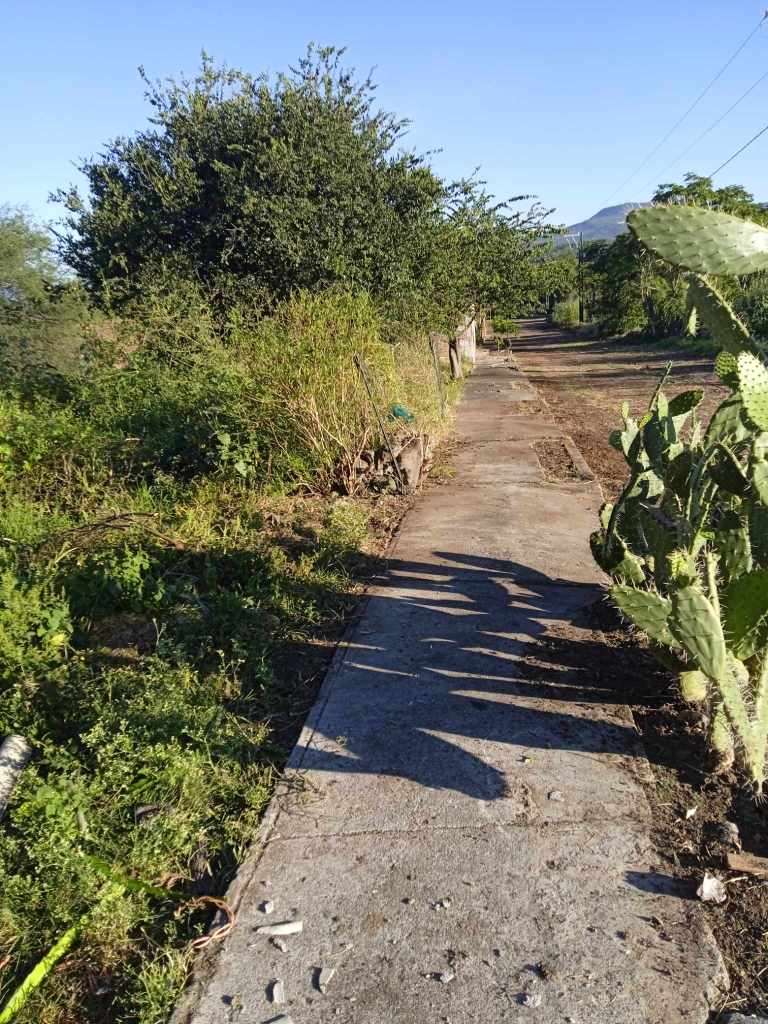
There was quite a bit more to do to make the entire fraccionamiento transitable, but it was a start.
****
Check out where it all began in La Yacata Revolution, available on Amazon!


 Surviving Mexico