With the rainy season fast approaching, it was imperative that the roof was fixed. It wouldn’t do to arrive and find that the beds and computers got wet. My husband agreed to do the work and even called the owner to name his price. So the arrangement was instead of paying rent this month, I would buy the materials and pay my husband.
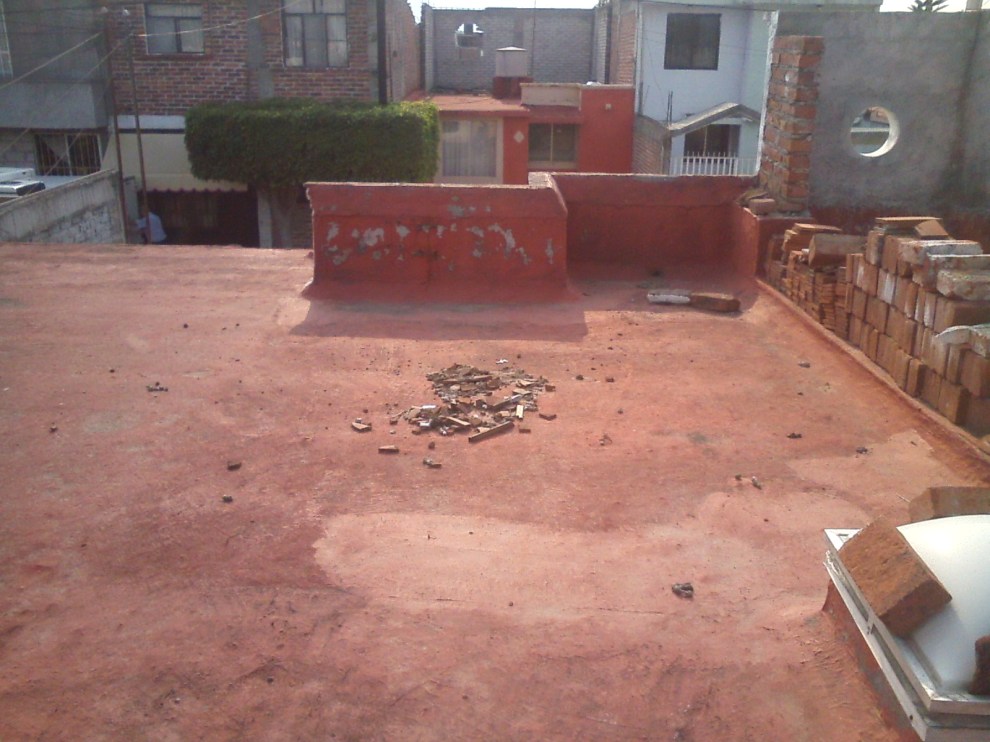
The roof had already received a coat of impermeabilizante (waterproofing), hence the red color, but as there were holes in the cement, a layer of paint wasn’t enough to keep the water out.
First, the roof needed to be swept and the accumulated debris disposed of. The house was not constructed very well. The rainwater pooled at the sides and over the years corroded the roof, leaving it in its current dilapidated condition.
This cement tinaco (water storage container) is at least 20 years old.
Next, the holes in the ceiling were filled in.
Then the chipopote (tar) mixed with gas for easier spreading was applied to the worst spots. It’s possible there will still be one or two minor leaks, but we won’t know until the rainy season arrives in full force.
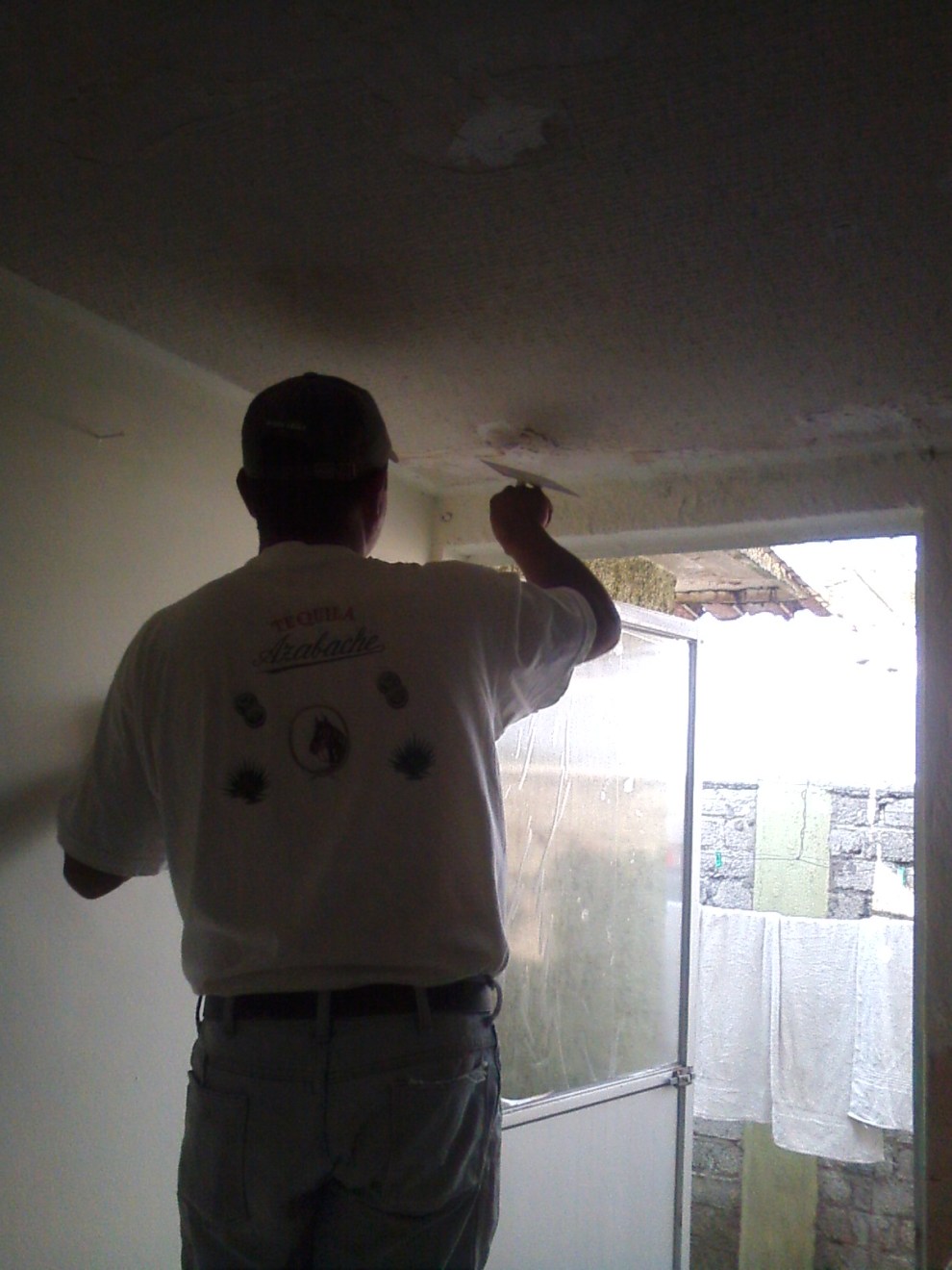
Finally, the ceiling received another coat of plaster. I wasn’t so worried about the cosmetic appearance, but my husband thought it should at least look passable.
It’s been more work than I imagined getting the place into a comfortable state for working and I’m not finished yet. The bathroom still feels icky and even though we don’t use it for showering, it’d be nice to fix it up a bit. It certainly is better than it was! I have to keep in mind that this isn’t my house though. It doesn’t pay for me to invest in unessential repairs.
I have to admit that the little house in Sunflower Valley to being a bit lacking in several aspects. First, the floor is white tile. Who in their right mind would use white tile? It is NEVER clean.
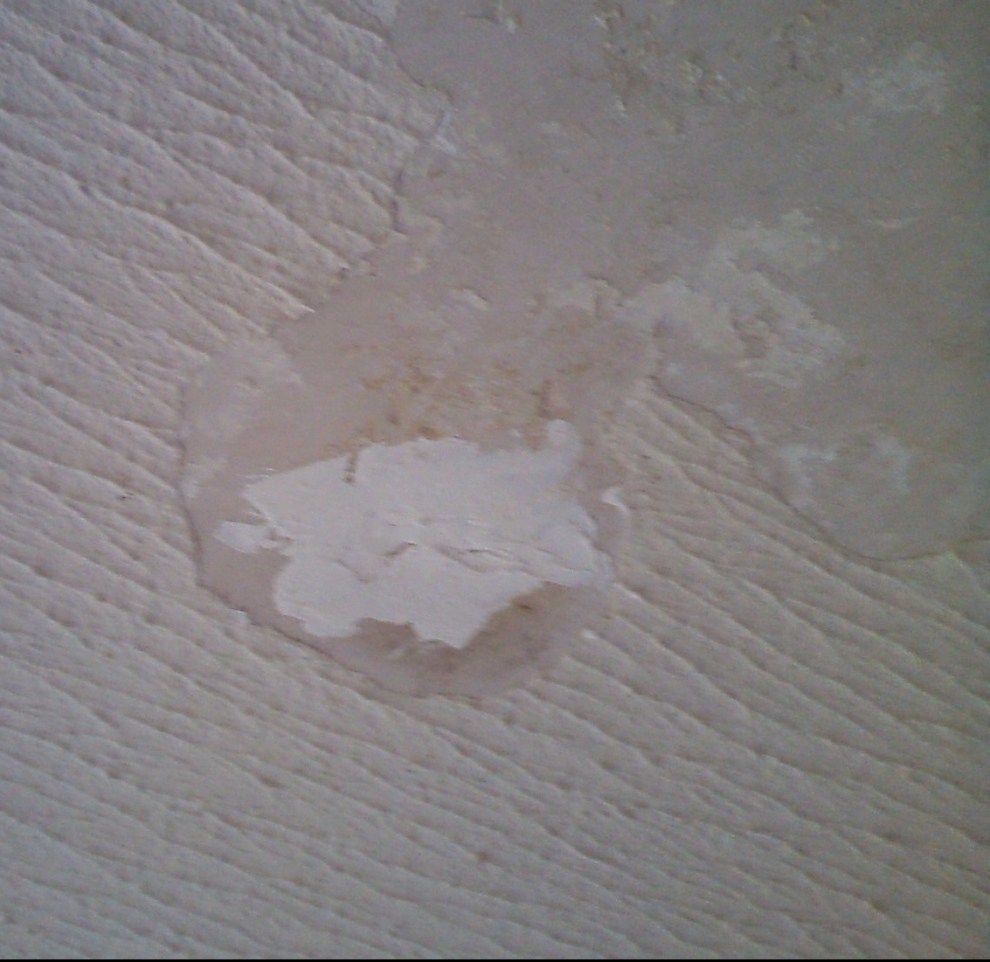
Then there are the holes in the roof. It leaks in 3 of the 4 rooms. I can see the sky through some of the holes. And while we are in the dry season and the holes shouldn’t be an issue, this week they became an issue when the floater on the tinaco (water storage container) on the roof went caput. So when the new load of water came gushing in from the street, the tinaco overflowed and it came gushing down on our heads in the kitchen, along with chunks of the ceiling.
Ceiling holes
So there we were wading in the new waterfall, making the floor far from shiny white. Stopping the cascade required pliers and some guessing. Which would turn the water off from the street and which would turn off the water for the entire street? Well, no one complained, so I guess we got the right one.
As I really didn’t want this to be a constant issue, it needed to be fixed. My husband came and looked it over. We had recently bought 2 new tinacos (water storage containers) each of which came with floaters which we don’t use because we don’t have running water. (See Water Woes) The tinacos are filled with rain water or from the water delivery truck. When they are full, we close the lid of the tinaco. No floater needed. Anyway, he brought that piece over and went to work.
The old floater.
It required draining the tinaco, so he left the water on, and did other things. A short time later, it was fixed, so he turned the water back on to fill the tank and went home. He came back later to check on things, and the bathroom was flooded. Apparently, the water pressure from the now working tinaco was too much for the toilet pipes. It had flown out of the wall connection and the house was flooded, again.
This attachment just shot right out of the wall.
So the tianco was drained yet again. I can’t WAIT to see this water bill. When the copper tubes were dry, he blowtorched the pieces together. Then the floater in the toilet broke. That required a new piece, which he went and got and replaced. Then the hose from the toilet tank to the wall pipe broke. Another trip for a new piece and replacement.
Finally, after 2 days of effort, the toilet and tinaco were fixed. Now we don’t have to bucket flush anymore.
Of course, these are things I have brought up several times to the owner. It even prompted a trip to Yuriria, well that and the leftover water charges from the previous tenant that she said were taken care of. With the repairs done, another trip was in order. Unfortunately, we didn’t find anyone home, although we did pick up some fruit trees from a guy selling them from his wheelbarrow for 15 pesos each.
So I called and explained that I would only be paying $600 pesos this month for rent. That was fine with the landlady. What else could she say? And she seemed all interested in getting the roof fixed, which was my next item on the repair list.
Now that the water and electric were established, it was time to manifest my next desire–a washing machine. I spent several weeks checking models and prices at different stores. Did I want one of the commonly found round chaka chaka models that I was pretty sure would work on most Mexican plumbing setups? Or did I want a square one like my mother has? The price difference was enormous! Some careful consideration was in order.
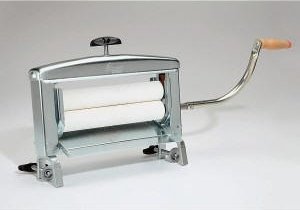
The round chaka chaka washers (so name because of the chaka chaka noise they make as they agitate the clothes) were around 2,000 pesos. Although extremely economical, I had no idea how to use one. I tried to find some information on the internet and struck out. It seemed like it would use quite a bit of water as well. Then things would be sopping wet and take forever to dry unless I invested in a wringer too. The wringer I would have to order from someplace because that sort of technology is just not available here. It might not be a bad investment, though.
The next level of washers varied considerably. There were the basic machines with dials and then there were the digital computerized washers that were quite intimidating. They even came in fashion colors! Washers at the new store Fabrics de Francia cost up to 30,000 pesos! What did it do, fly? I really only wanted a basic machine. I hurried out of the store before a salesperson could convince me otherwise.
I mentioned my shopping experience at work, and a coworker suggested I wait for Buen Fin before I bought it. In case you haven’t heard of it Buen Fin is something like Black Friday, but not really. I haven’t ever gotten a good deal during Buen Fin sales, but since it was only 2 weeks away, I decided that it wouldn’t hurt to wait a bit just in case this year would be the year I would save money. Furthermore, if the store did raise its prices to make it seem that there was a discount, well, I’d get the washer at about the same price anyway.
So I waited, mentally washing all the clothes, the towels, the blankets and the stinky, smelly jackets. When I had mentally washed all our items, I mentally washed all my father-in-law’s clothing and bedding. I plan on invading his home and taking everything for a good wash. Living in La Yacata means things often are not as clean as they could be with the limited water we have. (See After ecstasy, the laundry and Water Woes).
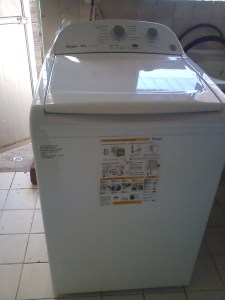
So the big day arrived. I headed to Famsa for my purchase. I checked out the other models but again found myself drawn to the same model. The price wasn’t any different from 2 weeks previously. I paid in cash with the option for store pickup because having it delivered was 120 pesos more.
The salesperson said it would be there on Monday. So we went on Monday. It wasn’t there. It seems the delivery truck broke down. So we went on Tuesday. It wasn’t there. The person who called had made a mistake and called the wrong person (us). So we went on Wednesday. After waiting 2 hours, it finally was hauled out of storage and in the back of the truck. Things in Mexico always take longer than expected.
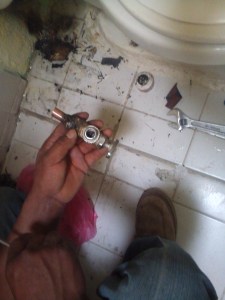
Next was the hookup. I was a bit nervous about this. The plumbing and electricity in the house are not the best. And sure enough, there were problems. My husband changed the two prong plug for a three prong plug without incident. But when he went to add an adapter to the faucet, the whole thing crumbled to bits. Fixing it required a blow torch, new copper piping, and a new valve. But it got done.
Then there was the drainage hose. First, it was connected to the sink, but the sink capacity wasn’t large enough for the waste water. So my husband drilled a hole through the wall to the pipe outside and voila, no more issues.
My first load was towels. Man, you should have seen the dirty water! My second load of laundry was towels. Just as dirty! Then some jeans. Then some uniforms. I spent the weekend happily loading the washer, unloading the washer and hanging clothes. It took me a few loads to get the hang of it. I even watched the instruction video! But now, everything comes out spic and span! I have to say, everybody is pleased with this purchase.











 Surviving Mexico